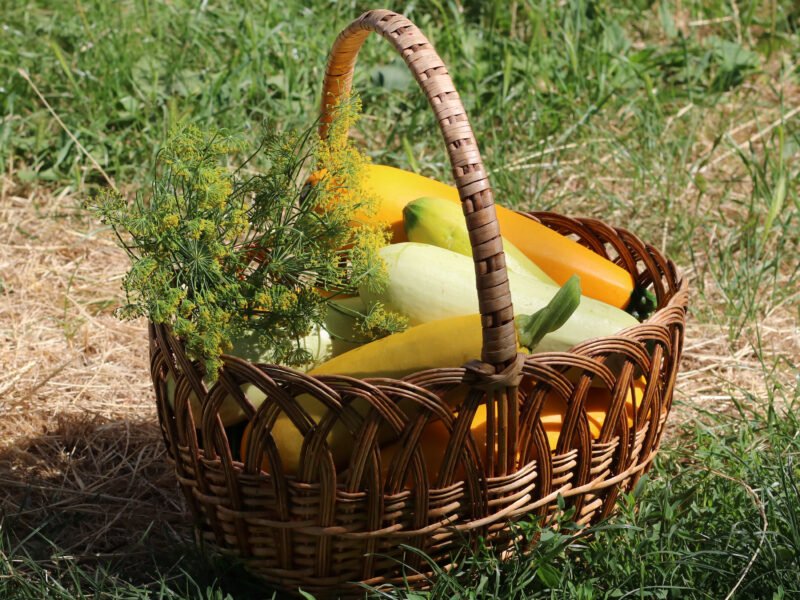
The first time someone told me a squash could turn into spaghetti, I laughed. Out loud. Right there at the farmers’ market, while the grower held up this pale yellow football of a vegetable and promised me it would shred into strands. I bought one anyway, mostly out of curiosity, and roasted it that same evening.
Reader, it shreds into strands. Real, fork-twirling strands.
Spaghetti squash is one of the best-kept secrets of the fall harvest. It’s not trying to be pasta — it’s doing its own thing — but it gives you that same cozy, twirl-the-fork satisfaction with about a quarter of the carbs and a sweet, nutty flavor that tastes like autumn itself. After a decade of growing it in our garden and feeding it to skeptical kids and adults, I’ve got the method down to a science and a short list of recipes my family asks for on repeat.
Here is everything I know about cooking spaghetti squash well, plus the recipes that actually make it dinner.
How Spaghetti Squash Becomes “Noodles”
Here’s the thing nobody told me at first: the trick is all in the cutting direction. Spaghetti squash strands grow in circles around the squash, like the rings of a tree. If you cut the squash lengthwise — the way most recipes tell you to — you’re cutting across those strands and they come out short. Cut it crosswise into rings instead, and you get long, beautiful strands that actually twirl.
Here’s my reliable method:
- Stabilize it. Cut off both ends so it sits flat, then slice it into 1-inch rings. Yes, it’s dense — use your biggest chef’s knife and take your time.
- Scoop the seeds. A grapefruit spoon works perfectly. Save the seeds if you like — they roast up just like pumpkin seeds.
- Oil and season. Rub each ring with olive oil and a good pinch of salt.
- Roast at 400°F. Lay the rings on a sheet pan and roast for 25–30 minutes, until the edges are golden and the flesh gives easily when you press it with a fork.
- Shred with a fork. Run the tines of a fork around each ring, and the strands pull apart like magic. This is the part where the kids always want to help.
That’s the entire technique. Everything below is just what to do with the golden, twirly results.
The Mistakes I Made So You Don’t Have To
Don’t overcook it. Mushy spaghetti squash is the number-one reason people decide they hate it. You want it just tender — if it looks watery, it’s overdone. Start checking at 25 minutes. The strands should be separate and slightly al dente, not a puddle.
Don’t skip the salt before roasting. The salt draws out moisture and seasons the squash from the inside out. Unsalted spaghetti squash tastes bland and watery; salted and roasted, it tastes sweet and nutty.
Don’t microwave it in a rush. I tried. The texture goes soggy and sad. The oven’s caramelization is what makes this vegetable great. It takes 30 minutes, and almost all of it is hands-off.
Size matters when buying. Look for a squash that’s heavy for its size with unblemished, hard skin. A 3–4 pound squash feeds about four people. They’re usually ready in the garden or at market from late August through October, and they store for weeks in a cool spot.
Recipe 1: Classic Garlic Butter Spaghetti Squash
This is the one that converted my mother-in-law, who arrived at our house with strong opinions about “vegetables pretending to be pasta.” She had seconds. Then thirds.
Roast one squash using the method above. While it roasts, melt 3 tablespoons of butter in a large skillet over medium heat. Add 4 minced garlic cloves and cook until fragrant and just golden — about a minute. Toss in the shredded squash strands with a pinch of red pepper flakes, the juice of half a lemon, and a handful of grated parmesan. Toss everything together in the skillet for two minutes so the flavors marry.
Finish with chopped fresh parsley and more parmesan at the table. It’s simple, it’s rich, and it tastes like the best thing that ever happened to a vegetable. Serve it as a side with roasted chicken, or add white beans or shredded rotisserie chicken to make it a full meal.
Recipe 2: Spaghetti Squash Taco Boats
This one is pure weeknight gold. Roast the squash in rings, then build the boats in a baking dish.
Brown a pound of ground turkey or beef with a chopped onion, then stir in a can of black beans, a cup of corn, a can of diced tomatoes, and two tablespoons of taco seasoning. Pile the shredded squash into the bottom of a greased 9×13 dish, spread the taco mixture over it, and top with shredded cheddar. Bake at 375°F for 20 minutes until bubbly.
Serve with sour cream, sliced jalapeños, and fresh cilantro. The kids build their own toppings, which means everybody eats it without negotiation. Leftovers reheat beautifully for lunch the next day.
Recipe 3: Creamy Pesto Chicken Spaghetti Squash
When I need something that tastes like a restaurant meal but cooks in under an hour, this is it.
Shred one roasted squash into a large bowl. In a skillet, sauté diced chicken breast in olive oil until cooked through. Lower the heat, add a cup of heavy cream and half a cup of pesto (homemade or a good jarred one), and stir until it just simmers. Fold in the squash strands and toss until everything is coated.
Top with halved cherry tomatoes, toasted pine nuts, and shaved parmesan. The pesto clings to the strands in the most satisfying way. My husband eats this straight from the bowl before I can get it to the table — consider yourself warned.
Recipe 4: Spaghetti Squash “Lasagna” Bake
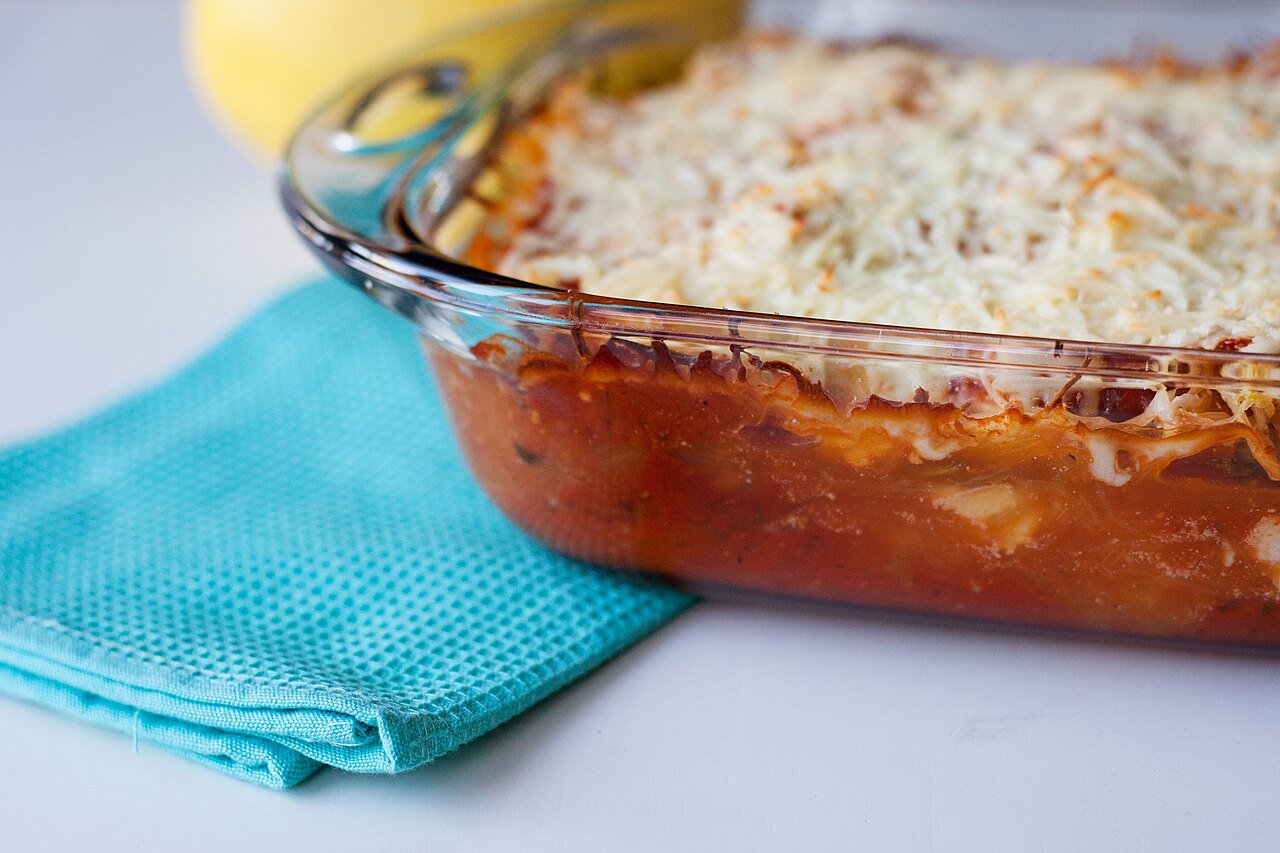
This is the one in the photo, and it’s my favorite way to feed a crowd from one big garden squash.
Roast two spaghetti squashes and shred the strands. Spread a layer of marinara in a 9×13 dish, then layer: squash, ricotta mixed with an egg and parmesan, more marinara, mozzarella. Repeat. Top with extra mozzarella and bake at 375°F for 30 minutes until golden and bubbling.
Let it rest for 10 minutes before cutting — this matters, it firms up as it cools and cuts into actual slices. It feeds eight easily, and nobody has ever once asked where the noodles went. I serve it with a big green salad and the no knead farmhouse bread we bake every week, because some nights call for the full farmhouse spread.
Recipe 5: Spaghetti Squash with Sausage and Kale
Fall in a skillet, basically. Remove the casings from a pound of sweet or hot Italian sausage and brown it in a large deep skillet, breaking it into crumbles. Add a chopped onion and cook until soft, then pile in 4 cups of chopped kale and cook until it wilts.
Fold in the shredded strands of one roasted squash and a splash of homemade chicken stock to keep everything silky. Season with salt, red pepper flakes, and a squeeze of lemon. The sausage fat coats the strands, the kale adds color and bite, and the whole thing comes together in the time the squash takes to roast. This is our go-to November dinner — hearty enough for a cold evening, light enough that you don’t need a nap after.
Storing and Freezing
Spaghetti squash is generous with leftovers, and they keep well. Roasted strands store in an airtight container in the fridge for up to 5 days — I roast a big batch on Sunday and use it all week.
For freezing, spread the cooled strands on a sheet pan, freeze until firm, then transfer to freezer bags with the air pressed out. They’ll keep for 3 months. Thaw overnight in the fridge and give them a quick reheat in a skillet — never the microwave — to drive off the extra moisture. The texture after freezing is a touch softer, so frozen strands are best in baked recipes like the lasagna, not as a standalone side.
What to Grow Next Year
If you’ve got garden space, spaghetti squash is one of the easiest winter squashes to grow. One vine takes up real estate — give it a 4×4 foot hill or let it sprawl along a fence — and it rewards you with 4–6 fruits per plant with almost no fuss. I plant seeds directly in the ground after the last frost and then basically ignore them except for watering during dry spells.
Harvest when the rind is hard enough that your fingernail can’t dent it, and let the squash cure in the sun for a week before storing. Stored in a cool spot, they’ll keep for 2–3 months, which means the squash you pick in September becomes December dinners. It pairs beautifully with the fall pumpkin baking recipes we make every October — between the two, the garden feeds our table deep into winter.
Quick Recap
Slice your squash into rings for long strands, roast at 400°F until just tender, and don’t walk away from the oven during the last five minutes. From there, garlic butter, taco boats, pesto chicken, lasagna bake, or sausage and kale — you can’t really go wrong.
If you’ve never tried spaghetti squash, start with the garlic butter version tonight. Then come tell me I was right about the strands.