The first soup of fall is an event in our house, not just a dinner. It usually happens on the first evening when I come in from chores and my hands are actually cold — not cool, cold — and the light is already going at six. I put the big pot on the stove, and something in the whole house relaxes.
Soup season runs from that night until spring in our kitchen. We make soup when we have too many vegetables, when someone is sick, when friends drop by, and when the week has been long and nobody wants a complicated dinner. These seven fall soup recipes are the ones we come back to every single year, and every one of them has earned its place.
What Makes a Good Fall Soup
Before the recipes, a word about what separates a great fall soup from a thin, sad one. It is not expensive ingredients. It is three things: a good base, proper seasoning, and time.
The base matters most. Soup made with water tastes like soup made with water. Soup made with real stock tastes like someone cared. Our homemade chicken stock is the foundation of most of these recipes, and I keep quarts of it in the freezer all autumn for exactly this purpose.
Season in layers. Salt at the beginning, taste in the middle, adjust at the end. A soup that is seasoned only at the finish always tastes like it is wearing someone else’s clothes.
Give it time. Even a quick soup benefits from twenty unhurried minutes. Flavors need a little time to get acquainted, and vegetables need time to give up their sweetness to the pot.
1. Silky Pumpkin Soup
Pumpkin soup is the soup that announces fall in our house, and it is far simpler than people expect. I roast a sugar pumpkin (or use canned pumpkin purée when the garden is done — no shame in it), then blend it with softened onion, garlic, stock, and a splash of cream.
The difference between good pumpkin soup and great pumpkin soup is the roasting. Roasted pumpkin is sweet and deep; boiled pumpkin is flat and watery. If you have forty minutes, roast it. If you do not, canned purée and a good pinch of nutmeg will still make a lovely soup.
Finish it right. A swirl of cream, a handful of toasted pumpkin seeds, and a piece of crusty bread turn a simple soup into a meal worth sitting down for. Our no knead farmhouse bread is the loaf that goes with this soup in our house, every time.
2. Hearty Vegetable Soup (The Clean-Out-the-Garden Soup)
This is the soup that saves the garden at the end of the season. When the first frost is coming and there are still carrots, potatoes, green beans, zucchini, and tomatoes out there, they all go into the pot.
There is no strict recipe, and that is the point. I start with onion, carrot, and celery in olive oil, add garlic, then whatever vegetables need using, plus stock, a can of tomatoes, and a handful of beans or small pasta. An hour later, dinner is done, and the garden is not wasted.
The rule for clean-out soup: hard vegetables go in early, tender ones go in late. Potatoes and carrots need the full hour. Zucchini and green beans need twenty minutes. Pasta needs the last fifteen. Follow that order and nothing turns to mush.
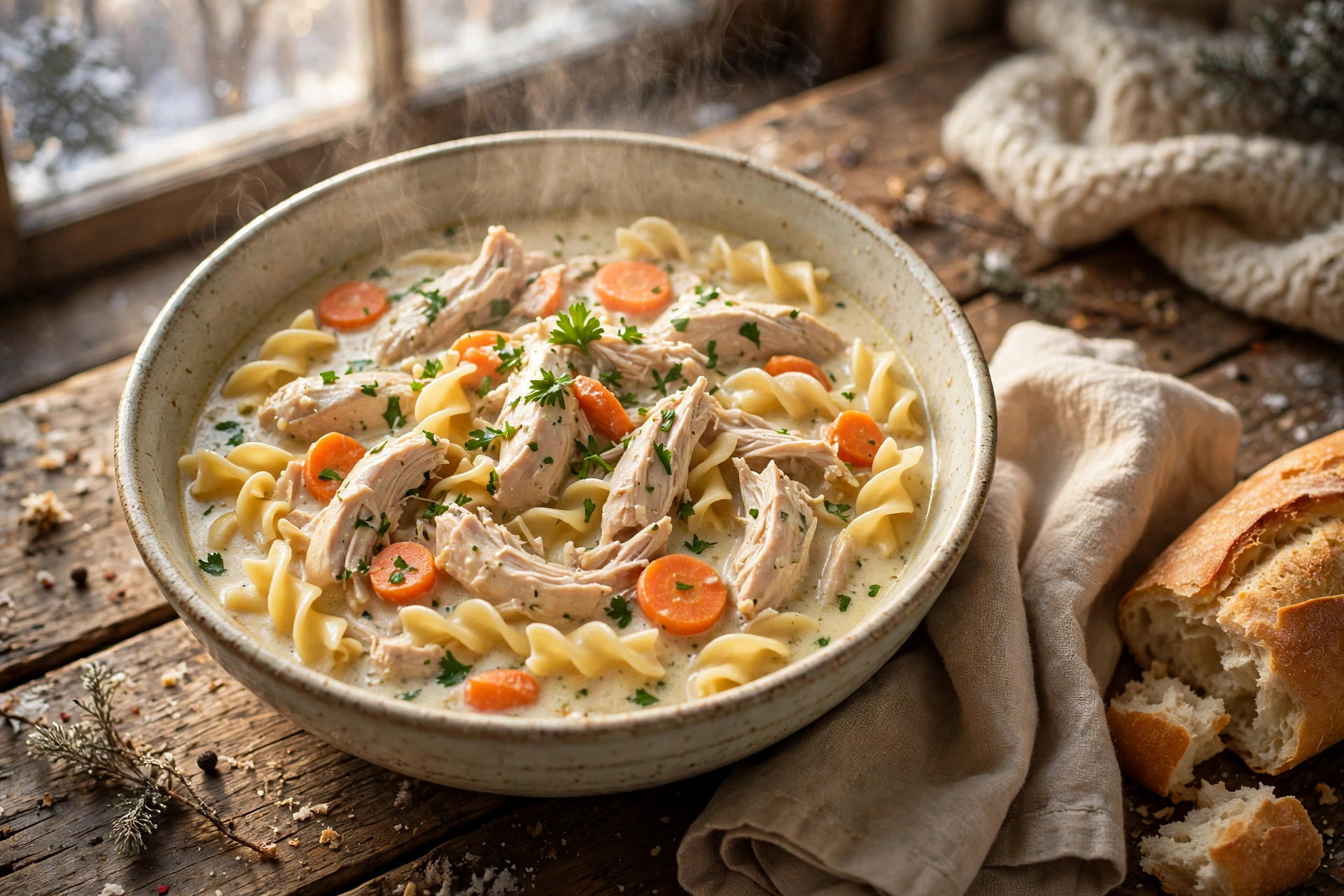
3. Chicken Noodle, the Real Way
Everyone has a chicken noodle recipe, and most of them are fine. Ours is the version made from an actual chicken simmered in the pot, not from a carton and a packet, and the difference is not subtle.
I simmer a whole chicken with carrots, onions, celery, and a bay leaf until the meat falls off the bone. The meat gets picked and set aside, the stock gets strained, and then the vegetables go back in with egg noodles for the last stretch. The noodles cook in the stock, which means they absorb flavor instead of just getting hot.
Cook the noodles in the soup, not separately. It is one less pot, and the starch from the noodles thickens the broth slightly, which is exactly what you want on a cold night.
4. Creamy Potato Soup
Potato soup is the quiet hero of our fall kitchen. It costs almost nothing, it feeds everyone, and it is ready in under an hour. Potatoes, onion, and garlic simmered in stock, mashed roughly in the pot (never fully smooth — you want some texture), finished with cream and butter.
Toppings are where potato soup becomes a meal: crumbled bacon, shredded cheddar, chopped chives, a spoonful of sour cream. Set them out in little bowls and let everyone build their own, and suddenly the simplest soup in the book feels like an event.
Do not boil potato soup hard after the cream goes in. A gentle simmer keeps it silky. A hard boil can make it grainy, and there is no fixing grainy.
5. Butternut Squash Soup With Apple
This is the soup I make when the butternut squash are piled up on the porch and the apples are coming in faster than we can eat them. Squash and apple are a natural pair — the apple brightens the squash’s sweetness in a way that salt alone cannot.
I roast the squash, soften an onion and a chopped apple in butter, add stock and the squash, and blend it all smooth. A pinch of cinnamon or a little curry powder, depending on the mood of the day, and a swirl of cream at the end.
It is elegant enough for company and easy enough for a Tuesday, which is a rare combination. I serve it as a first course at our fall gatherings, and it disappears before the main dish is even ready.
6. White Bean and Sausage Soup
When the air turns sharp and the work gets heavy, we need soup with real substance, and white bean and sausage soup is the answer. It is the kind of soup that sticks to your ribs in the best way.
I brown Italian sausage (sweet or hot, depending on who is eating), soften onion, carrot, and celery in the same pot, add white beans, stock, and a handful of greens — kale or spinach — at the end. A parmesan rind simmered in the pot, if you have one saved, adds a depth that is hard to describe and easy to love.
Save your parmesan rinds. Tucked in the freezer, they are free flavor for soup, and this is the soup that uses them best.
7. Tomato Soup (For Grilled Cheese Night)
Tomato soup in fall is not a compromise — it is a tradition. Grilled cheese night happens at least once a week in our house from October on, and tomato soup is its partner.
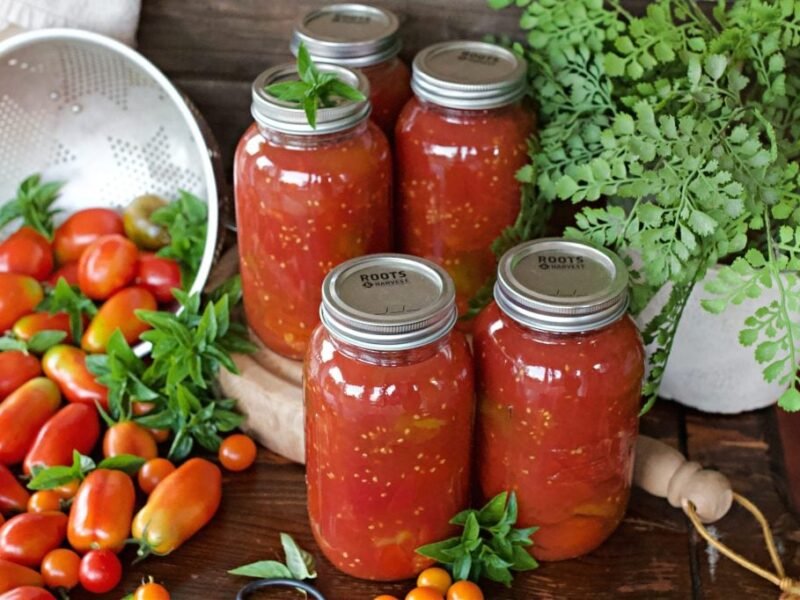
My version starts with canned tomatoes (fall tomatoes from the garden are wonderful, but canned are consistent and honestly better for soup), onion, garlic, and a little butter. I blend it smooth, add a splash of cream, and season it until it tastes like summer remembered fondly.
The secret is a pinch of sugar and a good pinch of salt, balanced against each other. Tomatoes need both. Taste, adjust, taste again. When it is right, you will know immediately.
Soup Night, Done Right
A few things I have learned about making soup a habit rather than an occasion:
- Make a double batch. Almost every soup on this list freezes beautifully. Freeze in quart containers, label them, and future-you will be grateful on the busiest night of the week.
- Bread is not optional. Soup without bread is a snack. Soup with bread is dinner. Bake a loaf, or buy a good one, but do not skip it.
- A soup night needs a rhythm. In our house, Sunday is soup-making day. The pot goes on after lunch, and by evening there is dinner plus two containers for the freezer.
- Let people top their own. Bacon, cheese, herbs, hot sauce, a swirl of cream — toppings turn one soup into five different dinners, and nobody complains.
For more autumn cooking in the same spirit, our fall pumpkin baking recipes collection is full of pumpkin bakes that pair perfectly with a soup supper, and a pot of soup followed by something sweet from the oven is about as good as fall evenings get.
Freezing Soup Without Regret
Soup is one of the best things you can freeze, but a few rules keep it tasting fresh:
- Cool it completely before freezing. Hot soup in a container makes ice crystals and sad texture.
- Leave headspace. Soup expands as it freezes. Leave an inch at the top or you will be cleaning the freezer.
- Skip the cream until serving day. Dairy soups freeze fine, but they reheat smoother if you add the cream fresh. Freeze the base, finish it when you serve it.
- Noodles and pasta do not freeze well in soup. They go soft. If you plan to freeze a noodle soup, freeze the broth and vegetables, and cook fresh noodles when you reheat.
Quick Recap
Seven soups, one pot, all autumn long. Start with pumpkin when the first cold night arrives, clean out the garden into vegetable soup, and keep the freezer stocked with quarts for the nights when cooking feels like too much.
Soup season is the best season. Put the pot on, and let the house smell like fall.