The first Friendsgiving I ever hosted was an accident. A few friends could not make it home for Thanksgiving that year, and somebody said, half-joking, “Well, we will just have our own.” So we did. I roasted a chicken instead of a turkey, somebody brought a crooked sweet potato casserole, and we ate at a table that was too small for all of us, elbows bumping, laughing at nothing. It was one of the best meals of my life.
That is the whole secret of Friendsgiving: it is Thanksgiving without the pressure. Nobody is grading your gravy. There is no family history sitting at the table. It is just your people, a warm kitchen, and food that tastes like somebody cared. And because the guest list is smaller and the mood is looser, the food can be simpler, braver, and a lot more fun.
Over the years, our Friendsgiving has become a real tradition. The menu changes a little every time, but the shape of it stays the same — one generous main, three or four sides that actually get eaten, something sweet, and at least one dish somebody else brings. Here are the friendsgiving recipes that have earned a permanent place at our table, and the hosting lessons I learned the clumsy way.
Start With the Main: Pick One, Make It Generous
The biggest mistake new Friendsgiving hosts make is trying to cook a full Thanksgiving spread for eight people. You do not need a turkey, a ham, and a roast. You need one main dish, made well, with plenty to go around.
Our go-to is a roast chicken, or two of them, because a chicken roasts faster than a turkey, stays juicy, and feels generous without feeding an army. I brine ours overnight in salt water with a handful of herbs from the garden, then roast it hot with butter, garlic, and lemon until the skin crackles. A roast chicken on a platter, surrounded by the roasted vegetables from the pan, looks like a feast all on its own. If your crowd is bigger, roast two chickens side by side — it is still easier than one turkey, and the leftovers make the best sandwiches the next day.
If chicken is not your crowd’s thing, a slow-cooker pulled pork shoulder is the most forgiving main I know. It cooks all day with almost no attention, feeds a crowd for pennies, and everybody can build their own plate. Our crockpot chicken recipes fall collection has the same low-effort idea in chicken form, and the easy crockpot dump dinners approach works beautifully for a Friendsgiving main too — load the cooker in the morning, and by suppertime dinner is done.
📌 Pin this: Whatever main you choose, make 25 percent more than you think you need. Friendsgiving guests always eat more than Thanksgiving guests, because they are relaxed — and leftovers are a gift, not a problem.
The Sides That Actually Disappear
Every table has the same story: two sides get demolished, one gets politely ignored, and somebody takes home the leftovers of the fourth. After years of watching, I can tell you which sides disappear first at a Friendsgiving.
Creamy mashed potatoes are non-negotiable. I make them with butter, warm milk, and a spoonful of cream cheese, and I never apologize for how rich they are. Potatoes are cheap, they feed everybody, and nobody has ever complained about too much mashed potato. Make them in the slow cooker if your stove is crowded — they hold beautifully on warm for an hour.
Roasted vegetables beat a fussy casserole every time. A big sheet pan of carrots, Brussels sprouts, and sweet potatoes with olive oil, salt, and a drizzle of honey at the end is the side people actually reach for twice. It is colorful, it is simple, and it roasts in the same oven as the chicken.
A proper stuffing is the third pillar. I make mine with day-old bread, celery, onion, sage, and plenty of butter, baked in a dish so the top goes crisp. If you want a recipe that never fails, the stuffing from our Thanksgiving table works exactly the same at Friendsgiving — and if you are still deciding, our homemade chicken stock makes any stuffing taste like it simmered all day.
Something fresh keeps the meal from feeling heavy. A simple salad — greens, sliced apple, toasted walnuts, and a sharp vinaigrette — is the plate people thank you for an hour later, when the richness catches up with them. It takes five minutes and it balances the whole table.
The Dish Everybody Brings (and How to Organize It)
Friendsgiving works best as a potluck, and the fastest way to ruin a potluck is to let five people all bring dessert. I learned to assign categories, not recipes. One person brings a side, one brings a salad, one brings bread, one brings dessert, one brings drinks. Nobody is told exactly what to cook — they bring their best version of their category, and the table ends up varied instead of duplicated.
I keep a simple note on the fridge with who is bringing what, and I text a gentle reminder two days before. That is the whole system. If somebody asks what they can bring and you have every category covered, the honest answer is ice, or a baguette, or a bottle of something sparkling. There is always room for bread.
One rule I hold firm: the host makes the main and the mashed potatoes. Everything else can be delegated. That keeps my kitchen sane and guarantees the two dishes that matter most are the ones I control.
Dessert: One Showstopper, One Easy Backup
Dessert at Friendsgiving should be the easiest course, not the hardest. I make one dessert that looks impressive and one that is dead simple, and that is plenty.
The showstopper is usually a pumpkin pie or an apple crisp, served warm with whipped cream. An apple crisp is my honest favorite for a friends’ table — it is forgiving, it smells like November while it bakes, and it is nearly impossible to mess up. If you are short on time, our fall pumpkin baking recipes has pumpkin desserts that work just as well at a Friendsgiving as they do at Thanksgiving.
The backup is a pan of brownies or a plate of cookies, made the day before. Somebody always wants something chocolate after the pie, and having it ready means I am not baking at midnight. Brownies also travel well, which matters, because somebody always asks to take a few home.
📌 Pin this: Bake your dessert the day before whenever you can. A pie or crisp that has rested overnight slices cleanly, and your oven is free on the day for the main event.
Drinks, Music, and the Table Itself
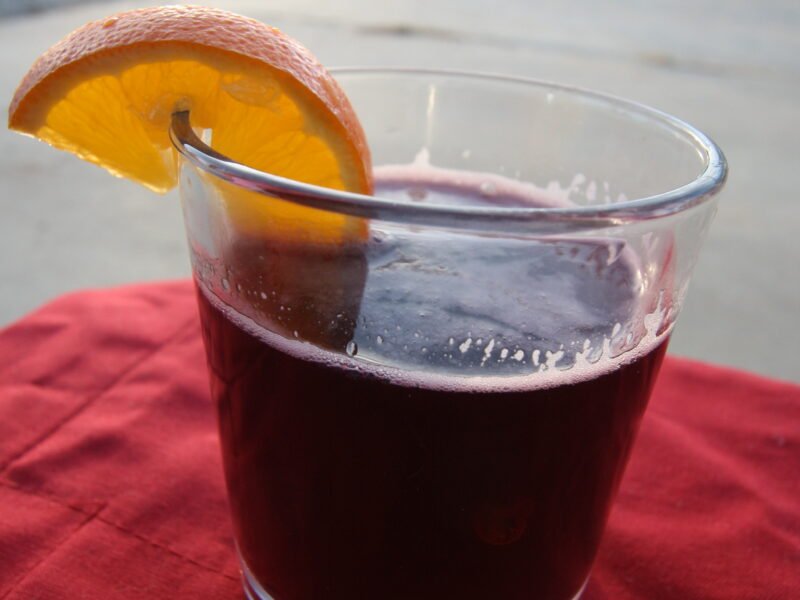
The food gets the attention, but the little things are what make the evening feel like a celebration instead of a dinner party. I set out a big pitcher of spiced apple cider — the non-alcoholic kind, with cinnamon sticks floating in it — and a pot of coffee for later. One signature drink, made in a batch, beats a shelf full of bottles nobody opens.
Music goes on before the first guest arrives, low enough to talk over. I put out a playlist of the songs we all grew up with, and by dessert somebody is always singing along. It sounds silly until it happens, and then it is the best part of the night.
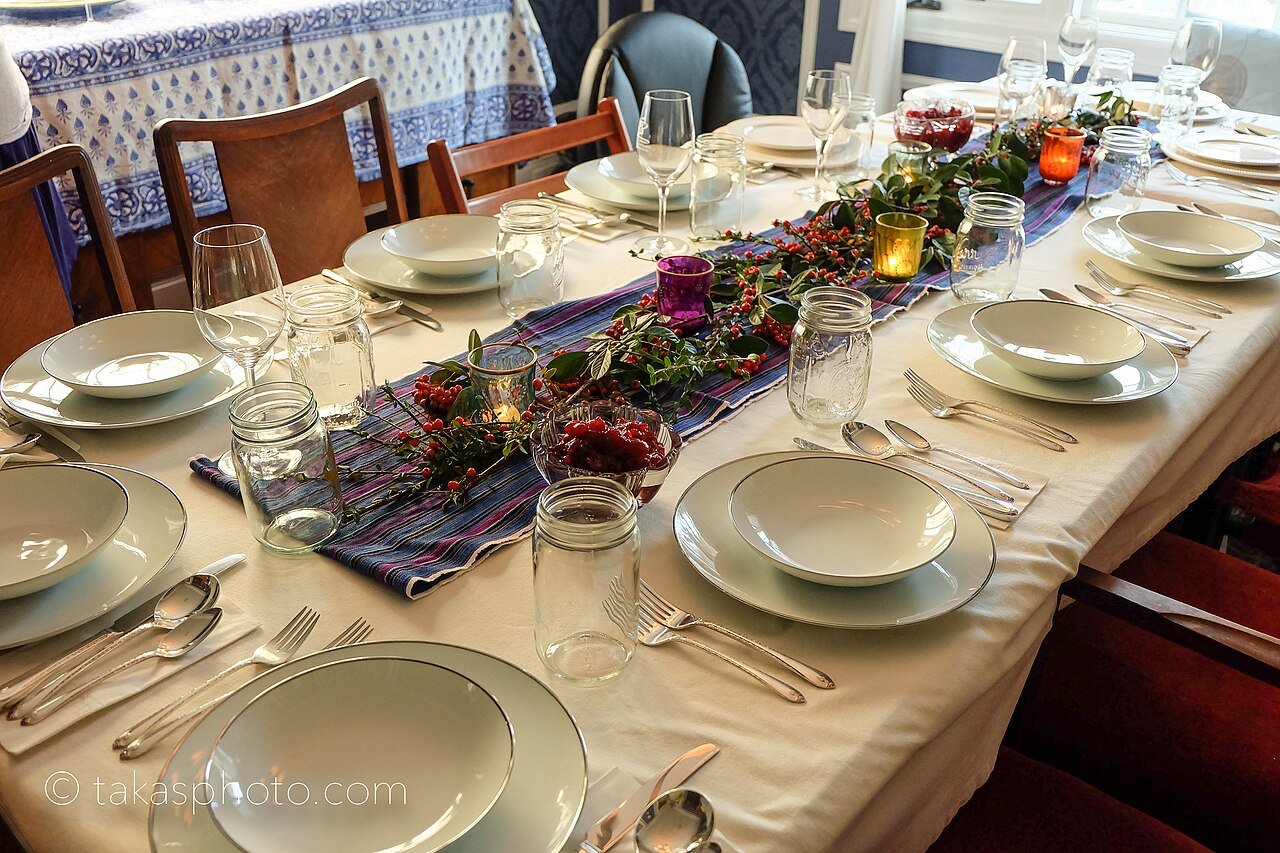
The table does not need to be fancy. A clean cloth, a few jars of dried herbs or a bowl of small pumpkins from the garden down the center, and mismatched plates are exactly right. Friendsgiving is the one meal where a perfect table would feel wrong. Warm, crowded, and a little bit chaotic is the whole point.
Timing It So You Actually Enjoy Your Own Party
Here is the schedule I use, and it has saved my sanity more than once:
Two days before: Make the dessert, buy the groceries, and confirm who is bringing what. Chill the cider ingredients.
The day before: Brine the chicken if you are brining, make the stuffing base, peel the potatoes and keep them in cold water, set the table. Wash the good plates.
The morning of: Chicken goes in the oven or the cooker. Potatoes go on. Vegetables get cut and oiled, ready for their sheet pan.
One hour before guests arrive: Vegetables go in the oven. Salad gets dressed at the last minute, never before. The cider goes on the stove to warm. Music on, apron off, a quick change into something that does not smell like roast chicken.
When guests arrive: Hand them a drink, point them at the appetizers, and stop cooking for ten minutes. The food will wait. Your friends came to see you, not to watch you stir a pot.
Leftovers, Thank-Yous, and Next Year
The best part of Friendsgiving is the morning after, when the fridge is full of little containers and the kitchen smells faintly of cinnamon. I pack leftovers for everybody before they leave — a little of everything, in containers they do not have to return. It is the oldest farmhouse rule I know: nobody leaves my table empty-handed.
And then I write down what worked. Which dish disappeared first, which one came home untouched, what time the chicken actually finished, how many chairs we really needed. That note goes in the recipe box, and next November I pull it out and the whole thing is easier. Traditions are not built in a day. They are built one slightly chaotic, wonderful meal at a time.
Quick Recap
Friendsgiving is Thanksgiving without the pressure: one generous main, three or four sides that people actually eat, one dessert you bake the day before, and a potluck system where everybody brings a category, not a duplicate. Keep the table warm and a little chaotic, the music low, and the cider hot. That is the whole recipe.
Your turn: What is the one dish your friends always ask you to bring? Ours is the mashed potatoes, and I have stopped pretending I mind making them.