Every year, about two weeks before Thanksgiving, I sit down at the kitchen table with a mug of coffee and a blank piece of paper, and I plan our menu. Not because I love paperwork, but because I learned the hard way what happens when I do not. One year I forgot the cranberry sauce entirely. Another year I made four different potato dishes and no green vegetable. And once, memorably, I had the turkey ready at noon and everything else ready at four.
A good Thanksgiving menu is not about cooking more food. It is about choosing the right dishes, in the right amounts, in an order that lets you actually enjoy the day. This is the plan I use now, and it has carried us through big family gatherings and quiet years alike.
In this guide, I will walk you through the full shape of a Thanksgiving menu, from appetizers to dessert, with a cooking timeline that keeps the oven from becoming a battleground and a few honest notes about what is worth making from scratch and what is not.
Start With the Shape of the Day
Before I pick a single recipe, I sketch the shape of the meal. A Thanksgiving menu has a rhythm to it, and when you respect the rhythm, everything else falls into place.
Here is the shape we follow:
- Something to nibble on while people arrive and the turkey finishes
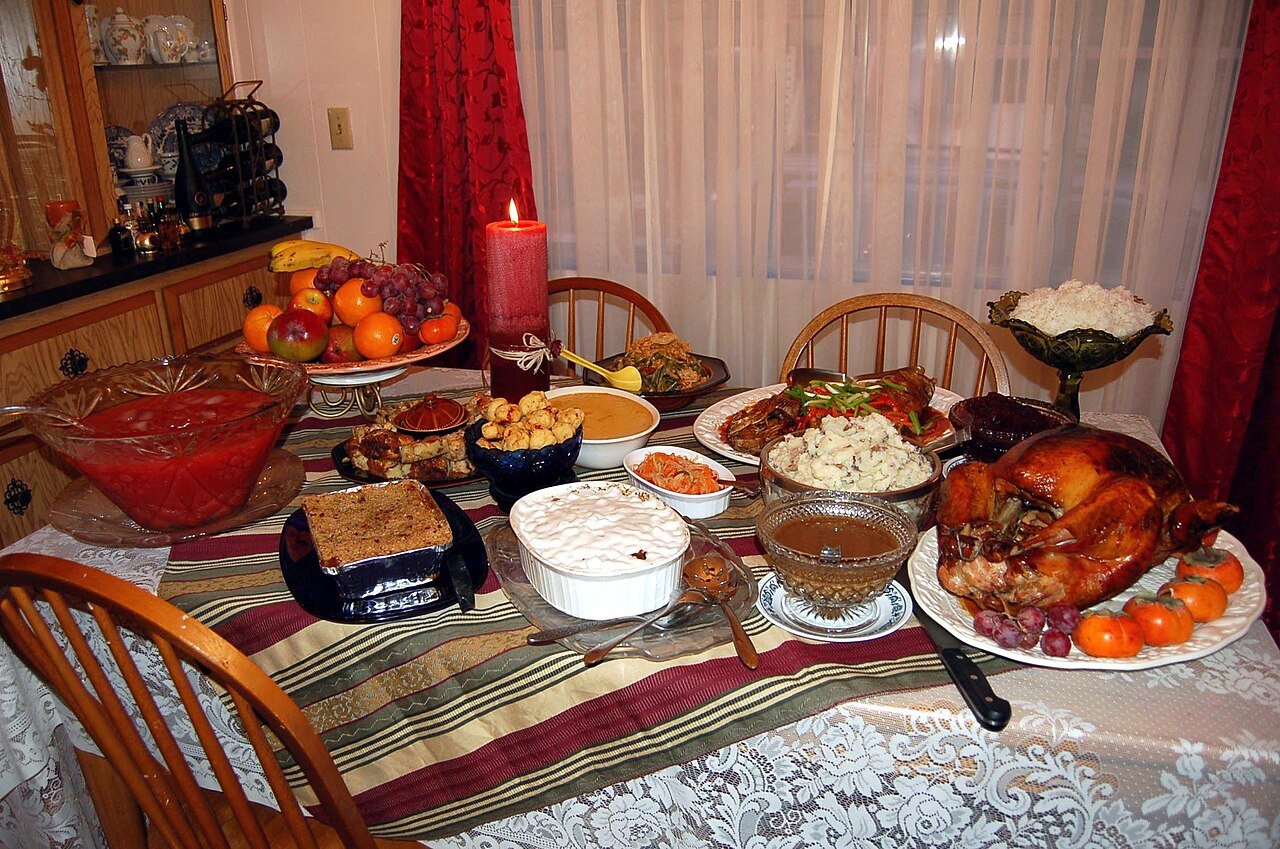
- The main plate: turkey, gravy, stuffing, and two or three sides
- Something fresh and bright to cut through all that richness
- Bread on the table, because it is Thanksgiving
- Dessert and coffee after a proper pause
That is it. You do not need seven side dishes. You need the right four or five, made well, with enough variety that everyone finds something they love. When I stopped trying to cook every dish I had ever seen on a food blog, Thanksgiving got better overnight.
I also decide early who is bringing what. If your sister makes a wonderful pie, let her bring the pie. A menu is a team plan, not a solo performance, and the fastest way to a relaxed day is to hand out assignments before the week gets busy.
The Main Event: Choosing Your Turkey Approach
The turkey is the centerpiece, and it is also the part that causes the most worry. Here is what I have learned after years of doing this: pick one approach, commit to it, and stop second-guessing yourself on the morning of.
A classic roast turkey is the simplest choice and the one most of us grew up with. Season it well, roast it until the thigh reads done, and let it rest before carving. Resting matters more than any fancy technique. A turkey that rests for twenty to thirty minutes is juicier and far easier to carve than one rushed straight from the oven to the table.
If you are feeding a smaller group, a turkey breast is a perfectly respectable main dish. It cooks faster, there is less waste, and you still get the roast-turkey smell filling the house all afternoon. Our family has done a breast-only year more than once, and nobody complained.
Whatever you choose, save the carcass. The best part of a Thanksgiving turkey, in my opinion, is the pot of stock it becomes the next day. If you have never made stock from a leftover carcass, our homemade chicken stock guide walks through the same gentle simmering method, and it works beautifully for turkey bones too.
📌 Pin this: Let the turkey rest 20 to 30 minutes before carving, tented loosely with foil. The juices settle back into the meat, and you get a calm window to finish the gravy and get the sides on the table.
Sides That Earn Their Place
Sides are where Thanksgiving menus usually go wrong, because it is tempting to say yes to every dish someone suggests. I use a simple test now: every side has to earn its place by being different from the others in flavor, texture, or color.
Here is the combination that works for us, year after year:
- Mashed potatoes with gravy. Non-negotiable in this house. Make them with plenty of butter and warm milk, and keep them warm in a slow cooker if the oven is full.
- Stuffing or dressing. Cooked inside the bird or in a baking dish, whichever your family prefers. This is the dish people argue about, so make the version your people actually love.
- One green vegetable. Roasted green beans, Brussels sprouts, or a simple salad. Something green and a little crisp to balance the rich food.
- One sweet vegetable. Roasted sweet potatoes or a squash dish. Sweet and savory together is what Thanksgiving tastes like.
- Cranberry sauce. Homemade takes ten minutes and tastes nothing like the canned kind. If someone in your family insists on the canned rings, put both on the table. Peace is worth the extra dish.
That is five sides, and it is plenty. If a guest wants to bring one more, let them, but do not add a sixth dish to your own cooking list. Your oven has limits, and so do you.
For the sweet side of the meal, our fall pumpkin baking recipes collection has the pumpkin dishes that round out a Thanksgiving table, from classic pie to the baked treats that disappear before coffee is poured.
Appetizers and Drinks to Keep Everyone Happy
People arrive hungry, and the turkey will not be ready for hours. A small spread of appetizers keeps everyone happy and, just as importantly, keeps them out of the kitchen while you work.
I keep appetizers simple on Thanksgiving. A cheese board with crackers and fruit. A bowl of mixed nuts. Maybe a warm dip if I have a spare slow cooker. Nothing that needs the oven, because the oven belongs to the turkey and the stuffing.
Drinks are the same story. Put out a pitcher of something festive, like spiced cider or a simple punch, plus water and whatever else your family drinks. Set it up away from the cooking area so guests serve themselves. A self-serve drink station is one of the best hosting decisions I ever made.
If you want a homemade touch without extra work, a loaf of fresh bread on the appetizer table does double duty. Our no knead farmhouse bread is the recipe I make the day before Thanksgiving, and the smell of it alone makes the house feel like a holiday.
Dessert Without the Stress
Dessert is the easiest part of the menu to overcomplicate, and the easiest to simplify. Most families need two desserts, not five: one pumpkin pie and one other thing, usually an apple or pecan pie, or a simple cake.
Here is my rule for dessert: make one, buy or accept one. If you love baking pie, make the pumpkin pie from scratch and let someone else bring the second dessert. If baking is not your thing, buy a good bakery pie and spend your energy on the main meal instead. Nobody at the table is grading your pie crust.
Serve dessert after a real break. Clear the dinner plates, let people stretch their legs, put the coffee on, and then bring out the pie. The pause is part of the meal. Some of our best Thanksgiving conversations have happened in that gap between dinner and dessert.
A Timeline That Actually Works
A menu is only half the plan. The other half is timing, and this is the part that saves the day. Here is the timeline I follow, and I keep it taped inside a kitchen cabinet every November.
The week before: Finalize the menu. Shop for everything that keeps: canned goods, frozen items, butter, flour, spices. Confirm who is bringing what.
Two days before: Make the cranberry sauce, which keeps beautifully in the fridge. Bake the bread if you are making it. Set the table if you have the space, so the morning is not a scramble.
The day before: Make the pie, or at least the pie dough. Prep the vegetables: peel and chop the potatoes and store them in water, trim the green beans, dice the onions and celery for the stuffing. Mix the stuffing ingredients, but do not bake them yet.
Thanksgiving morning: Get the turkey in the oven first, as early as your recipe calls for. While it roasts, make the mashed potatoes and keep them warm. Assemble the stuffing and bake it during the last hour. Make the gravy while the turkey rests.
Thirty minutes before eating: Everything comes out of the oven. The turkey is carved, the sides are in their serving dishes, the gravy is in its boat, and you can take a breath before sitting down.
The secret to the whole timeline is doing the prep work the day before. Thanksgiving morning should feel calm, not frantic. If you are chopping onions at ten in the morning, something went wrong the day before.
📌 Pin this: Prep every vegetable the day before Thanksgiving and store them in water or covered containers in the fridge. Morning-of should be assembly and roasting, not chopping.
Feeding a Small Crowd, or a Big One
Not every Thanksgiving is a table of twelve. Some years it is just four of us, and some years the cousins bring friends and we are feeding twenty. The menu shape stays the same, but the quantities change.
For a small group, shrink the menu, not the spirit of it. One turkey breast, one potato dish, one green vegetable, stuffing, cranberry sauce, and a single pie. You still get the full Thanksgiving feeling without a week of leftovers.
For a big group, the trick is not cooking more dishes, it is cooking bigger batches of the same dishes and letting guests bring the extras. A second turkey breast alongside the whole bird feeds a crowd without doubling your work. A double batch of mashed potatoes in a slow cooker is easier than a second fancy side.
And whatever the size of your table, plan for leftovers on purpose. Leftover turkey is the gift that keeps giving: sandwiches, soup, and a pot of stock that tastes like the holiday all over again.
A Quick Recap
A good Thanksgiving menu is a plan, not a performance. Sketch the shape of the meal, pick one turkey approach and commit to it, choose four or five sides that are different from each other, keep the appetizers simple, and let dessert be two things done well. Do your prep the day before, follow a calm timeline, and give yourself the gift of actually sitting down to enjoy it.
Your turn: what is the one dish your Thanksgiving menu is not complete without? In our house it is the stuffing, and I would love to hear what it is in yours. Build your menu around the dishes your people love, and the rest will take care of itself.