The first Thanksgiving I hosted for just our little household, I bought a whole turkey out of habit. It took up the entire oven, it took all day, and we ate turkey for a week. The next year, I bought a bone-in turkey breast instead, and I have never looked back. A roast turkey breast gives you everything people actually want from Thanksgiving turkey — crisp golden skin, juicy slices, and that first-carve ceremony — in half the time and a fraction of the fridge space.
Turkey breast recipes are also the kindest option for a small table. They feed four to eight people generously, they leave you leftovers without burying you in them, and they free up oven space for the sides that make the meal. If you are hosting a small Thanksgiving, a Friendsgiving, or a Sunday dinner that deserves a little ceremony, this is your bird.
1. The Classic Roast Turkey Breast
Start with a bone-in, skin-on breast if you can find one. The bone keeps the meat juicy and makes carving easier, and the skin is what turns golden and crisp. Pat the breast very dry with paper towels — dry skin is the whole secret to crisp skin — then rub it all over with softened butter, salt, pepper, and a little garlic and thyme.
Roast at a high temperature to start, around 425 degrees, for twenty minutes to crisp the skin, then lower the heat to 325 and cook until a thermometer in the thickest part reads 155 degrees. The temperature will climb to a safe 165 as it rests, and that rest is not optional. Rest the breast for at least twenty minutes before carving, tented loosely with foil, and the juices redistribute instead of running out onto the board.
Use a thermometer, not a clock. Ovens lie, breasts vary in size, and the difference between juicy and dry is about ten degrees. A ten-dollar thermometer is the best Thanksgiving purchase you will ever make, and it turns a nervous cook into a confident one.
2. Brined Turkey Breast for Maximum Juiciness
If you have ever eaten dry turkey and sworn you would never host again, brining is your answer. A simple brine — water, salt, a little sugar, and whatever aromatics you like, such as bay leaves, peppercorns, and orange peel — left overnight transforms the meat. The salt seasons it all the way through and helps it hold onto moisture in the oven.
A breast brines faster than a whole bird, which is another point in its favor. Eight to twelve hours is plenty. Any longer and the texture can turn spongy, so do not leave it for two days because you forgot about it. Rinse it, pat it very dry, and roast as usual, but skip extra salt in the butter rub — the brine already did that job.
3. Herb Butter Turkey Breast
This is my favorite version for a dinner party, because the herb butter does double duty: it flavors the meat and it makes a pan sauce that tastes like you worked much harder than you did. Mash softened butter with minced garlic, fresh thyme, rosemary, sage, and lemon zest, then work half of it gently under the skin and rub the rest on top.
The butter under the skin bastes the meat from the inside as it roasts, and the herbs perfume the whole kitchen. Save the pan drippings after roasting, skim off the fat, and whisk in a splash of our homemade chicken stock to make a quick gravy. It takes five minutes and it tastes like the whole meal was planned around it.
If fresh herbs are scarce, dried herbs work — use about a third of the amount. And if you have a garden, this is the dish that justifies keeping thyme and sage alive through the cold months.
4. Slow Cooker Turkey Breast
Some days, the oven is full and the cook is tired, and that is exactly when the slow cooker earns its place on the counter. A boneless turkey breast fits neatly in a slow cooker, cooks on low in about six hours, and comes out so tender it practically slices itself.
The trade-off is the skin, which will not crisp in a slow cooker. If crisp skin matters to you, transfer the cooked breast to a hot oven or under the broiler for ten minutes at the end. It is a small extra step for a big payoff, and the meat stays juicy underneath.
This is also the version I recommend for a weeknight holiday meal, when you want turkey on a Tuesday and you do not want to spend the evening watching an oven. Set it in the morning, come home to a house that smells like Thanksgiving, and dinner is nearly done.
5. Smoked Turkey Breast
If someone in your house has a smoker, a turkey breast is the perfect thing to put on it. It smokes in three to four hours instead of all day, it takes on a beautiful mahogany color, and the smoky flavor pairs with every traditional side on the table.
Keep the smoker around 250 degrees, use a mild wood like apple or cherry, and pull the breast at the same 155 degrees you would use in the oven. Let it rest before slicing, and slice it a little thicker than oven-roasted turkey — smoked meat is firmer, and a thick slice shows off that pink smoke ring.
6. Carving and Leftovers
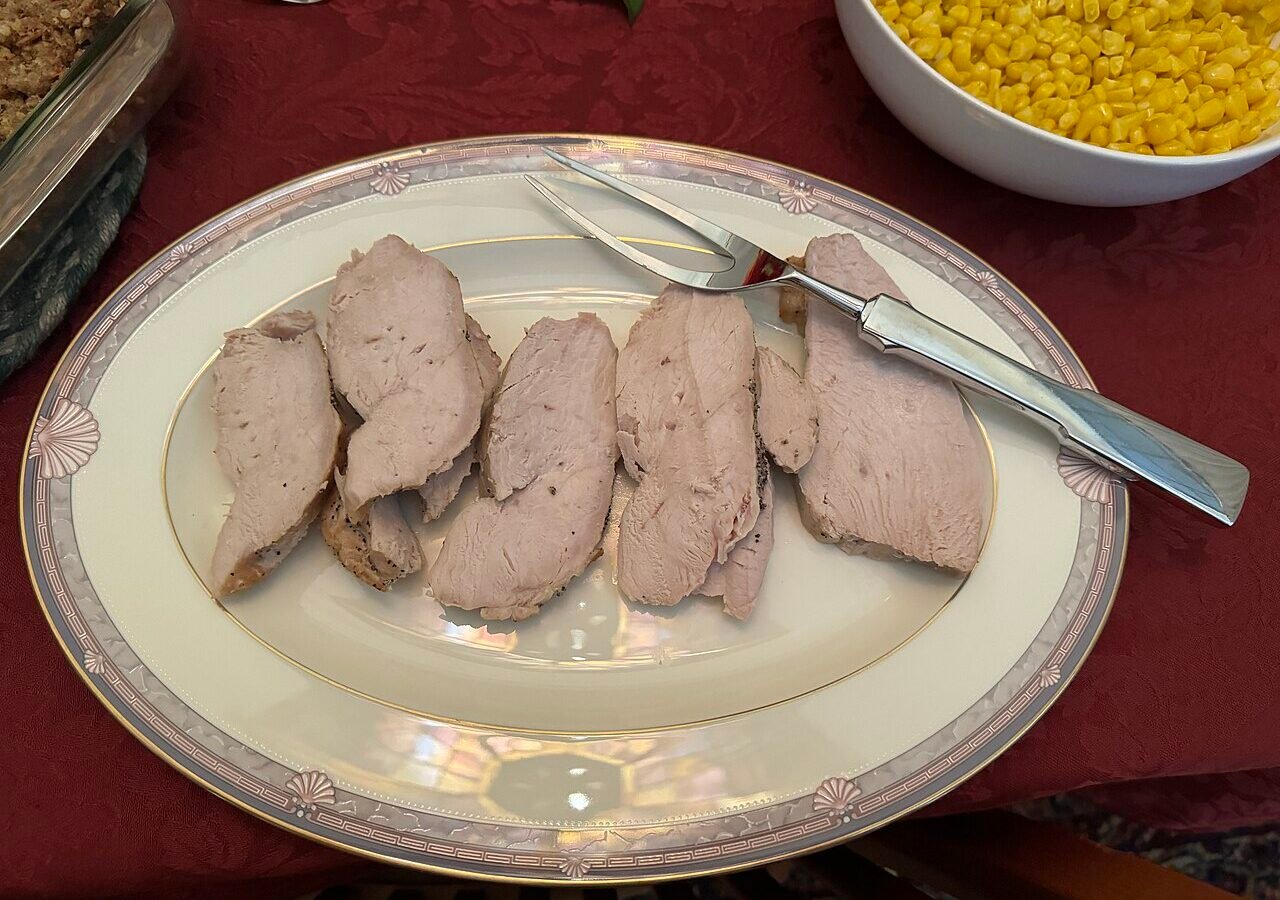
Carving a breast is simpler than carving a whole bird, which is a blessing when everyone is watching. Remove the breast from the bone in one piece if you can, then slice it across the grain into even slices. Thicker slices stay juicier on the plate, so do not shave it thin unless it is destined for sandwiches.
Leftovers are where a turkey breast really shines. You get enough for sandwiches, soup, and a second dinner, but not so much that you are still eating turkey at Christmas. Save the bones for stock — our homemade chicken stock method works beautifully with turkey bones — and freeze the stock in quart containers for winter soups.
Serve the breast with warm bread on the table and the meal feels complete. Our no knead farmhouse bread is the loaf I bake alongside it because it needs almost no attention and it is perfect for mopping up gravy.
7. Pan Gravy in Five Minutes
Do not throw away the pan drippings. While the breast rests, pour the drippings into a small saucepan, skim off most of the fat, and whisk in a tablespoon of flour. Cook for a minute until it smells nutty, then whisk in warm stock a little at a time until you have a smooth gravy. Season with salt, pepper, and a squeeze of lemon if it tastes flat.
This gravy tastes better than anything from a packet because it carries the flavor of the herbs and the roasted skin. It also uses up something you would otherwise wash down the drain, which is the homestead way: nothing good goes to waste, especially on a holiday.
8. Beyond Sandwiches: Five Leftover Ideas
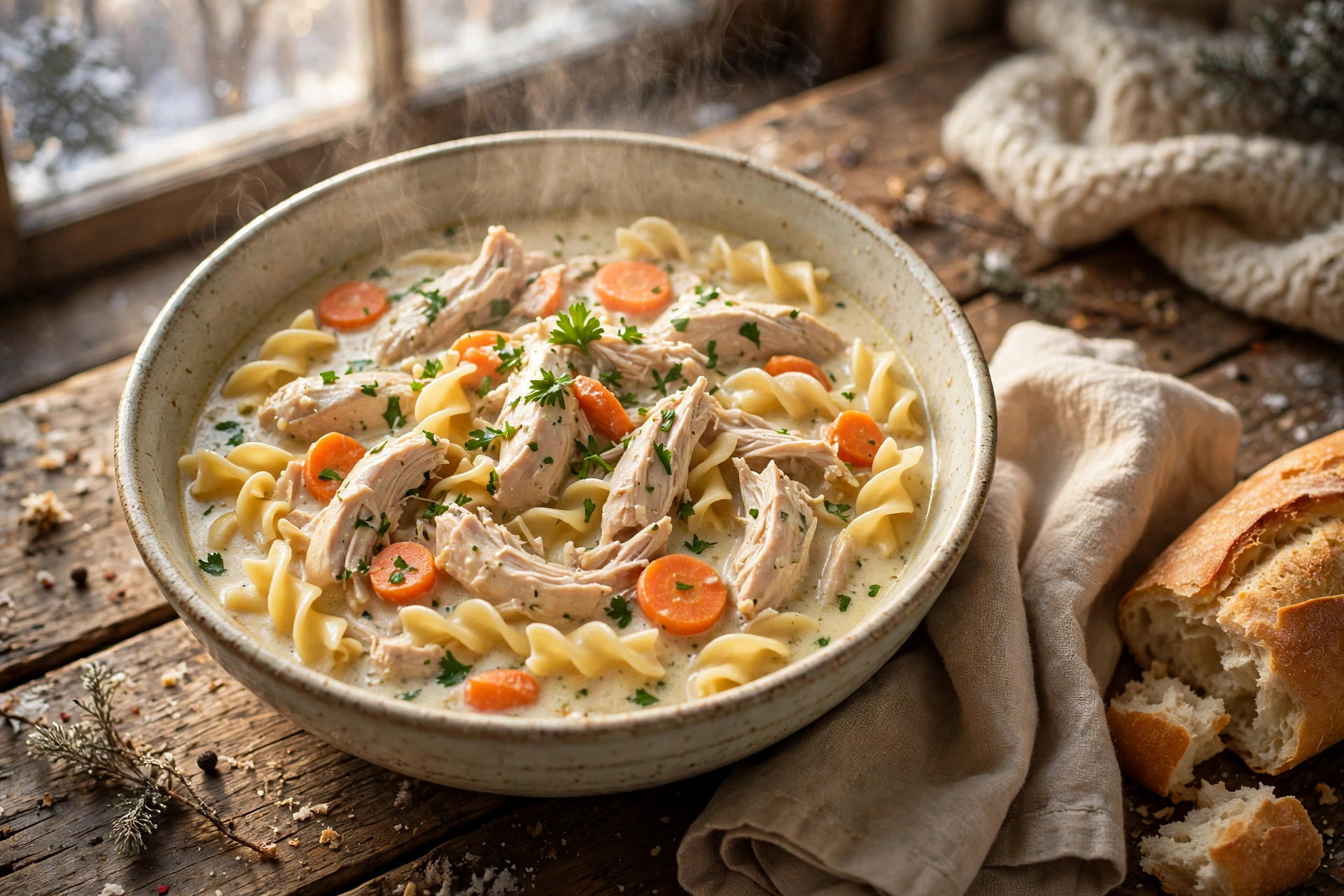
Turkey sandwiches are wonderful, but a breast gives you enough leftovers to be more creative. Stir diced turkey into a pot pie with leftover vegetables and a biscuit topping. Fold it into a creamy pasta with mushrooms and peas. Simmer the bones into stock and make turkey noodle soup for the cold weekend after Thanksgiving.
My favorite leftover move is turkey and cranberry quesadillas — shredded turkey, a smear of cranberry sauce, and melted cheese in a toasted tortilla. It takes five minutes, it uses two leftovers at once, and it tastes nothing like Thanksgiving dinner, which is exactly what you want by Saturday.
Freeze what you will not eat in three days. Slice it, pack it flat in bags with the air pressed out, and label it with the date. Frozen turkey keeps well for a couple of months and turns a January weeknight into an easy soup night.
Your Turn
A whole turkey is a wonderful tradition, but it is not the only way to have a real Thanksgiving dinner. A roast turkey breast gives you the golden skin, the juicy slices, and the happy table, with half the work and a much happier cook. Pick the version that fits your day — classic, brined, herb butter, slow cooker, or smoked — and use a thermometer. Your small table deserves a big-feeling meal, and this is how you give it one.