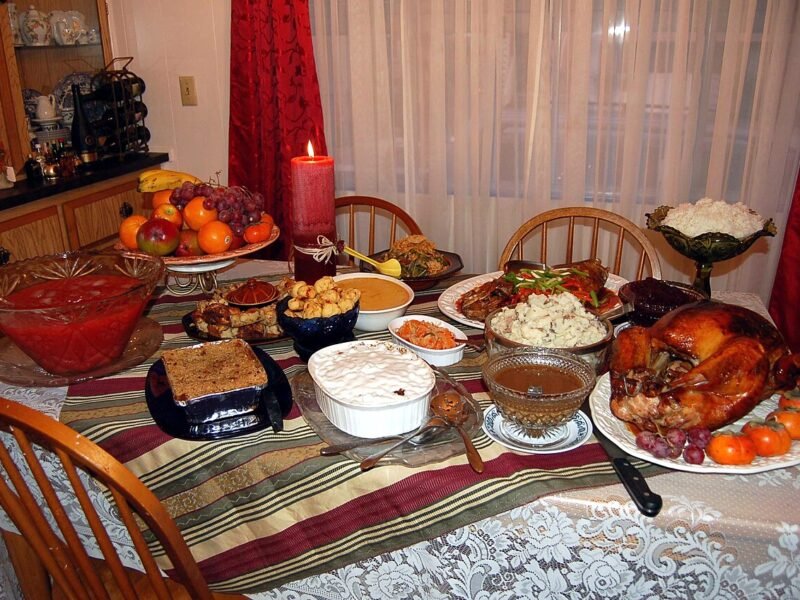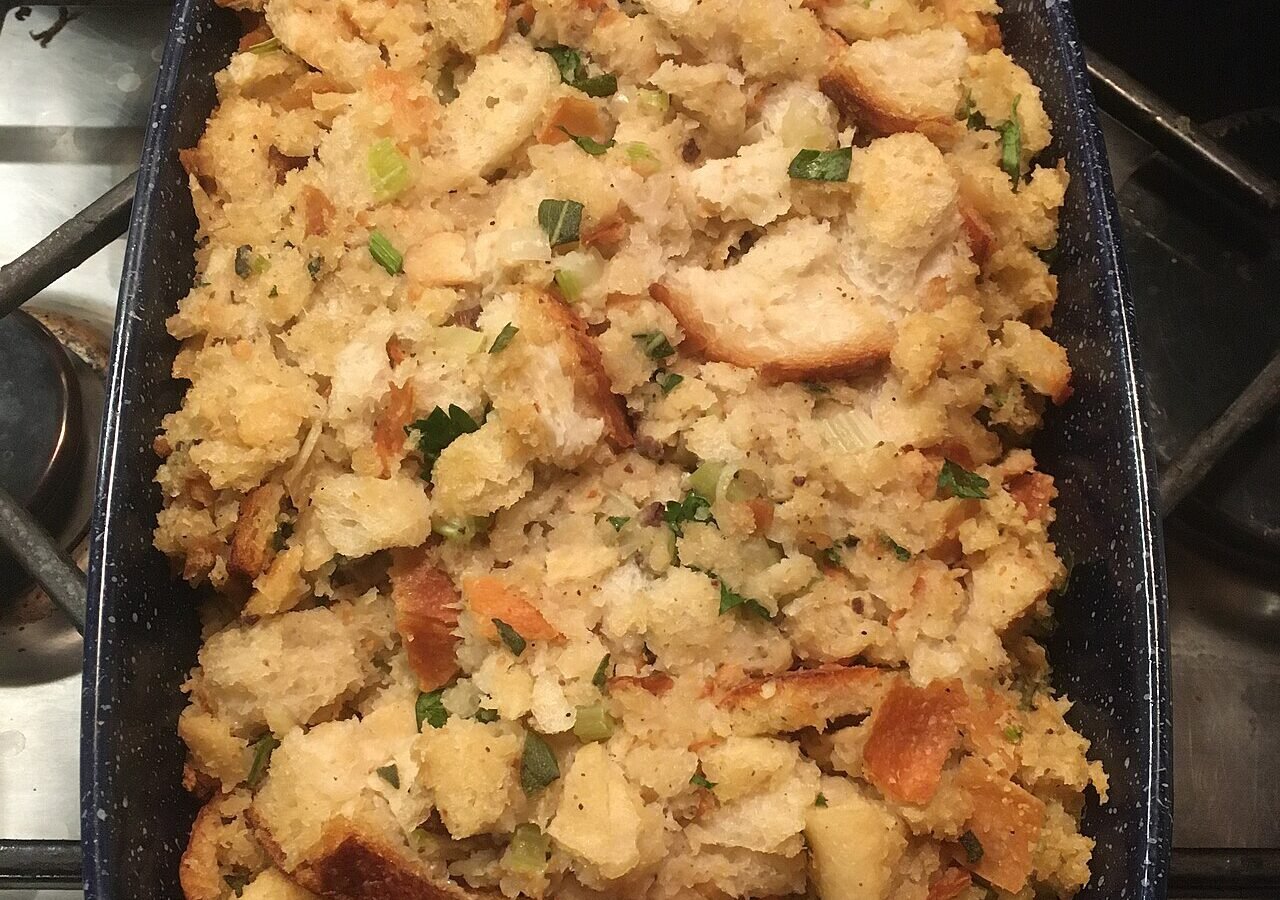
If you ask my family what dish makes it Thanksgiving, nobody says the turkey. They say the stuffing. My grandmother made hers in a chipped blue roasting pan, with bread she had dried on the counter for two days, sausage from the local butcher, and enough sage to make the whole kitchen smell like November. The turkey was the centerpiece, but the stuffing was the reason everyone came back for seconds.
Stuffing is also the most forgiving dish on the Thanksgiving table, which makes it the perfect place for a home cook to shine. It is hard to ruin, easy to make ahead, and endlessly adaptable — and these classic stuffing recipes cover the four versions every farmhouse cook should have in their back pocket.
First, a Quick Word: Stuffing vs. Dressing
In the South, the same dish baked outside the bird is often called dressing, while in the North it is stuffing whether it goes inside the bird or not. Around here, we call it stuffing either way, and we almost always bake it in a dish rather than inside the turkey — it cooks more evenly, the top gets gloriously crispy, and you do not have to worry about food-safety timing for a stuffed bird.
Whatever you call it, the formula is the same: dried bread + aromatics + fat + stock + eggs to bind. Get those five elements right and the details are yours to play with.
The Foundation: Drying Your Bread
Every great stuffing starts a day early, with bread that is properly dry. Fresh, soft bread turns to mush the moment stock hits it; dry bread drinks up flavor and holds its shape.
You have two easy options:
- Counter method: Cube a loaf of sturdy white bread, country bread, or a mix of white and whole wheat. Spread the cubes on a baking sheet and leave them uncovered on the counter overnight.
- Oven method: Spread the cubes on baking sheets and bake at 250°F for 45–60 minutes, stirring once, until they feel dry and lightly crisp but not browned.
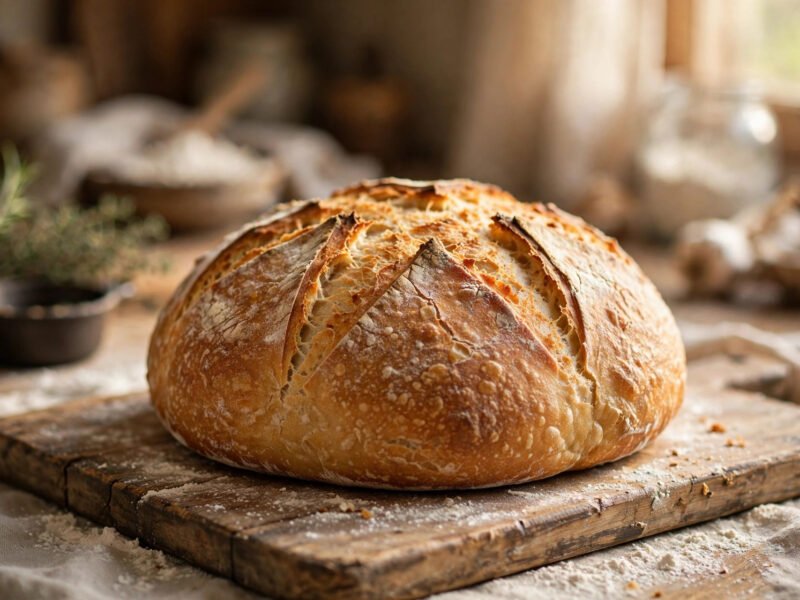
You need about 12 cups of cubes (roughly one large loaf) for a 9×13-inch pan that serves eight to ten. If you are baking your own bread for the holiday, our no knead farmhouse bread makes a wonderful stuffing base — a day-old loaf is actually better than a fresh one here.
📌 Pin this: Dry your bread cubes a full day ahead and store them in a paper bag, not plastic. Plastic traps moisture and undoes all your drying work overnight.
Recipe 1: Classic Sage and Onion Stuffing
This is the one my grandmother made, and it is still the version I reach for first. Simple, herby, and deeply savory.
Ingredients:
- 12 cups dried bread cubes
- 1 cup (2 sticks) butter
- 2 large onions, diced
- 4 celery stalks, diced
- 2 tablespoons fresh sage, chopped (or 2 teaspoons dried)
- 1 tablespoon fresh thyme leaves
- 1 teaspoon salt, plus more to taste
- 1/2 teaspoon black pepper
- 3–4 cups warm chicken or turkey stock
- 2 large eggs, beaten
Method:
- Melt the butter in a large skillet over medium heat. Cook the onions and celery until soft and translucent, about 10 minutes. Stir in the sage and thyme and cook one minute more, until fragrant.
- Put the bread cubes in your largest bowl. Pour the butter-vegetable mixture over the top and toss gently.
- Pour in 3 cups of warm stock and the beaten eggs. Toss again, adding more stock a splash at a time, until the bread is moist but not soggy — it should hold together when squeezed, not drip.
- Taste and adjust the salt. Remember the stock and butter already carry salt, so season carefully.
- Transfer to a buttered 9×13-inch baking dish. Cover with foil and bake at 350°F for 30 minutes, then uncover and bake 20–25 minutes more until the top is golden and crisp.
For the stock, homemade makes a real difference here. Our homemade chicken stock guide shows how to turn a weekend chicken into a freezer full of rich stock, and stuffing is one of the best places to spend it.
Recipe 2: Sausage and Apple Stuffing
When you want something heartier — the kind of stuffing that could almost be dinner on its own — add sausage and apple. The sausage brings richness, the apple brings a sweet-tart brightness, and together they turn a side dish into a conversation piece.
Follow the classic recipe above, with these changes:
- Brown 1 pound of bulk pork sausage in the skillet first, breaking it into small crumbles. Remove it with a slotted spoon, then cook the onions and celery in the sausage drippings plus half the butter.
- Add 2 diced apples (a firm variety like Granny Smith or Honeycrisp) to the skillet with the onions and celery, cooking until just softened.
- Stir the sausage back in with the bread cubes, and reduce the stock slightly — the sausage adds moisture of its own.
This version is a crowd favorite at potlucks, and it reheats beautifully, which makes it a smart choice if you are cooking for a gathering where dishes need to travel.
Recipe 3: Cornbread Stuffing
Cornbread stuffing is a Southern classic, and once you try it, you may never go back to white bread. It is crumblier, sweeter, and it pairs beautifully with ham as well as turkey.
Key differences from the classic recipe:
- Use 12 cups of dried cornbread cubes instead of white bread. Bake a pan of cornbread a day ahead, let it cool completely, then cube and dry it the same way.
- Add a diced red bell pepper to the onion and celery for color and sweetness.
- Use a little less stock at first — cornbread absorbs liquid faster than white bread — and add more gradually until the texture is right.
- A pinch of cayenne or a diced jalapeño (seeds removed) gives it a gentle warmth that wakes up the whole plate.
Cornbread stuffing dries out faster than bread stuffing, so keep it covered for most of the bake and uncover only for the last 15 minutes to crisp the top.
Recipe 4: Slow Cooker Stuffing (The Oven-Saver)
On Thanksgiving, oven space is the scarcest resource in the house. A slow cooker stuffing frees up an entire rack, and it practically cooks itself.
- Prepare the classic sage and onion mixture as above, but use only 2 1/2 cups of stock — the slow cooker traps moisture.
- Grease the slow cooker generously with butter and add the mixture.
- Cook on low for 3–4 hours or high for 2 hours, until heated through and set.
- For a crispy top, transfer the finished stuffing to a baking dish and broil for 3–5 minutes just before serving (watch it closely — broilers go from golden to burnt in seconds).
This is the version I make when the turkey, the rolls, and the casserole are all fighting for oven space. It is also the easiest one to hand off to a helper: assemble it, set the timer, and walk away.
Make-Ahead Tips That Actually Work
Stuffing is one of the best make-ahead dishes on the Thanksgiving menu, and a little planning turns a frantic holiday morning into a calm one:
- Two days ahead: Dry your bread cubes and store them in a paper bag.
- One day ahead: Cook the vegetables and sausage (if using), cool, and refrigerate. Assemble the full stuffing in its baking dish, cover tightly, and refrigerate overnight.
- Thanksgiving day: Take the dish out of the fridge 30 minutes before baking. Add a splash of extra stock if it looks dry, then bake as directed, adding 10 extra minutes to the covered time.
Never assemble stuffing with raw eggs and refrigerate it for more than a day, and never stuff a raw turkey the night before — those are the two food-safety rules worth knowing, and baking your stuffing in a dish sidesteps the second one entirely.
Troubleshooting Common Stuffing Problems
Too dry? Drizzle warm stock over the top, cover with foil, and return it to the oven for 15 minutes. Next time, add a little more stock before baking — stuffing should look wetter than you think it should before it goes in.
Too soggy? Uncover it, raise the oven to 400°F, and bake 10–15 minutes more. Next time, dry the bread longer and hold back a cup of stock.
Bland? Stuffing needs more salt and herbs than you expect, because bread is a mild base. Taste the mixture before baking — it should taste slightly over-seasoned, since baking mellows it. A splash of the turkey’s pan drippings stirred in before baking also adds a depth nothing else can match.
Burnt top, cold middle? Your oven runs hot or the dish went in too cold. Cover with foil until the center is hot, then uncover briefly to re-crisp.
📌 Pin this: Taste your stuffing mixture before it goes in the oven. It should taste a touch too salty and too herby — baking softens both, and an under-seasoned stuffing cannot be fixed at the table.
What to Serve Alongside
Stuffing is a team player. It belongs next to roast turkey or chicken, a good gravy, and something bright to cut the richness — cranberry sauce, a tart apple salad, or pickled vegetables. If you are planning the whole menu and want more farmhouse ideas, our easy crockpot dump dinners collection is not Thanksgiving-specific, but the slow-cooker mindset behind it — one pot, low fuss, big flavor — is exactly how I like to approach the holiday.
A Quick Recap
Four recipes, one formula: dry bread, butter, aromatics, stock, and eggs. Start with the classic sage and onion, branch out to sausage and apple when you want something heartier, try cornbread for a Southern twist, and lean on the slow cooker when the oven is full. Make it ahead, taste before baking, and do not be surprised when the stuffing disappears before the turkey does.
At our house, we now make a double batch — one pan for the table, one pan for the cook. After all those years of watching the stuffing vanish first, I finally learned to protect my own portion. You might want to do the same.