The first time I brought persimmons home, I did not know what I had. They sat on the counter, orange and glossy, and I waited for them to soften the way a peach would. When I finally cut one open, it tasted like honey and apricots had decided to share a fruit, and I wondered why I had waited so long to try them.
Persimmons are a late-autumn treasure, and they deserve more attention than they get. These persimmon recipes cover the two kinds you will find in stores, how to tell when they are ready, and the dishes that show them off best — from a classic pudding to a simple salad that lets the fruit speak for itself.
Know Your Persimmon
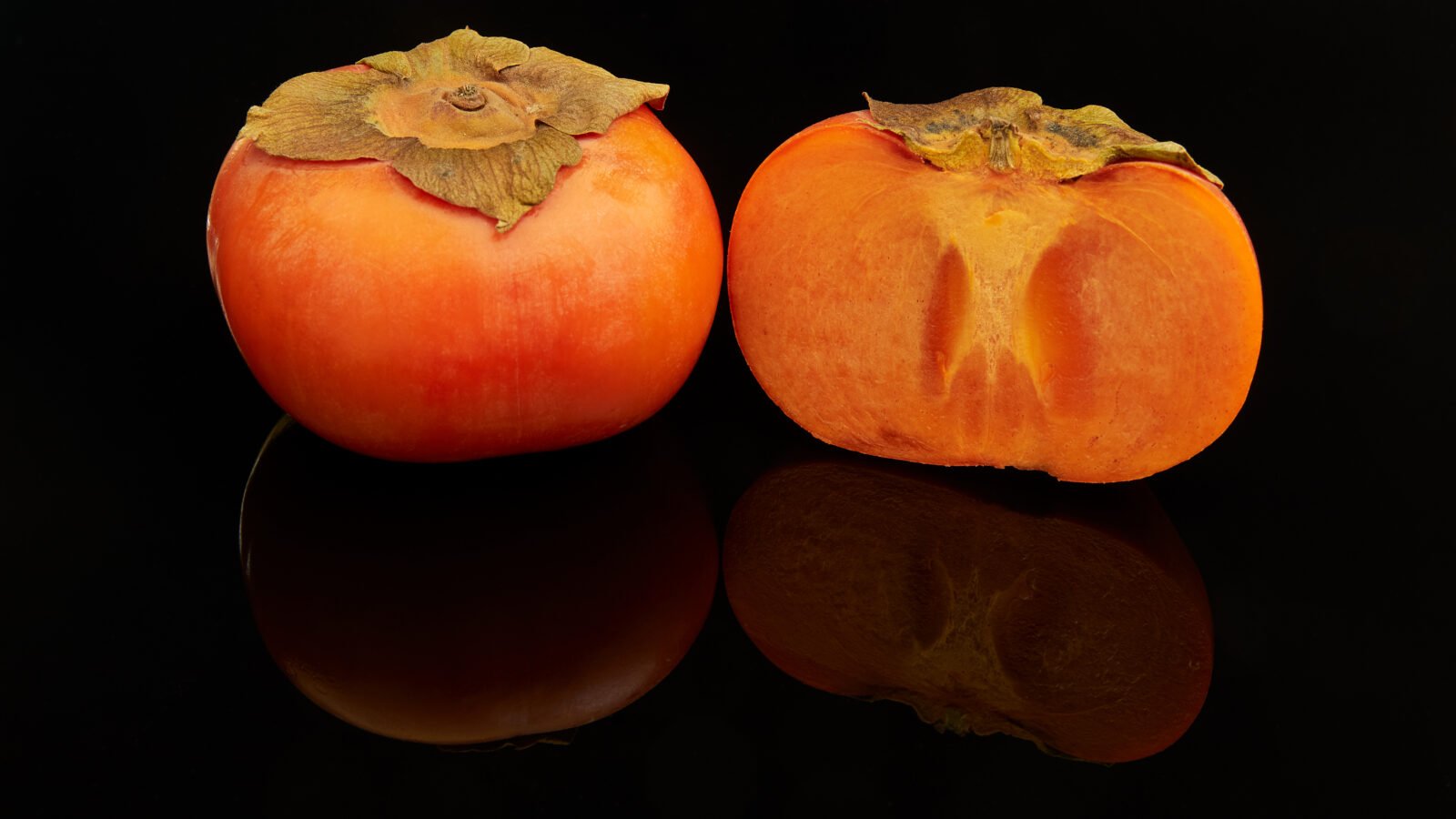
There are two main types, and knowing which one you have matters. Fuyu persimmons are squat and round like a tomato, and they are meant to be eaten firm, like an apple. Slice them into wedges or salads, and they are crisp, sweet, and refreshing. Hachiya persimmons are taller, shaped like an acorn, and they must be completely soft — almost jelly-like — before you eat them. A firm Hachiya is unpleasantly astringent, the kind of mouth-puckering that makes you swear off persimmons forever.
That distinction is the whole secret. If you buy Hachiyas, let them ripen on the counter until they feel like a water balloon and the skin looks almost translucent. Then scoop out the soft pulp with a spoon. If you buy Fuyus, you can eat them the day you bring them home, firm and crisp.
Most of the baking recipes in this article use soft Hachiya pulp, but you can also use very ripe Fuyus that have gone soft — just scoop and use the same way. If you are unsure which type you have, ask at the market, or look at the shape: squat and tomato-like means Fuyu, tall and acorn-like means Hachiya.
Persimmon Pudding, the Classic
Persimmon pudding is the recipe that made me fall for this fruit. It is not a light, creamy pudding — it is a dense, moist, spice-cake-like dessert, baked in a pan and cut into squares. It tastes like autumn: cinnamon, nutmeg, and the deep honey sweetness of ripe persimmon pulp.
The batter is simple. Whisk together soft persimmon pulp, eggs, sugar, milk, and melted butter, then fold in flour, baking soda, cinnamon, nutmeg, and a pinch of salt. Some recipes add chopped nuts or raisins; I like walnuts for crunch. Pour it into a buttered baking dish and bake until the center is set and the top is dark and glossy.
Serve it warm with whipped cream, or cold the next day with coffee. It keeps well for several days, and it actually tastes better on day two, when the spices have settled into the crumb. If you have never baked with persimmons, start here — this is the recipe that converts skeptics.
Persimmon Bread and Muffins
If you like banana bread, you will like persimmon bread. It uses the same idea — ripe fruit pulp folded into a quick batter — but the flavor is richer and more complex, like honey with a hint of spice. It is a quick bread, so there is no yeast and no rising time, just mix, pour, and bake.
For muffins, use the same batter in a muffin tin and reduce the baking time. Persimmon muffins are a wonderful breakfast in late autumn, especially warm from the oven with butter. Add chopped pecans or a handful of dried cranberries for texture and color. They freeze well too, so a double batch gives you breakfast for weeks.
One practical note: persimmon pulp is wet, so the batter will look looser than a banana bread batter. That is normal. Do not add extra flour to stiffen it, or the bread will turn out dry. Trust the recipe, and let the finished loaf cool before slicing, or it will crumble.
Salads and Savory Dishes
Firm Fuyu persimmons are wonderful in salads, where their crisp sweetness plays against bitter greens and salty cheese. Slice a Fuyu thin, and toss it with arugula or mixed greens, crumbled goat cheese, toasted walnuts, and a light vinaigrette. The combination is elegant enough for a holiday table and easy enough for a weeknight.
Persimmons also pair beautifully with prosciutto or cured ham. Wrap thin slices of persimmon in prosciutto for an appetizer, or layer them on a cheese board with brie and crackers. The sweet fruit against the salty meat is a classic pairing, and it looks beautiful on a platter.
For a warm savory dish, try roasted persimmon wedges. Toss firm Fuyu wedges with olive oil and a pinch of salt, and roast until the edges caramelize. Serve them alongside roast pork or chicken, where their sweetness balances the savory meat. If you like roasting seasonal fruit, our fall pumpkin baking recipes uses the same instinct — let autumn produce do the talking.
Persimmon Cookies and Cakes
Persimmon cookies are an old-fashioned treat that deserves a comeback. The classic version is a soft, spiced drop cookie, made with persimmon pulp, raisins, and walnuts. They are cakey rather than crisp, and they stay moist for days, which makes them a good cookie to bake ahead for a gathering.
For a cake, persimmon pulp makes a wonderfully moist spice cake. Bake it in a bundt pan, dust it with powdered sugar, and serve it with coffee. It is the kind of cake that looks simple and tastes like you spent all day on it. A cream cheese frosting also works beautifully, if you want to dress it up for a celebration.
If you are building a seasonal baking list, persimmon bread, cookies, and cake give you three different ways to use the same pulp. Make a big batch of pulp when Hachiyas are soft, freeze it in one-cup portions, and you can bake all winter. Our apple butter canning recipe follows the same seasonal logic — preserve the harvest when it is at its best, and enjoy it for months.
Breakfasts and Simple Sweets
Not every persimmon recipe needs to be a project. A ripe Fuyu, sliced and eaten out of hand, is a fine breakfast on its own. Sliced persimmon over yogurt with a drizzle of honey and a sprinkle of granola makes a breakfast that feels special without any cooking at all.
Persimmon jam is another simple use for soft pulp. Simmer the pulp with sugar and lemon juice until it thickens, and you have a golden jam that is wonderful on toast or stirred into oatmeal. It is a small-batch recipe, so it is a good weekend project, and it makes a lovely gift.
For a quick dessert, try persimmon slices with a little whipped cream and a grating of nutmeg, or a scoop of vanilla ice cream topped with warm persimmon sauce. The fruit is so sweet on its own that it does not need much help — a little cream and spice is enough.
Freezing Pulp for Later
Persimmon season is short, but pulp freezes beautifully, and that is the trick to enjoying persimmons all winter. When Hachiyas are fully soft, scoop the pulp into a bowl, remove any seeds, and measure it into one-cup portions. Freeze each portion in a labeled bag or container, flat if you can, so it thaws quickly.
Frozen pulp thaws in the fridge overnight, or in a bowl of cool water in an hour or so. Use it exactly like fresh pulp in any baking recipe. I freeze pulp every November, and by January I am still baking persimmon bread from a fruit that was only in stores for a few weeks.
If you buy Fuyus, they keep in the fridge for a week or more while firm, but they do not freeze as nicely whole. For Fuyus, the best plan is to eat them fresh, in salads and snacks, and save the freezing for Hachiya pulp.
Picking and Ripening Tips
At the market, choose persimmons with smooth, glossy skin and no cracks or bruises. Fuyus should feel firm, like an apple, and heavy for their size. Hachiyas should feel soft already, or you should be prepared to wait for them to ripen at home.
Never rush a Hachiya. An underripe one is not just tart — it is astringent in a way that coats your mouth, and it can put you off persimmons entirely. Wait until it is so soft you worry it might be too soft. That is when it is perfect.
Store firm persimmons on the counter, not in the fridge, until they ripen. Once a Hachiya is fully soft, use it right away or freeze the pulp. Once a Fuyu is cut, keep the slices in the fridge and eat them within a day or two. And if you need a quick afternoon bite while you wait for your baking to cool, our easy homemade afternoon snacks has plenty of ideas that pair well with a sliced persimmon on the side.
Your Turn
Next time you see persimmons at the market, buy a few of each kind. Eat a firm Fuyu sliced into a salad tonight, and set a Hachiya on the counter to ripen for the weekend. By Sunday, you will have pulp for pudding or bread, and a new favorite fruit for the season.
Persimmons ask for a little patience and a little knowledge, and they repay both generously. Learn the two types, wait for the soft ones, and let this honey-sweet fruit earn a permanent place in your autumn kitchen.