Here’s the trap almost every aspiring homesteader falls into: they try to do everything at once. Chickens, a huge garden, canning, sourdough, beekeeping, a greenhouse — all in year one. Six months later they’re exhausted, the garden is a weed farm, and the whole dream feels like a mistake.
Homesteading isn’t a shopping list. It’s a skill ladder. You start with skills that cost nothing and can’t fail badly, build confidence and competence, and climb toward the bigger projects that actually pay off. Each skill makes the next one easier.
This is the order I’d recommend to any beginner — from zero-cost starters to serious homestead projects. Master them in sequence, and by the end you’ll be producing real food, cutting real bills, and wondering why you ever thought this was hard.
Level 1: Zero-Cost Starters (Months 1–3)
These cost little or nothing, take minimal time, and build the foundational habits every other skill depends on.
Skill 1: Composting
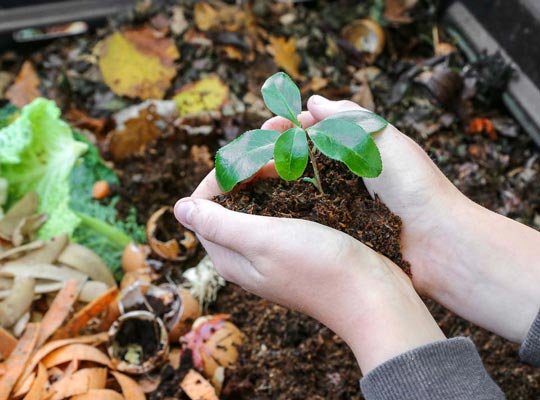
Composting is the closest thing homesteading has to a cheat code. You take garbage — kitchen scraps, leaves, cardboard — and turn it into the best garden fertilizer on earth, for free. Every future garden, every future chicken project, every future orchard runs better on compost.
Start with a simple pile or bin: layer “greens” (food scraps, coffee grounds, grass) with “browns” (dry leaves, shredded cardboard) about 1:3, keep it damp, and turn it occasionally. In 2–4 months you have black gold.
Why first: It’s free, it’s nearly impossible to mess up badly, and it feeds everything else you’ll do. Full walkthrough: https://amesfamilyfarm.com/composting-101-beginners-guide/.
Skill 2: Growing herbs on a windowsill
Before you commit to a garden, prove to yourself you can keep plants alive. A sunny windowsill with basil, chives, mint (its own pot — always), and parsley teaches watering rhythms, light needs, and harvesting in four square feet.
Why second: Instant wins. You’ll be snipping fresh herbs into dinner within weeks, and the confidence carries straight into outdoor growing.
Skill 3: Cooking from scratch (one meal at a time)
Homesteading is as much a kitchen skill as a land skill. You don’t need to go full pioneer overnight — just pick one processed thing you buy and learn to make it: bread, stock, yogurt, salad dressing, tortillas. Each from-scratch staple you master cuts your grocery bill and builds the food skills that make garden harvests and preserved food actually useful.
Start with https://amesfamilyfarm.com/no-knead-farmhouse-bread/ and https://amesfamilyfarm.com/homemade-chicken-stock/.
Why third: A garden full of vegetables is worthless if you don’t cook. Kitchen skills turn harvests into meals instead of compost.
Level 2: Small Wins That Pay (Months 3–8)
You’ve got compost cooking, herbs thriving, and a couple of from-scratch staples in rotation. Now scale up to projects with real grocery-bill impact.
Skill 4: Container or small-plot vegetable gardening
Time to grow actual calories. Start with a 4×4-foot bed or a few large containers and plant the “can’t-fail five”: lettuce, radishes, bush beans, cherry tomatoes, and zucchini. These germinate fast, forgive beginner mistakes, and produce quickly — critical for morale.
For the lowest-effort method, try https://amesfamilyfarm.com/chaos-gardening-for-beginners/.
Why fourth: Fresh vegetables are the most visible homestead win, and a small success here funds your ambition for a bigger garden later.
Skill 5: Seed starting indoors
Buying transplants at $4–5 each destroys the economics of gardening. A $3 packet of seeds started indoors under a basic shop light produces dozens of plants for pennies each. Learn the simple setup: seed trays, basic potting mix, a $20 LED shop light on a timer, and a spray bottle.
Even easier: https://amesfamilyfarm.com/winter-sowing-milk-jug-method/ lets you start hardy seeds outdoors in recycled jugs with zero equipment.
Why fifth: This skill multiplies the value of every garden you ever plant. It’s the difference between a $200 garden and a $40 garden.
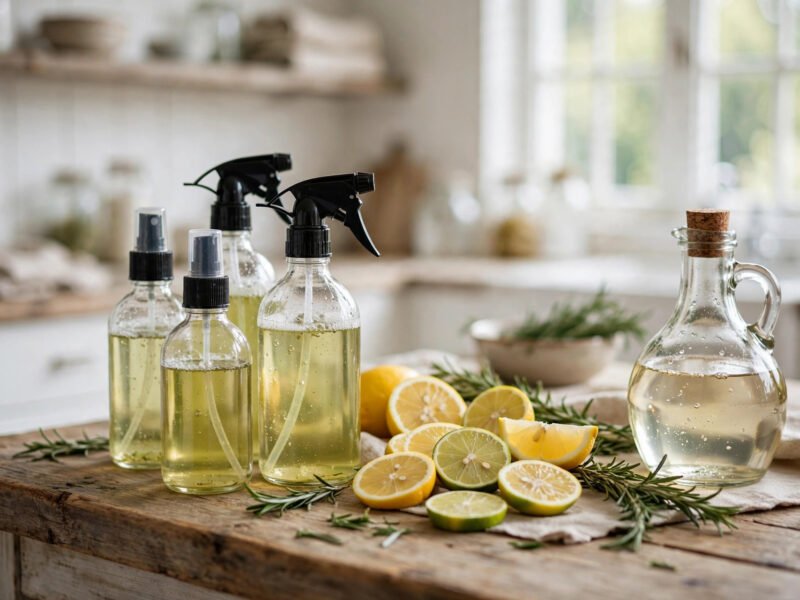
Skill 6: DIY household cleaners
Once you’re growing food, the next frontier is everything else you buy in plastic bottles. Basic cleaners — all-purpose spray, laundry detergent, dish soap — can be made from vinegar, baking soda, castile soap, and washing soda for a fraction of store prices. See https://amesfamilyfarm.com/diy-household-cleaners-recipes/ for tested recipes.
Why sixth: It extends self-reliance beyond food and cuts household spending.
Level 3: Preservation & Serious Food Production (Months 8–14)
You’re growing real food now. The next skills make sure none of it goes to waste and stretch your harvest across the whole year.
Skill 7: Water-bath canning
Canning is the skill that turns a summer garden glut into winter food security. Start with high-acid foods — they’re the safest and simplest: tomatoes, jams, pickles, salsa. A basic water-bath setup (large pot, rack, jars, lids) costs under $50 and lasts for years.
Master the fundamentals with https://amesfamilyfarm.com/water-bath-canning-for-beginners/, then put up your tomato harvest with https://amesfamilyfarm.com/how-to-can-tomatoes/.
Why seventh: Preservation is what separates “gardening hobby” from “food production.” A pantry of home-canned tomatoes in January is a profound feeling.
Skill 8: Dehydrating and freezing
Not everything needs canning. A basic dehydrator (or your oven on low) turns herbs, apples, tomatoes, and peppers into shelf-stable stores. And proper freezing technique — blanching vegetables, vacuum-sealing or double-bagging — preserves garden quality for months. These are the lowest-effort preservation methods and the best starting point for total beginners.
Why eighth: With canning, these three methods preserve anything your garden produces. Zero waste, year-round harvest.
Skill 9: Backyard chickens (eggs first)
Chickens are most beginners’ dream entry into livestock — and they’re genuinely one of the best returns in homesteading. Notice they’re skill #9, not skill #1. By now you have compost for bedding, kitchen scraps for treats, garden space for them to work, and the daily-routine discipline animals require.
Start with 4–6 laying hens (no rooster needed for eggs). Before you buy, read https://amesfamilyfarm.com/mistakes-new-chicken-owners/ to skip the expensive beginner errors, and https://amesfamilyfarm.com/cost-of-raising-backyard-chickens-2026/ for honest 2026 numbers.
Why ninth: Chickens are daily-commitment livestock. Everything before this trained you for the routine — and now their manure feeds your compost, their scratching preps garden beds, and their eggs cut your grocery bill.
Level 4: Bigger Projects (Year 2+)
You’ve got a productive garden, preserved food, and laying hens. Now you’re ready for the projects that turn a homestead hobby into a lifestyle.
Skill 10: Season extension
Greenhouses, cold frames, row covers, and hoop houses let you garden weeks earlier in spring and months later into fall — or year-round in mild climates. Start small: a simple cold frame built from scrap lumber and an old window can give you salads in March. Scale up to a hoop house when you’re ready.
Why tenth: It doubles your food production without doubling your land — the highest-ROI infrastructure a home gardener can build.
Skill 11: Perennial food plantings
Annual vegetables are great, but perennials are the real homestead wealth: plant once, harvest for decades. Fruit trees, berry bushes, asparagus, rhubarb, Jerusalem artichokes, and perennial herbs compound like interest — every year they produce more with less work.
Why eleventh: Perennials take 2–5 years to peak, so year-two planting means they mature right as your skills do.
Skill 12: Meat production or advanced livestock
The final rung: meat chickens, rabbits, or expanding into dairy goats or pigs. These are the most demanding projects — more infrastructure, more daily labor, processing skills, and in many areas, zoning considerations. They’re also the most rewarding, completing the journey from grocery-store dependence to genuine food independence.
Why last: Everything on this ladder prepared you — routines, infrastructure, preservation skills, and an honest sense of what livestock costs.
The Skill Ladder at a Glance
1. Composting — free fertilizer from garbage
2. Windowsill herbs — prove you can keep plants alive
3. Cooking from scratch — turn future harvests into meals
4. Small vegetable garden — grow real food, fast wins
5. Seed starting — garden for pennies instead of dollars
6. DIY cleaners — self-reliance beyond the kitchen
7. Water-bath canning — preserve the harvest
8. Dehydrating & freezing — zero-waste preservation
9. Backyard chickens — daily livestock, done right
10. Season extension — double your growing season
11. Perennial plantings — plant once, harvest for decades
12. Meat & advanced livestock — full food independence
Common Mistakes Beginners Make
1. Starting with livestock. Animals can’t wait while you figure things out. Build your skills and routines with plants first.
2. Going too big, too fast. A 20×20 garden in year one becomes a weed farm by July. Start with 4×4 and expand what you can actually maintain.
3. Buying every gadget first. You need soil, seeds, and water — not a $400 raised-bed kit. Skills beat gear every time.
4. Skipping the kitchen skills. Growing food you can’t cook or preserve is just expensive compost.
5. Comparing to year-ten homesteaders. That picture-perfect homestead took a decade. Everyone starts with a windowsill basil plant.
FAQ: Starting Your Homestead
How much land do I need to homestead?
Far less than you think. Skills 1–8 work on a balcony or small backyard. Chickens need only a few square feet per bird plus a run. A quarter-acre, well-managed, can produce a shocking amount of food. Start where you are.
How much does it cost to start homesteading?
Skills 1–3 cost nothing; a first garden runs $30–60. Chickens are the first real investment at a few hundred dollars — and each level’s savings help fund the next.
Can I homestead while working a full-time job?
Yes — most homesteaders do. The key is the ladder: early skills take minutes per day, and by the time you reach daily-commitment projects like chickens, you’ve built the routines. Start with 30 minutes a day and grow from there.
What’s the single best first project?
Compost. It’s free, it can’t really fail, it teaches the input-output thinking behind all homesteading, and it makes every future garden dramatically better.
How long until I’m actually saving money?
Herbs and salad greens pay for themselves within weeks. A vegetable garden typically breaks even in its first season. Chickens usually pay back their setup costs within the first year of laying. Canning equipment pays for itself the first season you use it.
Conclusion: Climb the Ladder, Don’t Jump It
Homesteading rewards patience and punishes rushing. Follow this ladder and each skill makes the next one easier and cheaper. In two years, you’ll be amazed how far a windowsill basil plant took you.
Your first step is today: start a compost pile (it takes 20 minutes), then read https://amesfamilyfarm.com/composting-101-beginners-guide/ for the full method — and when you’re ready to cut your grocery bill with what you grow, https://amesfamilyfarm.com/save-money-on-groceries-homestead/ shows you exactly where the savings are. Welcome to the ladder.