I’ll be honest with you: my first vegetable garden was a disaster I can still picture. I’d marked out a plot the size of a parking space, planted everything the seed rack suggested in a single ambitious weekend, and then watched most of it surrender to weeds by July. The tomatoes survived out of what I can only assume was pity.
Here’s what I know now that I wish I’d known then: starting a vegetable garden isn’t about having the perfect setup. It’s about starting small, building decent soil, and growing a few things well instead of everything badly. This playbook is the whole first-year plan — the spot, the soil, the crops, and the rhythm — from someone who learned every lesson the hard way so you don’t have to.
And if fall is staring you down right now, don’t worry: autumn is actually a wonderful time to plan and prep. You can build beds, feed the soil, and even plant a few cool-season crops while you dream about spring.
Why Grow Your Own? (The Reason That Actually Sticks)
People start gardens for the grocery savings, and yes, a productive garden does trim the produce bill. But in my experience, the savings aren’t what keep you gardening in year three. What keeps you going is the taste of a tomato that was on the vine an hour ago, the pride of a pantry shelf with your own jars on it, and the quiet competence of feeding your family from your own dirt.
Gardening is also the gateway skill of homesteading. It teaches you seasons, soil, and patience — the same lessons that show up in everything else we do here, from our homesteading for beginners skills beginner skills guide to the compost pile that now feeds every bed we own.
📌 Pin this: Your first garden should be small enough to weed in 20 minutes. A 4×8 bed you love beats a 20×20 plot you abandon by July.
Step 1: Pick Your Spot (Sun First, Everything Else Second)
Vegetables are sun worshippers. Almost everything you’ll grow wants six to eight hours of direct sunlight a day, minimum. So before anything else, spend a day watching your yard. Where does the sun actually land, hour by hour? That sunny patch by the south fence that you never thought about? That’s probably your garden.
Beyond sun, look for:
- Water access. You’ll be watering regularly, especially in the first year. A spot within hose reach saves you hundreds of trudging trips with a watering can.
- Good drainage. Avoid the low spot where water pools after rain. Soggy roots rot, and a swampy garden is miserable to work in.
- Convenience. Put the garden where you’ll walk past it daily — near the kitchen door is ideal. Gardens you see get tended; gardens you have to hike to get forgotten. Out of sight, out of mind is brutally true in gardening.
- Protection. If deer, rabbits, or chickens roam your place, plan for fencing from the start. A garden without a fence in deer country is just a very expensive deer feeder. Ask me how I know.
Step 2: Start Smaller Than You Think
This is the step where beginners (including past me) go wrong most often. Enthusiasm says “go big.” Experience says: start with one or two raised beds, or a patch about 4×8 to 4×12 feet. That’s genuinely enough to grow a shocking amount of food, and small enough that weeding and watering never become a dreaded chore.
A small garden you tend lovingly will out-produce a big garden you neglect — every single time. You can always expand next year, and you will, because by August you’ll be sketching expansion plans on napkins like the rest of us.
If even a bed feels like too much, start with containers. Tomatoes, peppers, herbs, and salad greens all grow happily in pots on a sunny patio. Container gardening counts. It’s real gardening, and it’s a perfectly respectable year one.
Step 3: Choose Your Bed Style
You’ve got three main options, and none of them is wrong:
In-ground rows. The classic: till or dig a patch of earth and plant in rows. Cheapest to start, but you’re working with whatever soil you have, and weeds arrive with enthusiasm. If your native soil is decent and you’re willing to mulch heavily, this works fine.
Raised beds. My personal recommendation for beginners. A simple 4×8 frame of untreated lumber, filled with a mix of topsoil and compost, gives you perfect soil from day one, warms up earlier in spring, and drains well. The defined edges also make the garden feel manageable instead of overwhelming.
Containers and grow bags. Best for renters, tiny yards, or the ultra-cautious beginner. Fabric grow bags are cheap, store flat in winter, and grow excellent potatoes and tomatoes.
Whichever you choose, don’t overthink the construction. I’ve seen gorgeous gardens in beds made from scavenged pallets and humble cinder blocks. The plants don’t care about your carpentry.
Step 4: Build the Soil (This Is the Whole Game)
Here’s the secret experienced gardeners eventually tell you: you’re not growing vegetables, you’re growing soil, and the vegetables are a side effect. Great soil forgives beginner mistakes. Poor soil punishes them.
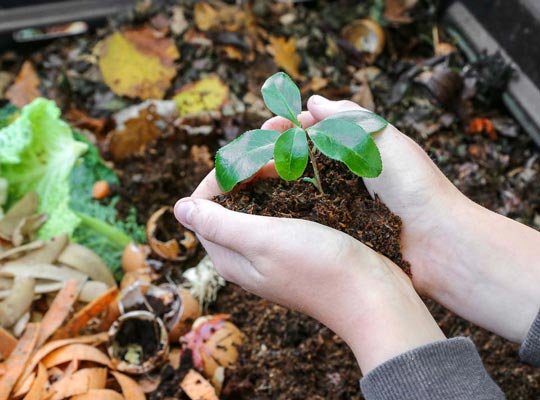
If you’re filling raised beds, a simple mix of good topsoil and finished compost (roughly two parts soil to one part compost) will grow just about anything. If you’re working native ground, spread several inches of compost over the top and work it into the upper few inches — or go no-dig and just plant into the compost layer. Our composting 101 beginners guide composting guide will get you making your own black gold, but for year one, bagged compost from the garden center is completely fine. No shame in it.
Two more soil truths: mulch everything (straw, shredded leaves, or wood chips — bare soil is an invitation to weeds and dries out fast), and don’t walk on your beds. Compacted soil strangles roots. Make paths, stay on them.
Step 5: Choose Easy First-Year Crops
Your crop list is where first-year success is won or lost. Some vegetables are generous to beginners; others are divas. Plant the generous ones.
Nearly foolproof: zucchini and summer squash, bush beans, radishes, lettuce and salad mix, cucumbers, potatoes, and most herbs. These germinate eagerly, grow fast, and forgive imperfect conditions. Radishes go from seed to harvest in under a month — plant them first for an early win that builds momentum.
Worth trying with a little care: tomatoes (buy transplants your first year rather than starting seeds), peppers, carrots, and onions. Tomatoes are the soul of the summer garden and easier than their reputation suggests, as long as they get sun and consistent water.
Save for year two: corn (needs space and pollination in blocks), celery, cauliflower, and anything the packet describes as “challenging.” There’s no prize for degree of difficulty in year one.
Buy transplants for the slow starters (tomatoes, peppers) and direct-sow the fast ones (beans, squash, radishes, lettuce) straight into the garden. And plant what your family actually eats — a bumper crop of kale nobody touches is just compost with extra steps.
Step 6: Time It Right
Every region has a last frost date in spring and a first frost date in fall, and your planting calendar hangs on those two dates. Find yours (your local extension office publishes them, or any gardening site can look them up by zip code in seconds).
The basic rhythm: cool-season crops (lettuce, radishes, peas, spinach) go in weeks before the last frost — they shrug off chilly nights. Warm-season crops (tomatoes, peppers, beans, squash) wait until after the last frost, when the soil has warmed. Planting tomatoes into cold soil in April doesn’t give you earlier tomatoes; it gives you sulking tomatoes.
If you’re starting this project in fall, you’ve got options too. Garlic planted in fall is one of the most rewarding crops there is — see our plant garlic fall guide fall garlic guide — and fall is prime time for building beds, spreading compost, and sowing a cover crop that will feed your soil all winter.
Step 7: Water, Mulch, Weed — The Weekly Rhythm
Here’s the unglamorous truth: a garden mostly needs consistent, boring care. The good news is that the routine is simple.
Water deeply and less often rather than a daily sprinkle. Deep watering trains roots to grow down where the soil stays moist. A good soak once or twice a week beats a light misting every day. Water the soil, not the leaves — wet foliage invites disease.
Mulch everything. I mentioned it before because it deserves mentioning twice. A few inches of straw or shredded leaves around your plants suppresses weeds, holds moisture, and feeds the soil as it breaks down. Mulch is the closest thing gardening has to a cheat code.
Weed a little, often. Ten minutes with a hoe twice a week beats a Saturday lost to a jungle. Weeds are easiest when they’re tiny — catch them young and they barely count as work.
📌 Pin this: Mulch every bed 3–4 inches deep with straw or shredded leaves. It’s the single highest-impact chore in the garden: fewer weeds, less watering, happier soil.
Mistakes to Avoid (Learn From Mine)
- Planting too much. (See: my parking-space garden of 2019.) Start small.
- Planting too early. Cold soil stunts warm-season crops. Wait for the real spring.
- Skipping the mulch. Bare soil = weeds + watering chores. Mulch from day one.
- Crowding plants. That tiny tomato transplant wants three feet of space. Give it room; it will use all of it.
- Forgetting to feed the soil. Compost at planting time and a mid-season top-dress keeps things humming.
- Giving up in August. Every garden looks rough in late summer. Keep watering, keep harvesting, and start planning fall crops. The garden isn’t over until the frost says so.
For a lower-effort companion approach once your beds are rolling, our chaos gardening for beginners chaos gardening guide is a fun way to fill gaps and edges without the fuss.
Quick Recap
Starting a vegetable garden comes down to seven moves: pick the sunniest convenient spot, start smaller than your ambition suggests, choose a bed style that fits your space, build great soil with compost and mulch, plant beginner-friendly crops your family will eat, time planting around your frost dates, and keep up the simple weekly rhythm of water, mulch, and weed. Do that, and your first year won’t just succeed — it’ll hook you for life.
Your turn: what’s the first thing going in your garden? Tell me in the comments — and if it’s tomatoes, you’re in good company.