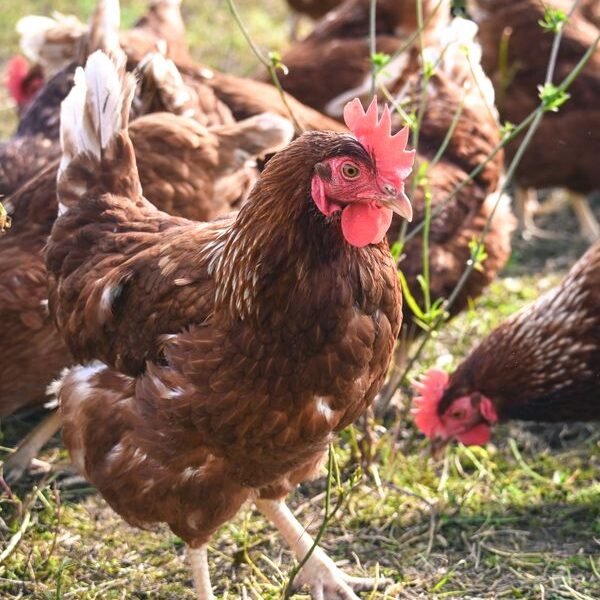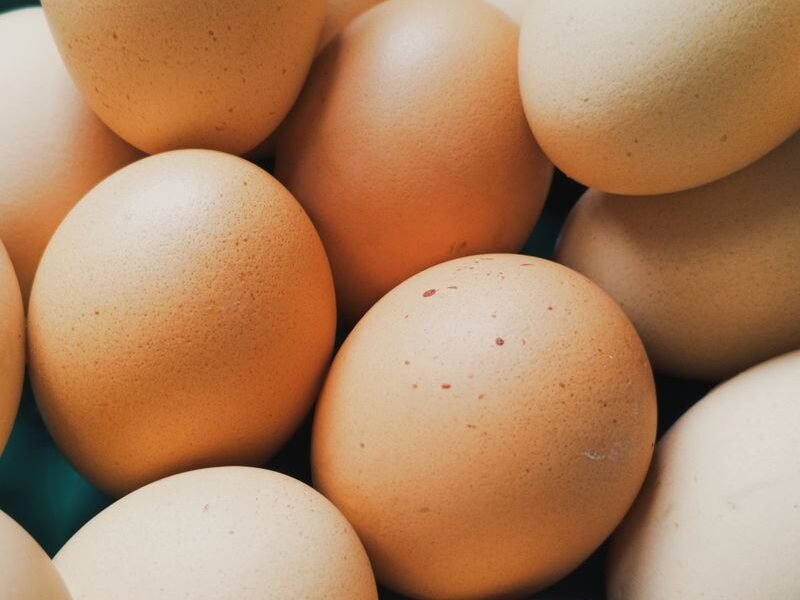
Nobody tells you that the first year of chicken keeping is basically a blooper reel with feathers. I read the books. I watched the videos. I *still* made nearly every mistake on this list — including #7, which cost me a whole batch of chicks and a week of guilt.
Learn from my mistakes instead of making your own. Here are the 15 mistakes new chicken owners make, each paired with the fix that actually works.
Mistake #1: Starting with too many chickens
The mistake: The feed store has a minimum of six chicks, the breeds are adorable, and suddenly you’re bringing home twelve. Then they grow up, and your “starter coop” fits four.
The fix: Six hens is the sweet spot for a beginner family — enough eggs to matter, few enough to manage. If the store minimum forces your hand, have a rehoming plan *before* you buy. And build the coop for the flock you’ll have in two years, not the chicks in the box.
Mistake #2: Building (or buying) a coop that’s too small
The mistake: Those cute prefab coops rated “for 6 chickens” fit about three real ones. Overcrowding causes pecking, stress, disease, and a dramatic drop in laying.
The fix: The real rule is 4 square feet per bird inside the coop and 10 square feet per bird in the run — minimum. When a coop says “holds 8 chickens,” divide by two and that’s the honest number.
Mistake #3: Using chicken wire instead of hardware cloth
The mistake: It’s called *chicken* wire, so it must be for chickens, right? Wrong. Chicken wire keeps chickens in; it does not keep predators out. A raccoon can reach through it, tear it, and unlatch your coop door with those creepy little hands.
The fix: 1/2-inch hardware cloth everywhere — run walls, vents, windows, buried 12 inches around the perimeter or laid as an underground apron. It’s the single best money you’ll spend. (For the full cost picture, see https://amesfamilyfarm.com/cost-of-raising-backyard-chickens-2026/.)
Mistake #4: No predator apron or buried fencing
The mistake: You secure the walls and roof, but nothing stops a fox, dog, or coyote from digging under the run fence in about four minutes.
The fix: Bury hardware cloth 12 inches deep around the run, or lay a 2-foot-wide apron of it flat on the ground extending outward, pinned down and covered with soil or gravel. Digging predators hit it and give up.
Mistake #5: Forgetting that everything eats chickens
The mistake: Planning for hawks and foxes but forgetting raccoons (night), opossums (night), weasels (fit through 1-inch gaps), neighborhood dogs (daytime, #1 killer), and your own cat (chicks).
The fix: Do a predator audit before birds arrive: lock the coop every night, cover the run top, and use spring-loaded latches — raccoons open simple hook latches easily.
Mistake #6: Brooding chicks in the house with no plan
The mistake: The chicks are peeping in a cardboard box in the laundry room, and by week three the dust — unbelievable amounts of fine, powdery dust — is coating everything within twenty feet.
The fix: Brood in a garage, shed, or barn if possible. If it must be indoors, use a large plastic tote with a wire lid (not cardboard — it gets soggy), and move them to the coop the moment they’re fully feathered, around 6–8 weeks.
Mistake #7: Cooking the chicks with the heat lamp (my shame)
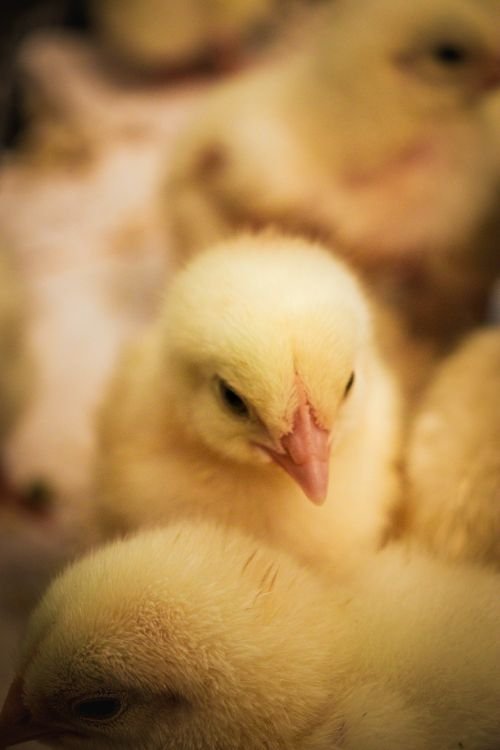
The mistake: I hung the heat lamp low “to keep them cozy” and went to bed. I woke up to lethargic, panting chicks piled in the far corner trying to escape the heat. I nearly lost two of them, and I’ve never forgiven myself.
The fix: Chicks need a *gradient*, not an oven: 95°F directly under the heat source in week one, decreasing 5°F per week, with plenty of room to move away. Better yet, use a radiant heat plate — chicks go under it like a mother hen, it can’t start fires, and they self-regulate. Watch behavior, not thermometers: huddled under the heat = too cold; spread far away and panting = too hot.
Mistake #8: Feeding layer feed to chicks (or chicks’ feed to layers)
The mistake: One bag of feed for everybody seems efficient — until you learn that layer feed’s high calcium damages growing chicks’ kidneys, and chick starter’s low calcium gives laying hens thin shells and weak bones.
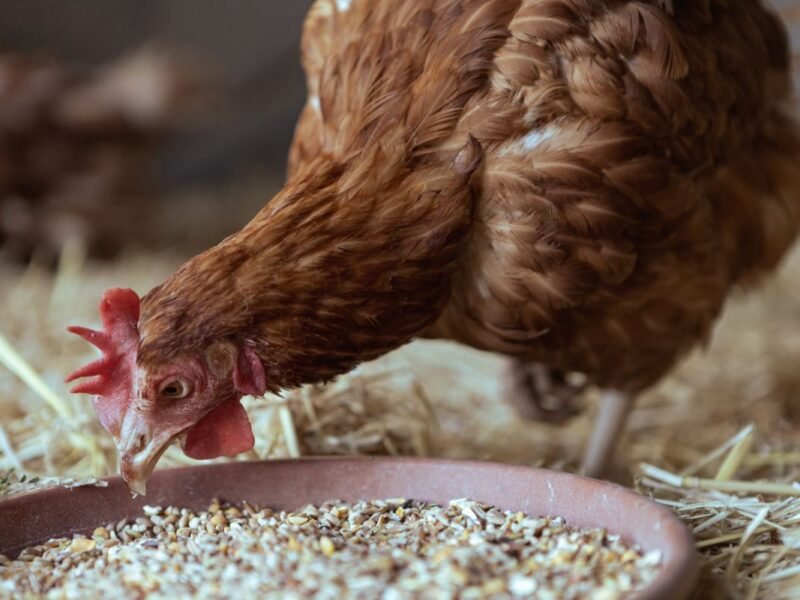
The fix: Chicks get starter (0–8 weeks), then grower (8–18 weeks), then layer feed once they start laying. If you run a mixed-age flock, feed everyone grower/all-flock feed and offer oyster shell free-choice on the side — layers will self-supplement calcium, youngsters won’t overdose.
Mistake #9: Not providing grit and oyster shell
The mistake: Chickens don’t have teeth — they grind food in their gizzards using tiny stones. Without grit, digestion suffers. Without oyster shell (calcium), laying hens produce thin-shelled or shell-less eggs and can develop serious deficiencies.
The fix: Two small dishes, always full, always available: insoluble grit and crushed oyster shell. It costs almost nothing and prevents a shocking number of problems.
Mistake #10: Treating chickens like egg machines, not animals
The mistake: Coop, feed, water — done. Then wondering why production crashes, feathers look rough, and the birds seem miserable. Chickens with nothing to do get stressed, and stressed chickens peck each other and stop laying.
The fix: Boredom busters are free: hang a cabbage for them to peck at, toss scratch grains into deep bedding for them to hunt, give them a dust-bathing spot, let them free-range when you can. A busy chicken is a healthy, laying chicken.
Mistake #11: Skipping quarantine for new birds
The mistake: Bringing home three gorgeous hens from a swap meet and putting them straight in with your flock. Two weeks later everyone is sneezing and you’re Googling “chicken respiratory disease” at midnight.
The fix: Quarantine every new bird for 30 days — separate housing, separate shoes, separate everything, at least 30 feet from the flock. It feels paranoid until the one time it saves your entire flock.
Mistake #12: Winter panic — sealing the coop and adding heat
The mistake: First cold snap hits, and you caulk every vent shut and hang a heat lamp. Now the coop is a humid ammonia box, and you’ve prevented the birds from acclimating to cold.
The fix: Ventilation stays open all winter (high vents, above roost level); drafts at bird level get sealed. Chickens handle cold far better than damp. Read https://amesfamilyfarm.com/winterize-chicken-coop-checklist/ and https://amesfamilyfarm.com/do-chickens-need-heat-in-winter/ before October.
Mistake #13: Not having a chicken first-aid kit
The mistake: Your favorite hen is limping on a Sunday evening, the feed store is closed, and you own nothing useful. Panic-Googling “bumblefoot” while she suffers is a terrible experience.
The fix: Assemble a basic kit *before* you need it: Vetericyn or saline wound wash, Blu-Kote antiseptic, Epsom salt, gauze and vet wrap, tweezers, electrolytes, and a dog crate for isolation. Under $40 total, and you’ll use it.
Mistake #14: Getting roosters by accident (straight-run roulette)
The mistake: Buying “straight run” chicks because they’re cheaper, then discovering at 12 weeks that four of your six “hens” are crowing. If your town bans roosters — and most suburbs do — you now have an urgent rehoming crisis.
The fix: Beginners should buy sexed pullets (90%+ accuracy) or started pullets from a reputable breeder. Pay the extra couple dollars per bird. Straight run is a gamble; the house usually wins.
Mistake #15: No plan for the end
The mistake: Nobody likes thinking about it, but hens lay productively for 2–3 years and live 6–10. What happens when laying stops? What happens when a bird is suffering and the vet is closed? “I’ll figure it out later” is not a plan.
The fix: Decide your philosophy early: retirement sanctuary, rehoming to a farm, or humane culling — all are valid, but decide *before* you’re emotional. Learn one humane dispatch method even if you hope never to use it, and know your local options. Responsible ownership includes the hard parts.
Quick-Reference: The Beginner’s Cheat Sheet
📌 Pin this summary:
1. 6 hens, 4 sq ft/bird in coop, 10 sq ft/bird in run
2. Hardware cloth everywhere — never chicken wire
3. Bury fencing or lay a dig-proof apron
4. Lock the coop every night, no exceptions
5. Right feed for the right age + grit + oyster shell always
6. Ventilate high, seal drafts low — never seal the coop
7. Quarantine new birds 30 days
8. Build a first-aid kit before you need it
9. Buy sexed pullets, not straight run
10. Have an end-of-life plan from day one
FAQ: Beginner Chicken Mistakes
What’s the single biggest mistake new chicken owners make?
Underestimating predators. More beginner flocks are lost to raccoons, dogs, and hawks in year one than to all diseases combined. Predator-proof first.
How many chickens should a beginner start with?
Four to six hens. Enough for a steady egg supply, few enough that mistakes are manageable and cheap. You can always expand — and you will.
Is it cheaper to start with chicks or adult hens?
Chicks are cheaper per bird but need 5–6 months of feed and brooder equipment before the first egg. Started pullets (16–20 weeks old) cost more upfront but lay within weeks. For fastest payback, pullets win — see the full math in https://amesfamilyfarm.com/cost-of-raising-backyard-chickens-2026/.
What chicken breeds are best for beginners?
Rhode Island Reds, Plymouth Barred Rocks, Orpingtons, Australorps, and Wyandottes — forgiving, friendly, cold-hardy layers. For cold climates, check https://amesfamilyfarm.com/cold-hardy-chicken-breeds/.
Do I need a rooster for hens to lay eggs?
No! Hens lay eggs without a rooster — you only need one for fertilized hatching eggs. For most backyard egg flocks, skip the rooster (and the 5 a.m. crowing).
Conclusion
Every chicken keeper has a blooper reel — a great first year just means making *fewer* of these mistakes, not zero. Start with the right number of birds in a properly sized, predator-proof coop, feed them correctly, and respect winter ventilation. The rest you’ll learn as you go, preferably from articles like this one instead of from a 2 a.m. raccoon incident.
Your action step: Before buying a single chick, walk your planned coop site and do a predator audit — where would a raccoon climb, a fox dig, a hawk dive? Fix those spots on paper first. It’s free, and it’s the highest-value hour in chicken keeping.
New to the whole homesteading journey? Start with https://amesfamilyfarm.com/homesteading-for-beginners-skills/ for the bigger picture — chickens are just the gateway. 🐣
📌 Pin this list and send it to every friend who says “we’re thinking about getting chickens!” — you’ll save them from learning #7 the hard way.