“Chickens will save you so much money on eggs!”
You’ve heard it. I’ve said it. And it’s *kind of* true — eventually. But if you’re starting a backyard flock in 2026 thinking you’ll be rolling in free eggs by summer, let’s talk real numbers first. Because the honest answer to “how much does it cost to raise chickens?” is: more upfront than you expect, less per month than you fear, and the payback math is better than most people calculate.
Here’s the full, no-fluff breakdown.
Startup Costs: What You’ll Spend Before the First Egg
Startup is where the money goes. A laying hen doesn’t start paying you back until she’s about 5–6 months old, so everything below is an investment. Prices reflect 2026 US averages — your local feed store may vary.
| Item | Budget Option | Mid-Range | Notes |
|—|—|—|—|
| Chicks or pullets (6 birds) | $24 ($4/chick) | $150 ($25/pullet) | Pullets lay sooner; chicks are cheaper |
| Brooder setup (heat source, feeder, waterer) | $40 | $90 | Skip if buying started pullets |
| Chick starter feed (first 8 weeks) | $25 | $35 | One 50-lb bag covers ~6 chicks |
| Coop (DIY from pallets/plans) | $150 | $400 | The biggest variable |
| Coop (pre-built kit) | $400 | $1,200+ | Convenient but pricey |
| Run fencing & hardware cloth | $80 | $250 | Don’t skimp — predators are relentless |
| Adult feeder & waterer | $30 | $60 | Heated waterer adds ~$40 |
| Bedding, grit, oyster shell | $25 | $40 | First stock-up |
| Typical total (6 hens, DIY coop) | ~$375 | ~$775 | |
| Typical total (6 hens, kit coop) | ~$625 | ~$1,500+ | |
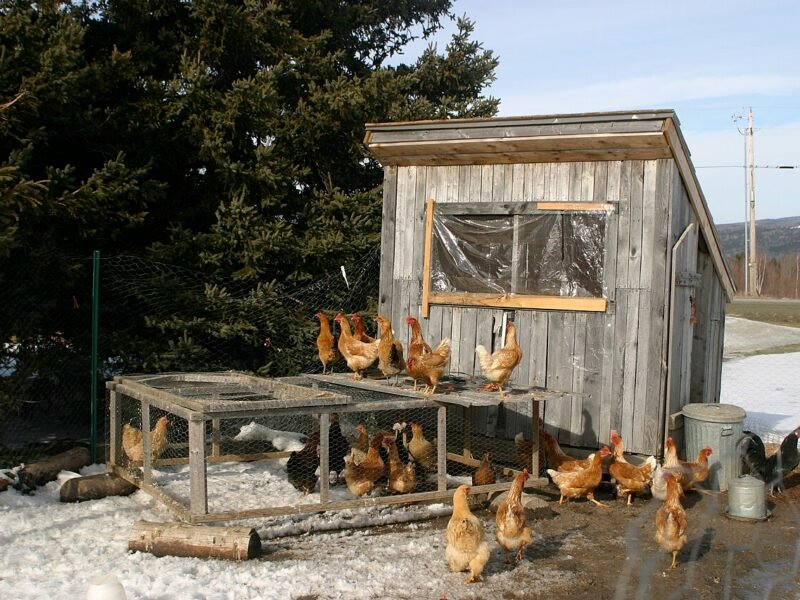
The coop is the whole game. A pallet-wood DIY build can come in under $200 if you’re handy; a pretty pre-built coop from a farm store can blow past a grand. Either way, build bigger than you think you need — “chicken math” (the mysterious force that turns 6 planned hens into 14 actual hens) is real, and expanding later costs more than building big once.
Monthly Costs: The Ongoing Reality
Once the flock is established, monthly costs are refreshingly boring:
- Layer feed: A laying hen eats roughly 1/4 pound of feed per day. Six hens go through about 45 pounds a month — roughly one 50-lb bag at $18–$25 depending on your region and whether you buy conventional or organic.
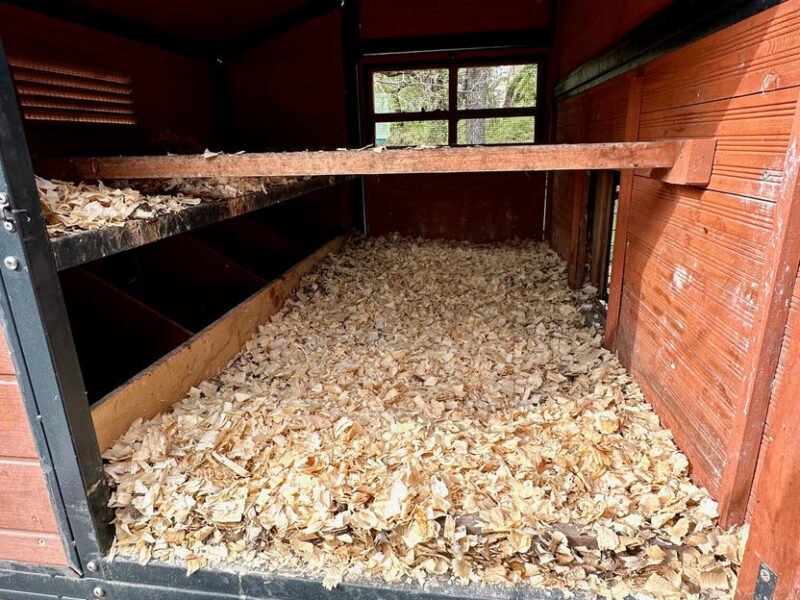
- Bedding: One bag of pine shavings every 4–6 weeks: $6–$8/month averaged out. (Or switch to the https://amesfamilyfarm.com/deep-litter-method-chickens/ and cut this dramatically.)
- Grit & oyster shell: Pennies per day when bought in bulk: ~$2–$3/month.
- Occasional extras: Treats, scratch grains, first-aid supplies: ~$5/month.
Realistic monthly total for 6 hens: $30–$45.
That’s it. Your flock costs less per month than a streaming subscription bundle.
The 5 Hidden Costs Nobody Warns You About
Here’s where beginners get blindsided. Budget for these and you’ll never be caught off guard:
1. Predator-proofing upgrades ($50–$200)
Your first coop build will have a weak spot — everyone does. Then a raccoon finds it at 2 a.m. and you spend a panicked weekend wrapping the entire run in hardware cloth. Budget for the upgrade now, or better yet, build with 1/2-inch hardware cloth from day one instead of chicken wire.
2. The vet-or-cull dilemma ($0–$150)
Chickens get sick. A poultry vet visit can run $75–$150, which feels absurd for a $4 bird — but she’s also your pet and your egg producer. Decide your policy *before* you’re emotional at midnight: treat, cull, or find a vet now and save the number.
3. Winter gear ($40–$100)
Your first winter brings surprise purchases: a heated waterer base, extra bedding, maybe a bale of straw for the run. Our https://amesfamilyfarm.com/winterize-chicken-coop-checklist/ covers exactly what to buy — in October, when it’s cheap, not in January when it’s urgent.
4. Feed price creep
Feed prices have been volatile. A bag that cost $16 in 2021 might be $22 now. Buying in bulk, fermenting feed (see https://amesfamilyfarm.com/fermented-chicken-feed/), and letting birds free-range all trim this. But don’t budget 2021 prices in 2026.
5. The “just one more” tax
Chicken math is a budget line item. You’ll see a rare breed at the feed store. You’ll “rescue” three hens from a friend. Each new bird is cheap — until you need a bigger coop, more feed, and a second waterer. Set a flock cap and tell a friend to hold you to it.
The Payback Math: When Do Chickens Actually Save Money?
Okay, the fun part. Six healthy hens in their prime lay roughly 4–6 eggs per day combined — call it 30 dozen eggs per month in peak season.
- Store-bought conventional eggs: ~$3.50/dozen → $105/month value
- Store-bought pasture-raised eggs (the fair comparison): ~$7/dozen → $210/month value
- Your monthly flock cost: ~$35
Even against cheap grocery eggs, six hens produce about $70/month in net value after feed costs. Against pasture-raised eggs — which is what your backyard eggs actually resemble — it’s closer to $175/month.
Homesteaders who track this stuff report that a well-managed backyard flock saves the household roughly $1,200 per year on eggs alone, once the startup costs are paid off. Most flocks break even on the initial investment somewhere in year one or two, then it’s pure savings (plus better eggs, plus entertainment value, plus garden fertilizer — but who’s counting).
📌 Pin this: The break-even shortcut — buy started pullets instead of day-old chicks (eggs 3 months sooner), build the coop DIY, and ferment your feed. That combo can cut payback time nearly in half.
Common Mistakes That Blow the Budget
- Buying the cheapest coop kit online. Flimsy kits need replacing in two years. A solid DIY build or a quality kit costs more once and lasts a decade.
- Overbuying gadgets. Automatic doors, coop cameras, designer feeders — fun, but none of them are required. Master the basics first; automate later if you still want to.
- Ignoring feed waste. A cheap hanging feeder that spills 20% of its feed on the ground is more expensive than a good treadle feeder. Watch how much ends up under the feeder, not in the birds.
- Not tracking costs. You don’t need a spreadsheet empire — just jot feed and supply purchases in a notes app for three months. Most people are shocked (pleasantly) at how low the real number is.
FAQ: Cost of Raising Backyard Chickens
How much does it cost to raise chickens per month?
For a small flock of 6 hens, expect $30–$45/month for feed, bedding, and basics. The coop and birds are the big one-time costs.
How many chickens do I need to save money on eggs?
Even 4–6 hens produce meaningful savings. Fewer than 4 and the fixed costs (coop, equipment) take longer to pay back. More than 10 and you’re basically running a small egg business — great, but that’s a different budget.
Are backyard eggs really cheaper than store eggs?
After the startup investment is paid off (typically year 1–2), yes — significantly. Your per-dozen cost drops to roughly $1–$1.50 in feed, versus $3.50–$7 at the store.
What’s the cheapest way to start with chickens?
Buy 4–6 started pullets in spring, build a simple DIY coop from reclaimed lumber, and free-range or tractor your birds to cut feed costs. You can get laying within weeks for under $400 total.
Do chickens save money in 2026 with feed prices up?
Yes, because egg prices are up too. The spread between your cost per dozen (~$1–$1.50) and pasture-raised store eggs (~$7) is wider than ever, which actually improves the payback math.
Conclusion
Raising backyard chickens in 2026 costs roughly $375–$775 to start (DIY route, 6 hens) and $30–$45 a month to maintain. The hidden costs — predator-proofing, winter gear, and chicken math — are what surprise people, not the feed bill.
But run the payback math honestly: better-than-organic eggs at a fraction of store prices, a flock that pays for itself within two years, and homesteaders reporting around $1,200 a year in egg savings. That’s not just a hobby — it’s one of the highest-ROI moves in home food production. For more ways your homestead can cut the grocery bill, see https://amesfamilyfarm.com/save-money-on-groceries-homestead/.
Your action step: Price out a DIY coop build this week and call your local feed store for current chick and pullet prices. Real local numbers beat internet averages every time — then run your own payback math.
And if you’re still on the fence, read https://amesfamilyfarm.com/mistakes-new-chicken-owners/ first — it’ll save you from the expensive beginner errors that blow up every one of these budgets. 🐔