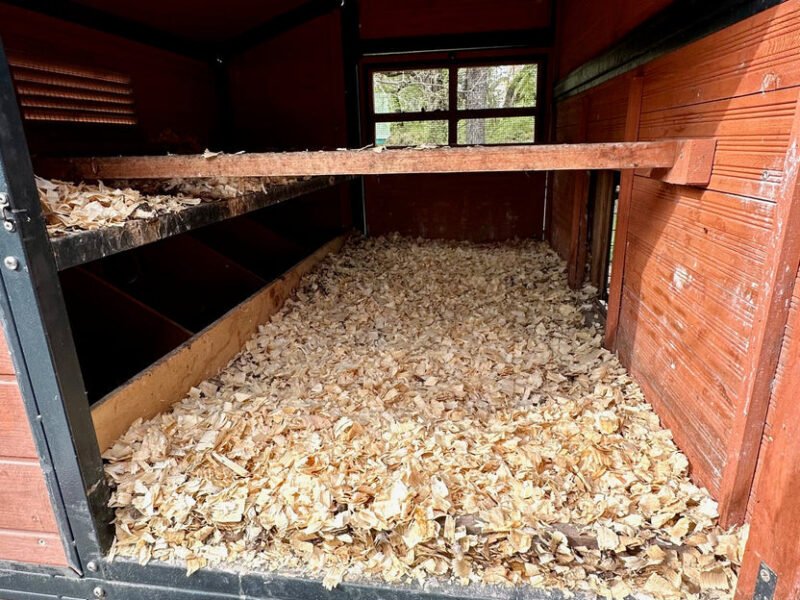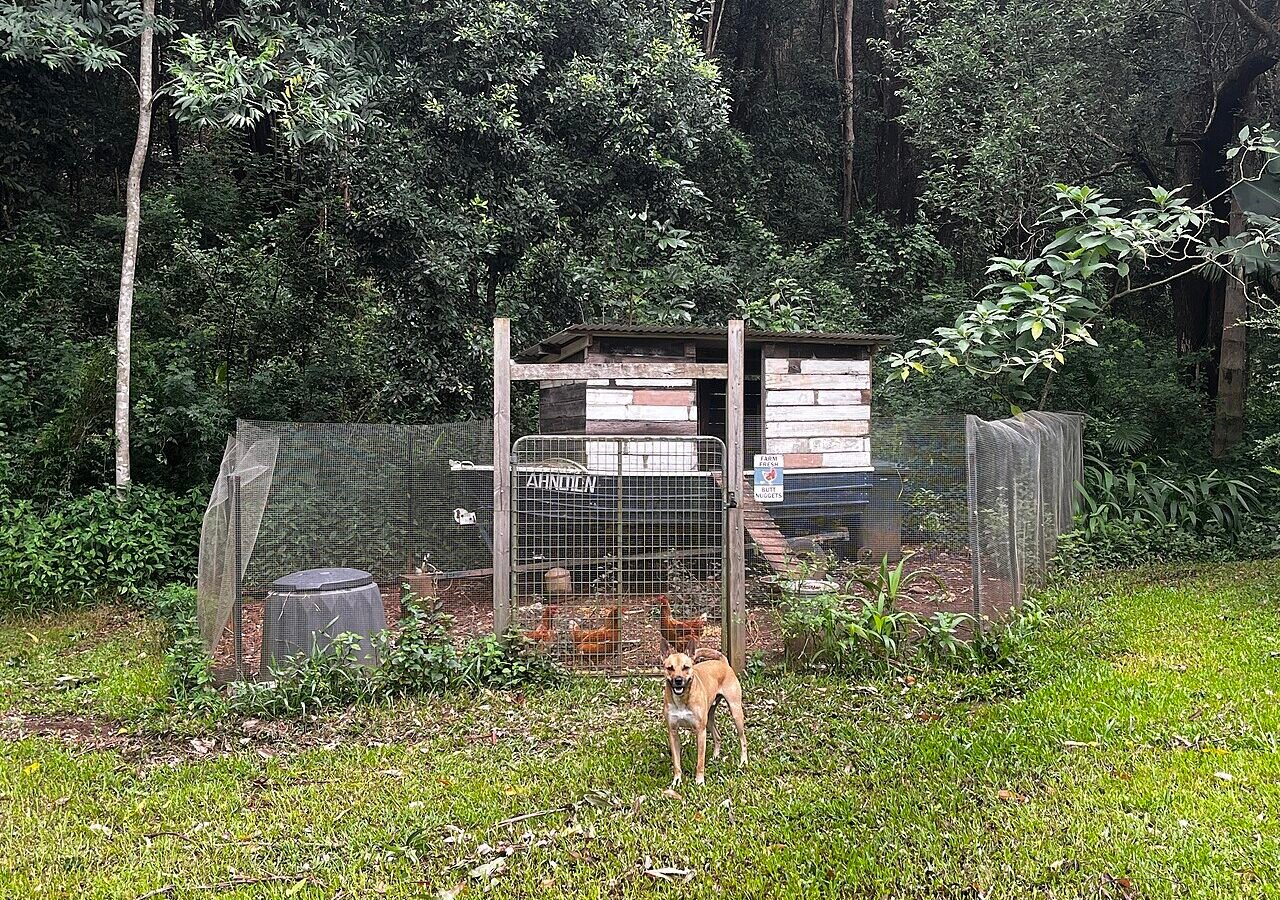
When we brought home our first six chicks, I had exactly one weekend, a pile of scrap lumber, and a husband who kept saying “how hard can a chicken coop be?” Reader, it was harder than he thought. Our first coop leaned. The door stuck. A raccoon treated the latch like a puzzle box.
That disaster taught me something every chicken keeper learns eventually: the coop is the single most important decision you’ll make for your flock. Get it right and your hens are safe, dry, and laying through weather you’d rather not think about. Get it wrong and you’re rebuilding in January with frozen fingers.
So whether you’re starting from scratch or upgrading a coop that’s seen better days, here are ten chicken coop ideas that actually work — organized from cheapest to most ambitious, with the honest pros and cons of each.
Before You Pick: The 4 Rules Every Coop Must Follow
Before we get to the fun designs, let’s agree on the non-negotiables. Every coop idea below only works if it follows these four rules:
- Predator-proof, not just predator-resistant. Hardware cloth (not chicken wire) on every opening, latches raccoons can’t work, and a skirt or buried wire to stop diggers. I learned this the expensive way — how to protect chickens from predators covers the full playbook.
- Ventilation up high, drafts down low. Moisture is the winter killer, not cold. Vents near the roof stay open year-round; gaps at roost level get sealed. Our winterize chicken coop checklist walks through this step by step.
- 4 square feet per bird inside, 10 in the run. Crowded chickens get stressed, and stressed chickens get sick and stop laying. Measure twice.
- Easy for YOU to clean. If you dread cleaning it, you won’t clean it, and a dirty coop is a sick coop. Big doors, removable roosts, and a floor you can scrape.
Keep those four rules taped to your forehead while you browse. Now, the ideas.
1. The Pallet Coop (Free to $50)
Pallets are the homesteader’s favorite building material for a reason: they’re free, they’re everywhere, and a standard pallet is already close to the right dimensions for coop walls. Break down a dozen pallets and you’ve got framing lumber, siding, and most of a floor.
Build a simple 4×8 box on a raised platform, add a slanted roof, cut a pop door, and cover every gap with hardware cloth. The whole thing can go up in a weekend. The catch? Pallet wood is rough and full of nail holes, so it needs a good coat of exterior paint or stain to last more than a couple of seasons — and you have to be ruthless about removing every nail and staple.
Best for: a first flock of 4-6 hens on a near-zero budget.
2. The A-Frame Tractor ($75–$150)
An A-frame chicken tractor is a triangular coop on skids or wheels with no floor — you drag it to fresh grass every few days and the chickens do the fertilizing and bug control for you. It’s the classic permaculture setup, and chickens in tractors are some of the happiest birds you’ll ever see.
The downside is size: most A-frames comfortably hold 3-5 birds, and moving one through mud or snow gets old fast. In our climate, a tractor is a spring-through-fall solution — you’ll want a stationary winter coop too.
Best for: small flocks, big yards, and anyone who wants the lawn fertilized for free.
📌 Pin this: Put wheels on only one end of your tractor. Lift the other end like a wheelbarrow — you’ll move it twice as often because it’s half the work.
3. The Shed Conversion ($100–$300)
Got an old garden shed? Congratulations, you already own a chicken coop. Sheds are honestly one of the best coop ideas out there: they’re weather-tight, tall enough to stand in (your back will thank you), and usually wired for a light already.
The conversion is straightforward: cut a chicken-sized pop door in one wall, add roosts along the back, install nest boxes, cover the windows with hardware cloth, and add high vents under the eaves. The most common mistake is skipping the ventilation — sheds are built to be sealed, and a sealed shed full of chickens becomes a moisture trap.
Best for: anyone with an underused shed and a flock of 8-15 birds.
4. The Hoop Coop ($150–$250)
Cattle panels bent into an arch over a wooden base frame, covered with a tarp or greenhouse plastic — that’s a hoop coop, and it’s the fastest real shelter you can build. Two people can put one up in an afternoon, and the curved shape sheds snow and rain beautifully.
Hoop coops shine as grow-out pens for young birds or as temporary housing, but plenty of folks use them year-round with a plywood end wall, roosts, and a good tarp. Just anchor them well — an unanchored hoop coop in a windstorm becomes an expensive kite.
Best for: meat birds, quarantine pens, or a quick second coop.
5. The Raised Coop with Run Underneath ($200–$400)
This is the classic backyard design for a reason. The coop sits 2-3 feet off the ground on legs, and the space underneath becomes part of the run — shaded in summer, dry-ish in rain, and a favorite dust-bathing spot. Your hens get more usable space in the same footprint, and you get a coop you can clean without crawling.
Elevate the floor and you’ll also dodge the two biggest ground-level problems: rot and rats. Add a droppings board under the roosts and cleaning takes five minutes. If you’re building one coop to last a decade, this is the design I’d build. A dust bath station nearby keeps everyone happy — diy chicken dust bath shows our setup.
Best for: the “buy it once” backyard flock of 6-12 hens.
6. The Walk-In Coop ($400–$800)
A walk-in coop is exactly what it sounds like: tall enough to stand upright inside, usually 6×8 or larger, with a human door, windows, and room to hang feeders out of the weather. It costs more in lumber, but it pays you back every single day in comfort.
Here’s what nobody tells you about small coops: you will eventually need to catch a chicken at midnight, treat a sick bird, or clean in February. Doing any of that hunched over in a 3-foot-tall box is miserable. A walk-in coop turns chores from dreaded to merely routine, which means they actually get done.
Best for: flocks of 12+, cold climates, and anyone planning to keep chickens for years.
📌 Pin this: Put your nest boxes on the outside wall with a hinged lid you open from outdoors. You can collect eggs without walking through the coop — in rain, snow, or pajamas.
7. The Chicken Tractor on Steroids: The Mobile Range Coop ($300–$600)
Take the A-frame tractor concept and scale it up: a wheeled coop on a trailer frame, big enough for 20-30 birds, moved with a lawn tractor or ATV. This is the Joel Salatin–style pastured poultry setup, and it’s how small farms raise genuinely pastured eggs.
This is more infrastructure than most backyard keepers need, but if you have an acre or more, it’s transformative — fresh pasture daily, no manure buildup, no bare dirt run. The trade-off is that you’re committing to moving it regularly. Skip a week and you’ve got a mud pit with wheels.
Best for: acreage owners and aspiring egg sellers.
8. The Coop-and-Garden Combo ($250–$500)
Here’s a clever one: build your run as a series of garden beds with a coop at one end. Rotate the chickens through the beds — they clear weeds, eat pests, and fertilize — then plant behind them. It’s the chicken tractor idea, but permanent and prettier.
This takes planning (fencing each bed, gates between sections), but it’s the highest-yield design on this list if you also garden. The chickens do real work, the garden gets free fertility, and you get to feel extremely smug about the whole system.
Best for: gardener-chicken-keepers who love a system.
9. The Recycled Playhouse Coop ($50–$150)
Wooden playhouses and playsets show up on marketplace listings constantly — outgrown, weathered, and nearly free. A playhouse is already a small weather-tight structure with windows and a door; add roosts, nest boxes, hardware cloth over the windows, and a pop door, and you’ve got a charming coop for 4-6 hens.
Kids’ playhouses are usually built from thinner lumber than you’d choose, so reinforce the floor and give it a solid paint job. But the price is unbeatable, and there’s something deeply satisfying about a coop with window boxes.
Best for: small flocks, tight budgets, and maximum charm per dollar.
10. The Dream Coop: Insulated, Wired, and Plumbed ($1,000+)
Every chicken keeper eventually sketches this on a napkin: an insulated coop with electricity for winter water heaters and lighting, a frost-free hydrant nearby, automatic pop door, droppings boards, and storage for a month of feed. It’s the coop equivalent of a forever home.
You don’t need this to start — honestly, most of us never build it. But if you’re designing your “last coop,” these are the upgrades worth the money, roughly in order: automatic pop door (predator protection when you’re away), electricity (heated waterers end the winter water battle), insulation (only with proper ventilation — remember the rules), and running water nearby.
Best for: the committed lifer with a big flock and bigger plans.
Which One Should You Actually Build?
If you’re overwhelmed, here’s my honest advice: build the raised coop with a run underneath (idea #5) unless you have a specific reason not to. It’s the sweet spot of cost, durability, capacity, and ease of cleaning. Start there, learn what your flock and your climate actually demand, and upgrade later with experience instead of guesses.
And whatever you build, build the run bigger than you think you need. Nobody ever said “I wish my chicken run were smaller.” Chicken math is real — you will get more birds — and a coop with room to grow is a coop you won’t rebuild in two years.
Your turn: which of these fits your backyard? Sketch it this weekend, price the lumber, and remember — the best coop is the predator-proof one you actually finish before the chicks outgrow the brooder.