Every November, the same thing happens in our farmhouse kitchen. I’ll set the turkey in the oven, lay out all my side dishes, and then someone — usually my husband — will ask the question that tells me exactly where our Thanksgiving priorities lie: “Did you make the squash this year?”
He’s not asking about the green bean casserole. He’s not asking about the rolls. He’s asking about the butternut squash, and honestly, I get it. There’s something about that sweet, caramelized orange flesh that tastes like fall itself decided to show up on your plate. After years of growing butternut squash in our garden and cooking it every possible way, I’ve narrowed down the seven dishes that consistently outshine everything else on the table. Each of these has been tested in a real farmhouse kitchen on real, hungry holiday guests — some more than a dozen times. And fair warning: once you bring one of these to the table, it becomes *your* dish. You’ll be asked to make it every single year.
Why Butternut Squash Deserves a Starring Role
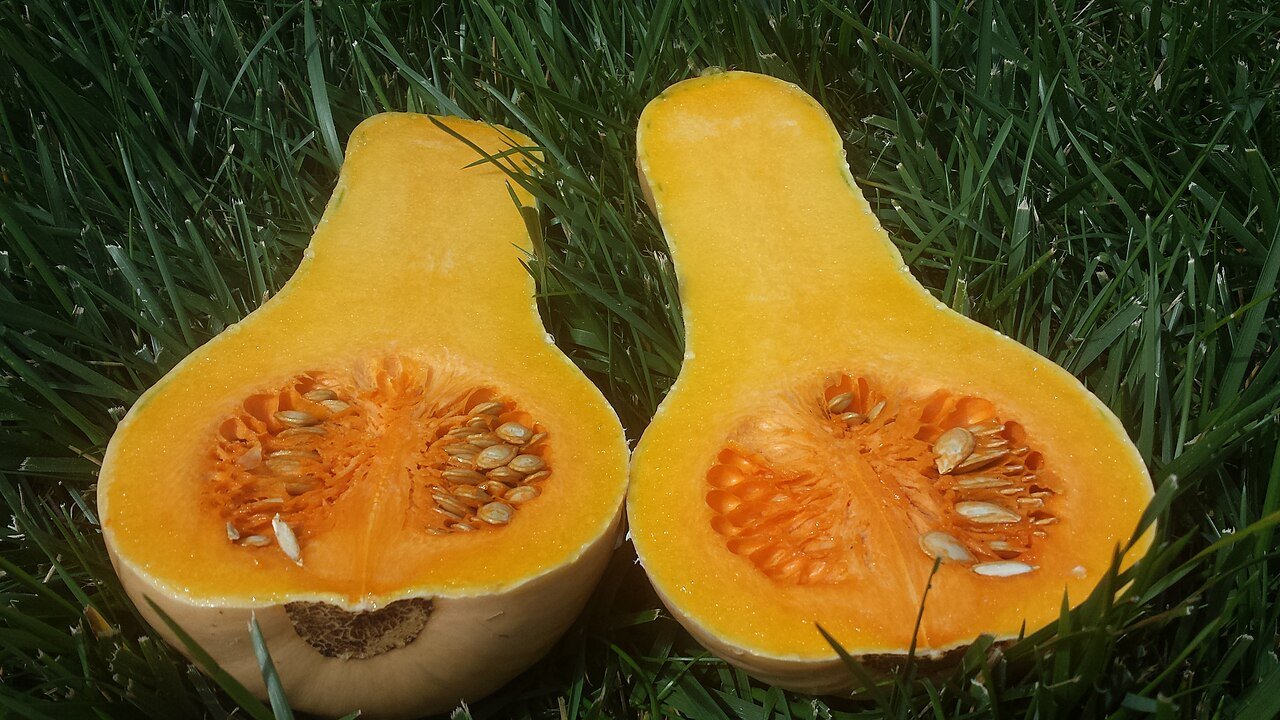
Before we get to the recipes, let’s talk about why this particular squash earns its place. Butternut is the workhorse of the winter squash family. It’s sweet without being cloying, it roasts to a gorgeous caramelized finish, and it plays beautifully with both savory herbs and warm baking spices. Unlike some squash varieties that go watery or stringy, butternut holds its shape when you need cubes and melts into silk when you need puree.
It’s also one of the most reliable crops in our garden. We plant it in June, mostly ignore it, and come October we’re hauling in squash by the wheelbarrow. They cure on the porch for a week or two, then sit in our cool pantry for months — meaning the squash on your Thanksgiving table could have been picked weeks ago and be at peak sweetness. That natural storage is exactly why winter squash became traditional harvest-season food.
📌 Pin this: Buy or pick your butternut squash 2–3 weeks before Thanksgiving and cure it in a warm, dry spot. The sugars develop during curing, so a “rested” squash tastes noticeably sweeter than one cooked the day it was picked.
1. Maple-Thyme Roasted Butternut Squash
This is the foundation — the dish that started it all in our house. It’s simple enough for a weeknight but dressed up enough for the holiday table, and it takes about ten minutes of actual hands-on work.
Peel and cube one large butternut squash into roughly 1-inch pieces. Toss them with olive oil, a generous drizzle of real maple syrup, fresh thyme leaves, salt, and plenty of black pepper. Spread them in a single layer on a sheet pan — this is the critical part, because crowded squash steams instead of caramelizing. Roast at 425°F for 30–35 minutes, flipping once halfway through, until the edges are deeply golden and the corners have those crispy caramelized bits.
The maple syrup does something magical in a hot oven. It concentrates and darkens, creating a lacquered, almost candied exterior while the inside goes creamy. My kids pick the crispy corner pieces straight off the pan, and I’ve learned to make a double batch: one for the table, one for the cook’s “taste testing.”
This is also the base for several of the dishes below, so if you’re making multiple squash recipes, roast a big batch at once and divide it up.
2. Silky Butternut Squash Soup
Every Thanksgiving needs a soup that buys the cook some breathing room, and this one does double duty: it can be made two days ahead, and it makes the house smell like autumn in the best possible way.
Sauté a diced onion and a couple of carrots in butter until soft, then add peeled, cubed butternut squash, a peeled apple (trust me on the apple — it adds a bright sweetness that balances the squash), and enough homemade chicken stock to cover everything. Simmer until the squash is completely tender, about 25 minutes, then blend until silky smooth. A swirl of cream at the end, a pinch of nutmeg, salt to taste, and you’re done.
Serve it in small cups or mugs as guests arrive rather than as a formal first course. It takes the edge off hunger while the turkey finishes, and nobody minds waiting when they have something warm in their hands. The apple trick is something I picked up years ago, and it’s the difference between a good squash soup and one people ask about.
📌 Pin this: This soup freezes beautifully for up to 3 months. Make a double batch in November, freeze half in quart containers, and you’ll have an instant cozy dinner waiting in January.
3. Butternut Squash Gratin
If roasted squash is the workhorse, the gratin is the show pony. Thin slices of butternut layered with cream, garlic, thyme, and a sharp cheese like Gruyère, baked until bubbling and golden — this is the dish that gets photographed before anyone touches it.
The trick is slicing the squash thin and even, about 1/8 inch. Layer the slices in a buttered baking dish, tucking minced garlic and thyme between layers, pouring heavy cream over the top, and finishing with grated Gruyère. Cover with foil for the first 30 minutes at 375°F, then uncover and bake another 20–25 minutes until deeply browned and bubbling at the edges.
Let it rest at least 15 minutes before serving — non-negotiable. The gratin needs that time to set up. I make this one the night before Thanksgiving and reheat it while the turkey rests. It actually tastes better the second day, once the flavors have married.
4. Roasted Butternut Squash and Kale Salad
I know, I know — salad at Thanksgiving? But hear me out. After the third rich, creamy side dish, everyone at the table is quietly craving something fresh and bright. This salad is that dish, and it disappears faster than you’d expect.
Start with a bed of massaged kale (massaging the leaves with a little olive oil and salt for a minute softens them and removes the bitterness). Top with warm roasted butternut cubes from recipe #1, dried cranberries, toasted pecans, crumbled goat cheese, and thinly sliced red onion. Dress it with a simple apple cider vinaigrette — cider vinegar, Dijon mustard, a little honey, and olive oil.
The warm-cold contrast is what makes it special. The heat from the squash slightly wilts the kale and melts the goat cheese into creamy pockets. Make the components ahead and assemble just before serving so the kale stays perky and the nuts stay crunchy.
5. Butternut Squash Pie Filling
Here’s a secret that might get me in trouble with the pumpkin purists: butternut squash makes a *better* pie than pumpkin. It’s naturally sweeter, smoother, and less watery, and most of the “pumpkin” pie filling sold in cans is actually made from butternut-type squash varieties anyway.
Roast a whole butternut squash, halved and seeded, cut-side down at 400°F until completely soft — about 45–60 minutes. Scoop out the flesh and puree it until perfectly smooth. For one 9-inch pie, whisk 2 cups of that puree with 3/4 cup brown sugar, 2 eggs, a cup of evaporated milk or cream, cinnamon, ginger, nutmeg, cloves, and a pinch of salt. Pour into your favorite pie crust and bake at 425°F for 15 minutes, then 350°F for 40–45 minutes until just set with a slight wobble in the center.
If you’re already in a canning mood this fall, the spiced-fruit techniques in our canning apple pie filling recipe use the same flavor instincts — warm spices, the right sugar balance, fillings that taste like the season. The squash pie filling itself should be baked fresh rather than canned, since plain squash puree isn’t safe for water-bath canning, but the pie? Pure Thanksgiving magic.
6. Butternut-Studded Cornbread Stuffing
Stuffing is sacred territory at Thanksgiving, and I’m not suggesting you replace your family’s recipe. I’m suggesting you *upgrade* it with roasted butternut cubes folded through.
Make your usual cornbread stuffing — dried cornbread cubes, sautéed onion and celery, sage, thyme, and enough broth to moisten. Then fold in 2 cups of the maple-roasted squash from recipe #1, plus a handful of dried cranberries and toasted pecans if you’re feeling fancy. The squash adds pockets of sweetness that play against the savory herbs, and the orange cubes studded through the golden stuffing look absolutely gorgeous in the serving bowl.
Bake it covered at 350°F for 30 minutes, then uncovered for 15 more to crisp the top. The contrast between the crispy top and the soft, squash-studded interior is what makes people go back for seconds. My mother-in-law, who guards her stuffing recipe like a state secret, now adds the squash every year.
7. Butternut Mac and Cheese
This is the one the kids fight over, and honestly the adults aren’t far behind. Butternut puree stirred into the cheese sauce adds sweetness, gorgeous color, and — the part I love — it lets you cut back on some of the cheese without anyone noticing, because the squash adds body and creaminess.
Roast and puree a butternut squash until smooth. Make your favorite mac and cheese sauce — butter, flour, milk, and a good sharp cheddar — then whisk in about 2 cups of squash puree before adding the cooked pasta. The sauce turns a stunning golden-orange, and the flavor is still unmistakably mac and cheese, just rounder, with a little sweetness that makes the sharp cheddar pop.
Top with buttered breadcrumbs and bake until golden, or just serve it straight from the pot if the oven is full of turkey (it will be). I started making this when my kids were small to sneak more vegetables into their diets. They’re teenagers now, they know exactly what’s in it, and they still request it every Thanksgiving.
For edible gifting season right after Thanksgiving, squash-based treats also make wonderful presents — the jarred-good ideas in our food gifts in jars christmas collection pair perfectly with a loaf of butternut bread or a jar of spiced squash butter.
Quick Tips for Butternut Success
A few things I’ve learned across many Novembers that apply to every recipe above:
- Picking the squash: Choose ones that feel heavy for their size with matte, unblemished skin. A butternut with a long, thick neck gives you more usable flesh and fewer seeds to deal with.
- Peeling hack: Microwave the whole squash for 2–3 minutes before peeling. It softens the skin just enough to make peeling dramatically easier, and it doesn’t cook the flesh.
- Don’t throw away the seeds: Rinse, toss with oil and salt, and roast at 300°F for 15–20 minutes. They’re a fantastic cook’s snack and salad topper.
- Make-ahead strategy: Roast and puree your squash up to 3 days before Thanksgiving and refrigerate it. Almost every recipe above starts from roasted cubes or puree, so one prep session sets up your whole holiday.
The Quick Recap
Seven dishes, one humble squash. Start with the maple-thyme roasted cubes as your foundation, branch into the silky soup for a make-ahead starter, go big with the gratin when you want to impress, freshen things up with the kale salad, convert the skeptics with butternut pie, upgrade your stuffing, and win over the kids with butternut mac and cheese. And if your fall baking ambitions extend past the squash patch, our fall pumpkin baking recipes roundup keeps the harvest-season momentum going.
The beautiful thing about cooking with butternut squash at Thanksgiving is that it connects your table to the season in the most literal way. This is harvest food — the crop that stores through winter, the vegetable that sweetens as the weather cools. When you serve it, you’re serving the story of the season itself.
Now I’d love to hear from you: which of these are you trying first? And if butternut squash already stars at your Thanksgiving table, tell me your version — I’m always hunting for dish number eight.