Every fall, the same worry hits every new chicken keeper: *it’s getting cold out there — do my chickens need a heat lamp?*
You’ll see it all over social media: coops glowing orange under heat lamps in November, well-meaning owners terrified their hens will freeze overnight. Pet stores happily sell you the lamp, the bulb, the clamp, the extension cord.
Here’s the honest answer that most experienced keepers will give you: no, your chickens almost certainly do not need supplemental heat. Chickens are far tougher in cold weather than most beginners realize — and adding heat to your coop introduces real dangers, including one that can burn your entire coop (and your house) to the ground.
Let’s unpack the myth, the risks, and what your flock genuinely needs to sail through winter comfortably.
Chickens Are Built for Cold — You’re Built for Worry
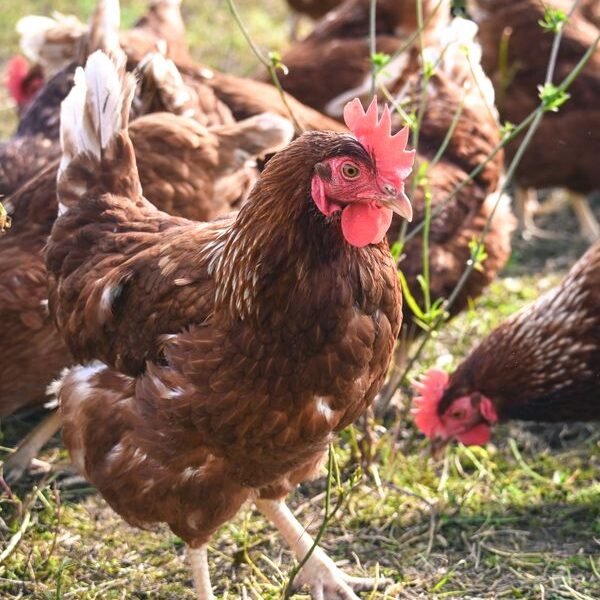
A healthy, fully feathered chicken is essentially wearing a premium down parka 24/7. Here’s the biology:
- Feathers are incredible insulation. When it’s cold, chickens fluff their feathers, trapping a layer of warm air against their bodies. This “puffed-up” look on a frosty morning isn’t sickness — it’s their heating system working exactly as designed.
- They huddle. Chickens roost shoulder-to-shoulder at night, sharing body heat like a feathery radiator array.
- Their metabolism is a furnace. A laying hen’s body temperature runs around 105–107°F. Digestion — especially of cracked corn or scratch grains before bed — generates significant internal heat.
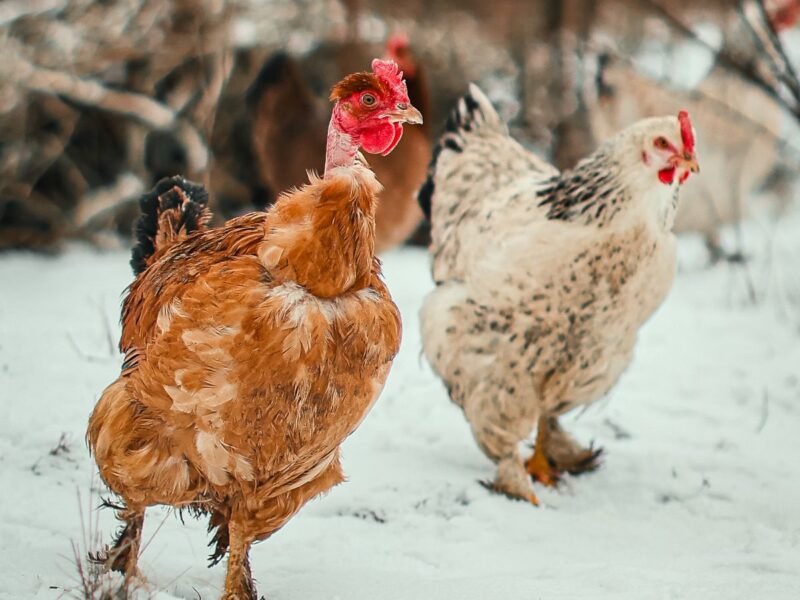
- Cold-hardy breeds laugh at single digits. Many common breeds (Buff Orpingtons, Rhode Island Reds, Plymouth Rocks) handle temperatures well below freezing with zero assistance.
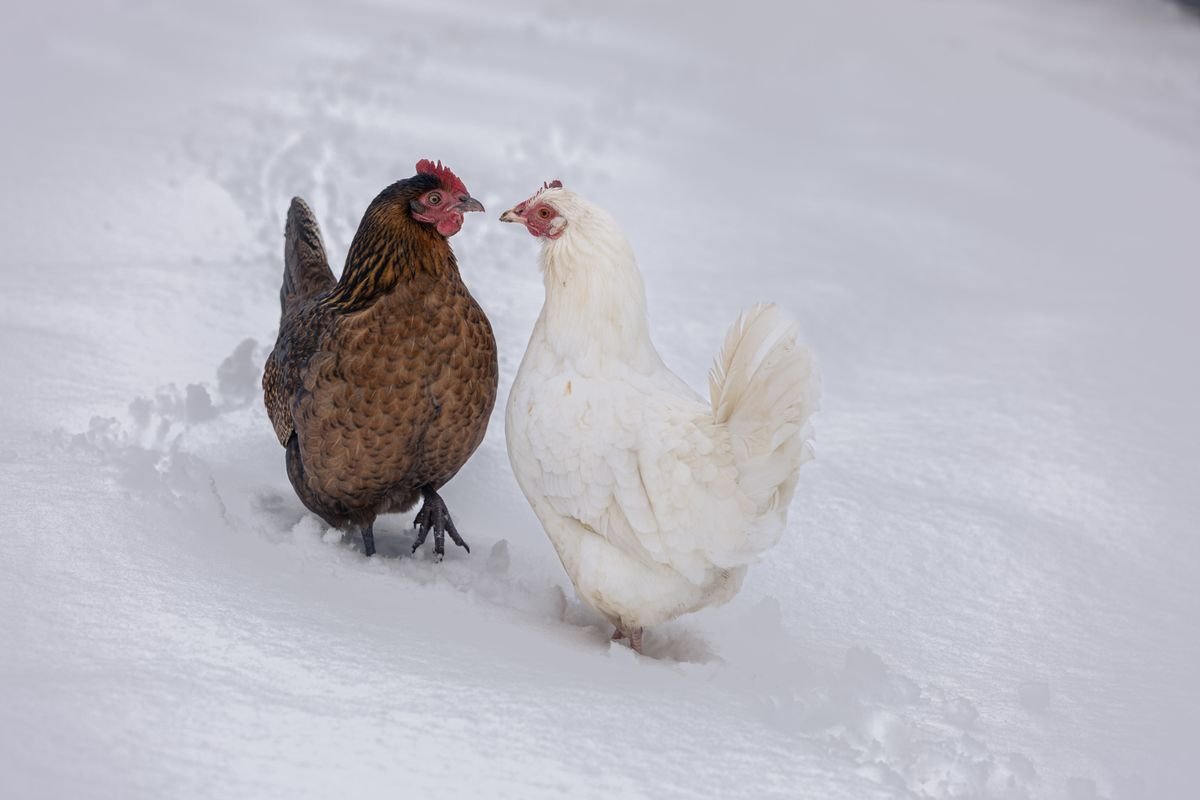
Wild birds survive brutal winters across the northern US with no shelter at all. Your backyard hens — dry, draft-free, well-fed, and sheltered in a coop — are living in luxury by comparison.
The Heat Lamp Fire Risk Is Real (And Terrifying)
This is the part that matters most. Heat lamps are the number-one cause of coop fires, and coop fires kill entire flocks in minutes.
- A 250-watt heat lamp bulb runs at roughly 400–500°F on its surface. That’s hot enough to ignite straw, wood shavings, dust, feathers, and cobwebs on contact.
- Clamp-style lamps fall. Cords get chewed. Chickens fly into things. A single bumped lamp landing in dry bedding can ignite a coop in under five minutes.
- Winter is peak risk season: dry bedding, cold dry air, and a lamp running 24/7 for months.
Every year, chicken-keeping forums fill up with heartbreaking stories of flocks lost to heat-lamp fires. Fire departments regularly report structure fires that started in backyard coops. It’s simply not a risk worth taking for animals that don’t need the heat in the first place.
The power-outage trap
There’s a second, subtler danger: dependency. If you heat your coop all winter and the power goes out during a cold snap (which is when power outages happen), your hens face a sudden temperature drop they’re not acclimated to. Unheated chickens gradually adapt as temperatures fall; heated chickens get no such conditioning. An outage can shock a heat-dependent flock far worse than the cold itself.
What Chickens ACTUALLY Need in Winter
Instead of heat, give your flock these three things. They matter far more:
1. Ventilation (yes, really — even in winter)
This is the single most misunderstood part of winter chicken keeping. A coop needs constant airflow — open vents high up near the roof, well above roosting height.
Why? Chickens breathe out warm, moist air all night. In a sealed-up coop, that moisture condenses on cold surfaces — including your hens’ combs and wattles — and causes frostbite. Moisture is the real winter enemy, not cold air. Ventilation carries humidity out while the hens stay warm below in still air.
Rule of thumb: no drafts at roost level, but always vents open up top. If your coop’s interior walls are dripping or frosty in the morning, you don’t need heat — you need more ventilation.
2. Dry, deep bedding
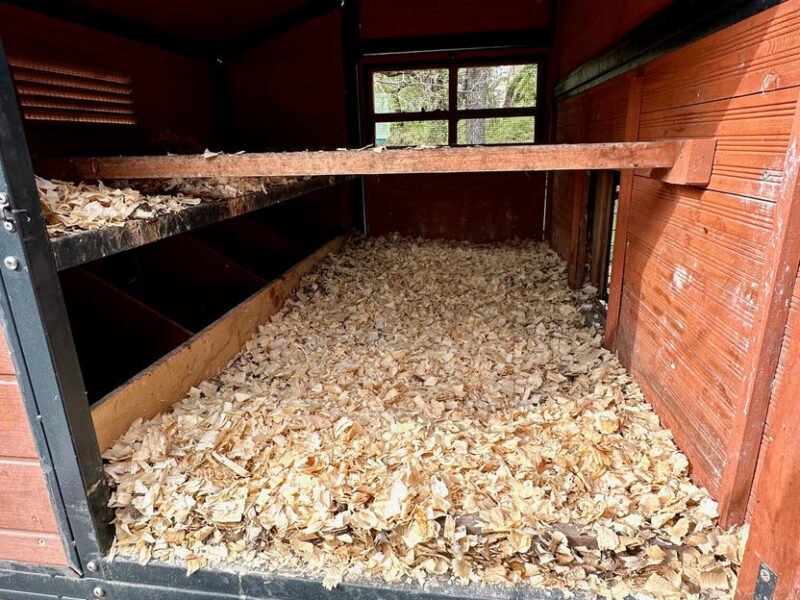
Wet bedding chills chickens fast and breeds disease. Keep bedding dry with the deep-litter method or frequent top-ups of pine shavings or straw. Dry bedding insulates the coop floor and gives hens a warm surface to stand on. Check our guide to https://amesfamilyfarm.com/deep-litter-method-chickens/ for a winter bedding system that practically manages itself.
3. Unfrozen water
This is the one winter chore you truly can’t skip. Chickens drink a surprising amount of water even in winter, and dehydration will drop egg production faster than any cold snap. Swap frozen waterers twice daily, use a heated waterer base (far safer than a heat lamp — the heating element is enclosed and thermostatically controlled), or bring waterers inside overnight.
Also critical: adequate feed. Digesting food is how hens generate body heat. Offer a little extra scratch grain or cracked corn in the late afternoon — it acts like a slow-burning furnace through the night.
When Heat MIGHT Be Justified (The Rare Exceptions)
To be fair, there are a few edge cases where some supplemental warmth makes sense:
- Sick or injured birds recovering in isolation — a gentle heat source in a small, draft-free recovery cage is reasonable veterinary care.
- Chicks under 6 weeks that haven’t feathered out yet — but they should be in a brooder with a proper heat plate, never a dangling heat lamp.
- Extreme, prolonged cold below -20°F with breeds not suited to it (more on breed selection in https://amesfamilyfarm.com/cold-hardy-chicken-breeds/) — even then, most keepers opt for a flat-panel radiant heater designed for coops rather than a bulb.
Notice what all of these have in common: they’re special situations, not standard winter practice for a healthy adult flock.
Common Mistakes New Owners Make in Winter
1. Sealing the coop airtight. The instinct to “keep the warmth in” traps moisture and causes frostbite. Ventilate high, block drafts low.
2. Hanging a heat lamp. Fire risk, dependency risk, and your hens didn’t need it anyway.
3. Forgetting the water. Frozen waterers are the most common winter flock problem — check them twice daily.
4. Skipping the extra feed. Cold hens burn more calories. A small evening serving of scratch grains fuels their overnight furnace.
5. Choosing the wrong breeds. If you live in Minnesota and buy Leghorns (a Mediterranean breed), you’re fighting nature. Match breeds to your climate — see our roundup of https://amesfamilyfarm.com/cold-hardy-chicken-breeds/.
FAQ: Winter Heat for Chickens
Will my chickens freeze to death without heat?
Healthy, fully feathered adult chickens of cold-hardy breeds handle temperatures down to 0°F and below without supplemental heat, provided they’re dry and out of the wind. Moisture and drafts kill — cold alone rarely does.
What temperature is too cold for chickens?
There’s no single number, but most keepers don’t intervene until sustained temperatures drop below -10°F to -20°F, and even then the fix is wind protection and extra bedding, not a heat lamp. Watch your birds: huddling and puffed feathers are normal; lethargy, pale combs, or reluctance to move warrant attention.
Are heated perches or panel heaters safe?
Flat-panel radiant coop heaters are much safer than heat lamps — no glowing 500°F bulb, no clamp to slip. They’re the best option if you decide you truly need supplemental warmth. Still, most experienced keepers in all but the harshest climates skip them.
Do chickens lay fewer eggs in winter because of cold?
Winter laying drops mainly because of shorter daylight hours, not temperature. Hens need about 14 hours of light to lay consistently. A simple timer on a low-wattage coop light (for light, not heat) is the standard fix — covered in our winter egg guide.
Should I insulate my coop?
Insulation is optional and often unnecessary. A well-built wooden coop with good ventilation outperforms an insulated-but-stuffy one. If you insulate, cover it completely — chickens will peck at and eat exposed foam insulation.
Conclusion: Trust the Feathers
Your chickens are tougher than your anxiety gives them credit for. Skip the heat lamp, open those upper vents, keep the bedding dry and the water liquid, and toss some scratch grains before roosting time. That’s the whole winter formula — and it’s what generations of cold-climate keepers have done successfully.
Your winter action plan: run through our full https://amesfamilyfarm.com/winterize-chicken-coop-checklist/ before the first hard freeze, and if you want steady eggs through the dark months, read https://amesfamilyfarm.com/keep-chickens-laying-eggs-winter/. Your flock will do just fine — probably better than you will on those icy mornings.