The first time someone handed me a jar of hot pepper jelly, I thought it was a prank. Sweet jelly… made of peppers? Then I spread it over a block of cream cheese, took one bite, and understood everything. Sweet, tangy, with a slow-building warmth at the back — it is the single most requested thing I make, and it takes less than an hour from start to sealed jars.
If you are already comfortable with water bath canning for beginners, this is your next project. If you have never canned anything, this is honestly one of the easiest recipes to start with: high-acid peppers plus vinegar means a simple water-bath process, and pectin does all the setting work for you. One batch makes about six half-pints, which sounds like a lot until you realize how fast they disappear as gifts.
Why Hot Pepper Jelly Belongs in Your Pantry
Pepper jelly sits in that magic category of preserves that works as an appetizer, a glaze, and a gift all at once. Over cream cheese with crackers it is a party in fifteen seconds. Brushed over grilled chicken or pork in the last few minutes of cooking, it caramelizes into something restaurant-worthy. Stirred into a vinaigrette, it wakes up a boring salad.
And from a homesteading perspective, it is the perfect answer to the late-summer pepper avalanche. Every year our jalapeños and cayennes outproduce everything else in the garden, and there is only so much salsa one family can eat. A batch of pepper jelly turns a problem (too many peppers) into an asset (jars of gold for the pantry shelf and the Christmas gift list).
📌 Pin this: Hot pepper jelly over cream cheese is the fastest impressive appetizer on earth — keep one jar in the fridge at all times during the holidays.
Choosing Your Peppers: Heat Is a Dial, Not a Switch
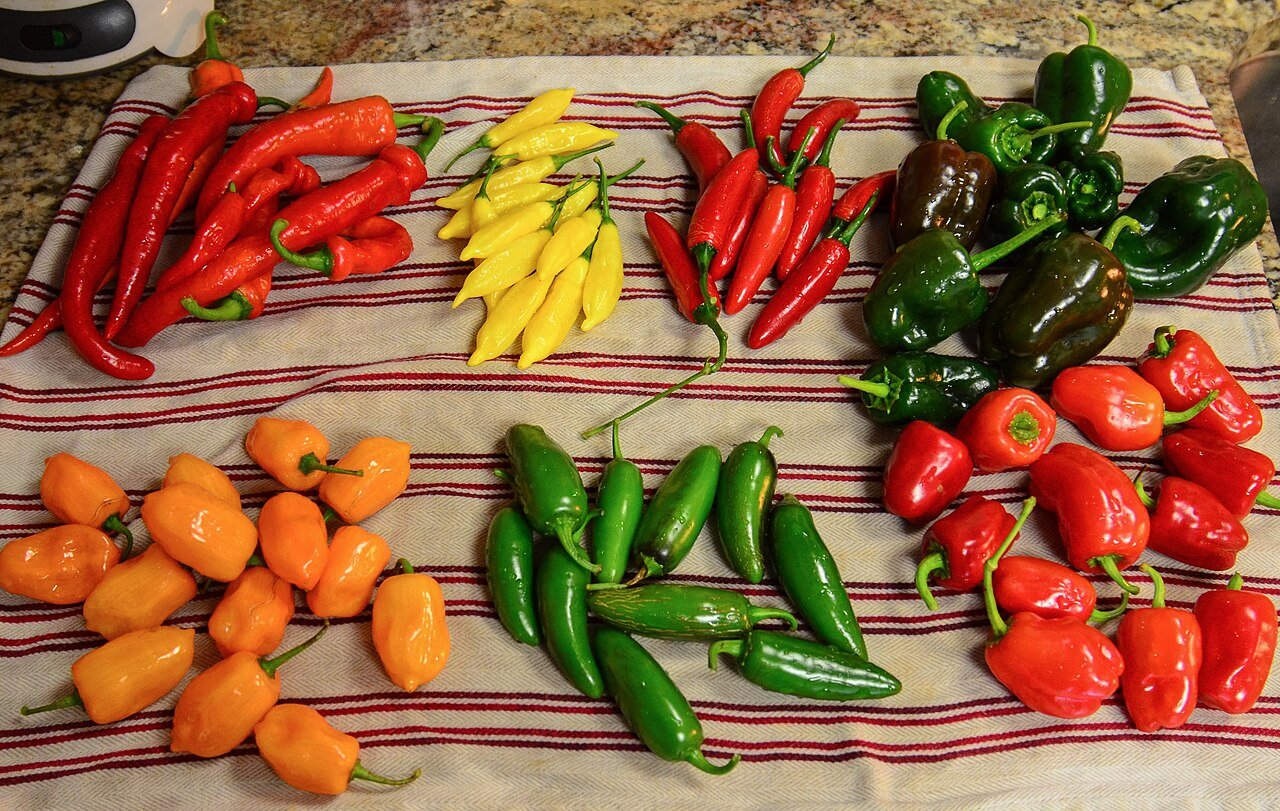
The beauty of this recipe is that you control the heat completely by choosing your peppers. The total volume of peppers stays the same; only the varieties change. Here is how I think about the dial:
- Mild and crowd-friendly: mostly red bell peppers with 2–3 jalapeños for a gentle tingle. This is the version I give to neighbors and take to potlucks.
- Medium, my house favorite: a mix of jalapeños and serranos with one bell pepper for body. Noticeable warmth, still sweet.
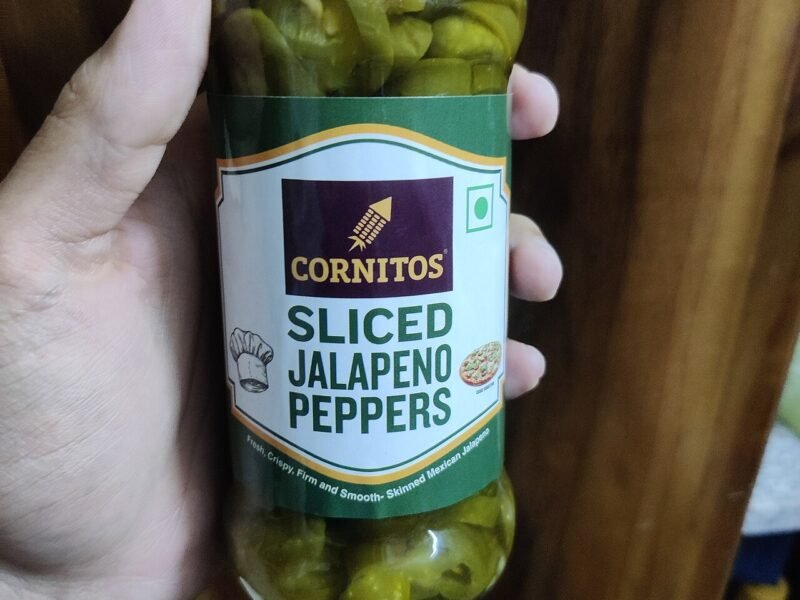
- Hot: habaneros or cayennes in the mix. A little goes a long way — start with just 2–3 habaneros per batch and taste the pepper mixture before you commit.
Whatever you choose, wear gloves when you chop. I say this as someone who learned the hard way — capsaicin under your fingernails will remind you of itself at 2 a.m. Also keep your face away from the pot when the vinegar mixture comes to a boil; the steam is spicy in a way you do not want to experience firsthand.
The Recipe: Hot Pepper Jelly (6 Half-Pints)
This follows the standard tested proportions used in classic canning guides — I am not improvising ratios here, because with canning, the acid and sugar levels are what make the recipe shelf-safe. Follow the measurements as written.
You will need:
- 3/4 cup finely chopped hot peppers (your choice from the dial above)
- 3/4 cup finely chopped sweet bell peppers (red looks prettiest)
- 1 1/2 cups apple cider vinegar (5% acidity)
- 6 1/2 cups granulated sugar
- 1 pouch (3 oz) liquid pectin
- 6 sterilized half-pint jars with lids and bands
Equipment: a large heavy pot, a water-bath canner (or any deep pot with a rack), jar lifter, funnel, and ladle. If you are new to the gear, my water bath canning for beginners walkthrough covers the whole setup step by step.
Step 1: Prep Your Peppers
Finely chop all the peppers — and I mean finely. Big chunks will float to the top of the jelly and look odd, and small pieces distribute the heat evenly. A food processor makes this a ten-second job: pulse, don’t puree. You want confetti, not soup.
Combine the chopped peppers and the vinegar in your large pot. The mixture will look alarmingly liquidy. That is normal — the sugar is about to change everything.
Step 2: Boil, Then Sugar
Bring the pepper-vinegar mixture to a full rolling boil over high heat, stirring occasionally. Once it is boiling hard, stir in all the sugar at once. Yes, all of it — 6 1/2 cups feels like a mountain, but trust the process.
Return the mixture to a full rolling boil that you cannot stir down, and boil hard for exactly 1 minute, stirring constantly. This is where the magic happens: the sugar, acid, and pectin-to-come form the gel structure. Set a timer — guessing at “about a minute” is how people get syrup instead of jelly.
Step 3: Add the Pectin and Skim
Remove the pot from the heat and immediately stir in the liquid pectin. Stir well for a full minute, skimming off any foam that rises. The foam is harmless but cloudy — skim it for that jewel-clear finish that makes people think you bought it at a fancy market.
Let the jelly sit for 5 minutes, stirring occasionally. This brief rest helps the pepper bits stay suspended instead of floating to the top of every jar.
Step 4: Jar It Up
Ladle the hot jelly into your sterilized half-pint jars, leaving 1/4-inch headspace. Wipe the rims clean with a damp cloth — any sugary residue on the rim can break the seal. Center the lids and screw the bands on fingertip-tight (snug, not Herculean).
Step 5: Process in the Water Bath
Lower the jars into your boiling water-bath canner, making sure they are covered by at least 1–2 inches of water. Bring back to a full boil and process for the time your tested recipe specifies — 10 minutes is standard for half-pints at low altitude, adding time for higher elevations per standard canning charts.
Turn off the heat, wait 5 minutes, then lift the jars out and set them on a towel. Leave them completely alone for 12–24 hours. You will hear the satisfying *ping* of seals forming — music to a canner’s ears. After 24 hours, check every seal (the lid should not flex when pressed), label, and store in a cool, dark place.
📌 Pin this: Processed and sealed properly, pepper jelly keeps a full year on the pantry shelf. Refrigerate after opening.
Troubleshooting: When Jelly Doesn’t Set
It happens to everyone eventually. If your jelly is still runny after 48 hours, do not panic and do not throw it out — you have made pepper syrup, which is delicious over ice cream and in cocktails. But if you want jelly, you can recook it: for each batch, combine the jelly with 1/4 cup sugar and 1 tablespoon lemon juice, bring to a hard boil for 1 minute, and re-jar with new lids, processing again for the full time.
The most common causes of a failed set: not reaching a true rolling boil before adding the pectin, reducing the sugar (sugar is structural here, not just sweetener — do not cut it), or doubling the batch (pectin chemistry does not scale; make two separate batches instead).
Five Ways to Use It (Beyond Cream Cheese)
Once you have jars on the shelf, you will find uses everywhere:
- The classic: poured over cream cheese with crackers. Unbeatable.
- Glaze: brush over pork tenderloin, chicken wings, or salmon in the last 10 minutes of cooking.
- Sandwich upgrade: a thin layer inside a grilled cheese or turkey sandwich.
- Vinaigrette: whisk a spoonful with olive oil, vinegar, and Dijon.
- Gift jars: tie a ribbon around the lid and tuck it into a food gifts in jars christmas basket — it is always the first jar to disappear.
Speaking of gifts, pepper jelly is the anchor of my holiday food-gift strategy. It looks gorgeous (that ruby-red glow), it costs pennies per jar if the peppers come from your garden, and people genuinely remember who gave it to them. If you want the full playbook for jarred gifts, my Christmas guide has the whole system.
A Note on Peppers and Canning Safety
Because this recipe uses a tested ratio of vinegar to peppers and processes in a boiling-water bath, it is a high-acid preserve — the safe category for water-bath canning. Do not freelance the vinegar quantity downward or add low-acid vegetables like onions or garlic beyond tested proportions; the acidity is what keeps the recipe safe. If you want to experiment with flavors, do it with the pepper varieties, not the acid ratios. For the broader principles behind what makes a canning recipe safe to water-bath, the same rules I cover in my how to can tomatoes article apply here: acid is the boss.
Your Turn
Make one batch this weekend while peppers are still coming in strong. Six half-pints, under an hour, and you will have the pantry stocked and the gift list half finished. Once you have the method down, try a second batch with a different pepper mix — a smoky chipotle version and a bright habanero-mango twist are both on my list for this season. Sweet heat, sealed in glass, ready whenever you are.