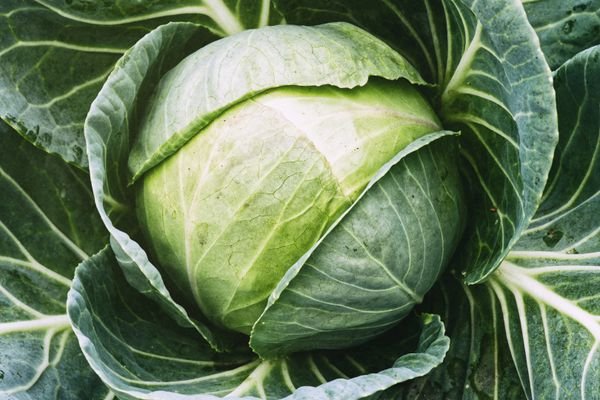
Cabbage is having a moment. Named in Pinterest Predicts 2026 as a breakout food trend, the humble head of cabbage has gone from sad side dish to main-character energy — and honestly, it’s about time.
Think about it: one cabbage costs about a dollar, weighs three pounds, keeps for weeks in the fridge, and transforms into dumplings, kraut, soup, steaks, slaw, and kimchi. No other vegetable delivers this much dinner per dollar. For homesteaders watching the grocery bill (https://amesfamilyfarm.com/save-money-on-groceries-homestead/), cabbage is the undisputed MVP of the produce aisle.
Here are 12 farm-to-table cabbage recipes that prove it — from weeknight-fast to weekend-project.
Quick Weeknight Wins (Under 30 Minutes)
1. Crispy Roasted Cabbage Steaks
Slice a head into 1-inch rounds, brush generously with olive oil, season with salt, pepper, garlic powder, and smoked paprika. Roast at 425°F for 25–30 minutes, flipping once, until the edges char and caramelize. The outer leaves get lacy-crisp like a chip; the center stays sweet and tender. Finish with parmesan.
2. Egg Roll in a Bowl
All the flavor of an egg roll, none of the rolling. Brown a pound of ground pork or turkey, add a bag of shredded cabbage and carrots, splash in soy sauce, sesame oil, ginger, and garlic. Ten minutes later: dinner. Top with sriracha and green onions.
3. Southern Fried Cabbage with Bacon
Render 4 strips of bacon in a big skillet, sauté a chopped onion in the drippings, then add a shredded head of cabbage. Cover and cook 12–15 minutes until silky. Crumble the bacon back over the top. This is the dish that converts cabbage skeptics.
4. Cabbage and White Bean Soup
Sauté onion, carrot, and celery; add shredded cabbage, a can of white beans, vegetable broth, and Italian seasoning. Simmer 20 minutes. Rustic, filling, and practically free — the kind of soup that tastes like someone loves you.
Ferments & Preserves (Weekend Projects)
5. Classic Sauerkraut (2 Ingredients)
Shredded cabbage + salt. That’s it. Massage 2 tablespoons of pickling salt per pound of cabbage until it releases its juice, pack it tight into a jar, weight it down so it’s submerged, and wait 1–3 weeks. Tangy, crunchy, probiotic-packed — and about 90% cheaper than store-bought kraut. If you’re new to preserving, start with https://amesfamilyfarm.com/water-bath-canning-for-beginners/ for the canning basics, then graduate to ferments.
6. Quick Kimchi
Napa cabbage quartered, salted for a few hours, rinsed, then slathered with a paste of Korean chili flakes (gochugaru), garlic, ginger, fish sauce, and a little sugar. Pack into jars and ferment 2–5 days at room temperature. Funky, fiery, addictive — and it keeps for months in the fridge.
7. Curtido (Salvadoran Cabbage Slaw)
Shredded cabbage, carrot, and onion tossed with oregano, red pepper flakes, and enough white vinegar to pickle lightly. Ready in a few hours, incredible on pupusas, tacos, and grilled anything. The bright, crunchy condiment your fridge has been missing.
Comfort Food Classics
8. Golumpki Soup (Stuffed Cabbage Soup)
All the flavor of Polish stuffed cabbage rolls, none of the rolling. Brown ground beef and pork with onion, add chopped cabbage, diced tomatoes, beef broth, rice, and a pinch of allspice. Simmer 30 minutes. Tastes like it cooked all day.
9. Haluski (Cabbage and Noodles)
The ultimate Central European comfort food: buttery egg noodles tossed with sweet caramelized cabbage and onion. Some families add bacon; purists insist on just butter, salt, and plenty of black pepper. Five ingredients, infinite comfort.
10. Cabbage Roll Casserole
Deconstructed stuffed cabbage: layers of shredded cabbage, seasoned ground meat, rice, and tomato sauce, baked until bubbly. Weeknight-easy, feeds a crowd, reheats like a dream.
Showstoppers
11. Pan-Fried Cabbage Dumplings (Gyoza-Style)
Finely chopped cabbage, ground pork, ginger, garlic, scallions, and soy sauce wrapped in round dumpling wrappers. Pan-fry until golden on the bottom, steam with a splash of water, crisp again. Make a double batch — they vanish. (Freeze extras on a tray before bagging; cook from frozen.)
12. Whole Roasted Cabbage with Miso Butter
The dinner-party trick: a whole head, cored and stuffed with miso butter, wrapped in foil, roasted low and slow (375°F, about 90 minutes) until completely tender and sweet. Unwrap, slice into wedges like a cake, and watch guests lose their minds over *cabbage*.
Cabbage Buying & Storage Tips
- Pick heavy heads. A cabbage should feel heavy for its size with tight, crisp leaves. Light heads are old and dried out.
- Green vs. red vs. Napa vs. Savoy: Green is the all-rounder. Red holds color in slaws and pickles beautifully. Napa is tender and made for kimchi. Savoy’s crinkly leaves are the prettiest for stuffed rolls.
- Storage: A whole head keeps 3–6 weeks in the crisper drawer — longer than almost any other fresh vegetable. Once cut, wrap tightly; use within a week.
- Don’t fear the smell. The sulfurous smell of overcooked cabbage comes from boiling it to death. Quick sautés, roasts, and raw preparations smell like nothing at all.
Why Cabbage Wins for Homesteaders
- Cheapest vegetable per pound, almost everywhere, year-round.
- Stores for weeks without any preservation effort — nature’s own root cellar crop.
- Grows in cool weather, thriving in the shoulder seasons when summer crops quit. Sow it with your https://amesfamilyfarm.com/winter-sowing-milk-jug-method/ jugs for the earliest possible harvest.
- Endlessly versatile: raw, fermented, roasted, braised, stuffed, souped. One head, a dozen dinners.
Common Mistakes
Boiling it into submission. The #1 cabbage crime. Cabbage wants high heat and short cooking (roast, sear, stir-fry) or long gentle braising — never a sad 20-minute boil.
Skipping the salt rest for slaw. Salt shredded cabbage 15–20 minutes before dressing raw slaw; it draws out water so your dressing doesn’t turn soupy.
Using the core. The dense core is bitter and tough. Cut it out in a wedge for every recipe except whole-roasted.
Fermenting without submersion. Kraut and kimchi must stay under their brine. Floating bits mold. Use a weight, a cabbage leaf “cap,” or a zip-top bag of brine.
FAQ
Is cabbage actually healthy?
Very. One cup has about 22 calories, a day’s worth of vitamin K, solid vitamin C, fiber, and compounds (glucosinolates) linked to anti-inflammatory benefits. Fermented cabbage adds live probiotics on top.
Can I freeze cabbage?
Yes, with a blanch first: shred or wedge, blanch 90 seconds, ice bath, drain, freeze flat in bags. Frozen cabbage is perfect for soups and cooked dishes (not for raw slaw).
What’s the difference between sauerkraut and kimchi?
Sauerkraut is German/Eastern European: cabbage + salt, lactic-acid fermented, tangy and mild. Kimchi is Korean: usually napa cabbage with chili, garlic, ginger, and fish sauce, bolder and spicier. Both are probiotic powerhouses.
How do I stop cabbage from making my kitchen smell?
Cook it hot and fast (roasting, stir-frying) or eat it raw/fermented. The notorious smell only appears with prolonged boiling. A splash of vinegar in cooking water helps too.
Can I grow enough cabbage to matter?
Absolutely — cabbage is one of the highest-yield cool-season crops. A 4×8-foot bed can produce 20–30 heads. It also stores for months, so one fall planting feeds you all winter.
Get Crushing
Grab a head of cabbage this week — green, red, or napa, whatever looks good — and try the roasted steaks or the egg roll bowl. Then, when you’re ready for a weekend project, shred a second head for kraut. Your gut, your wallet, and your Pinterest board will all thank you.
Pin this: save the full 12-recipe roundup to your farm-to-table board for the next time a $1 cabbage catches your eye.
2 comments