The first time I made a Christmas charcuterie board, I was sure I would mess it up. I had seen the beautiful boards all over the internet, the ones that look like a food magazine styled them, and I was convinced they required some kind of special talent. Then I tried it, and I discovered the happy secret of charcuterie boards: they are almost impossible to get wrong, and they make you look like a much fancier host than you actually are.
A Christmas charcuterie board is just a generous arrangement of cheeses, cured meats, crackers, fruit, and nuts on a board or a tray, dressed up with a few holiday touches. There is no cooking, no exact recipe, and no wrong answer. You buy good ingredients, you arrange them with a little care, and your guests gather around it like it is the best thing on the table. Because it usually is.
In this guide, I will share the Christmas charcuterie board ideas that work best in our house, from choosing cheeses to shaping a board like a Christmas tree, plus budget tips and the food-safety rules that keep a grazing table safe.
What Makes a Board Feel Like Christmas
A regular cheese board becomes a Christmas board with a few simple choices. The first is color. Christmas boards lean on red, green, and white: red grapes and cranberries, green rosemary sprigs and grapes, white cheeses and crackers. Those colors do most of the festive work for you, and they happen to be the colors of the ingredients themselves.
The second is shape. You can arrange the ingredients in the shape of a Christmas tree, a wreath, or a candy cane, and guests love it. A tree shape is the easiest: start with a row of ingredients at the bottom and narrow each row as you go up, finishing with a star-shaped piece of cheese or a single star cookie at the top.
The third is scent. Fresh rosemary sprigs tucked between the cheeses look like little pine branches and smell wonderful. Cinnamon sticks tied with a bit of twine make a pretty garnish, and a few star anise scattered around the board look like tiny ornaments. None of these are meant to be eaten in large amounts, but they make the whole board smell like the holidays.
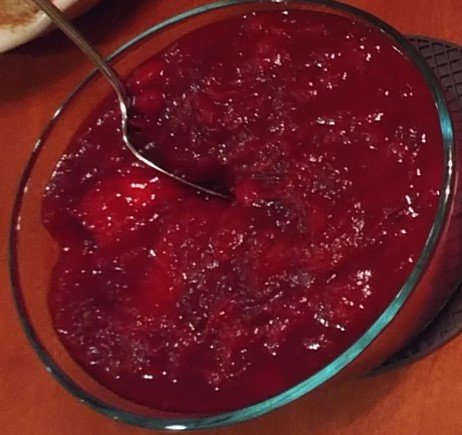
The last touch is a little sweetness. A small jar of honey, a dish of cranberry sauce, or a few chocolate truffles tucked among the cheeses turns a snack board into a holiday board. Sweet and salty together is what keeps people reaching back for one more bite.
Choosing Your Cheeses
Cheese is the heart of the board, and variety matters more than quantity. I aim for three to five cheeses with different textures and flavors, so every guest finds something they love.
Start with a soft cheese, like a good brie or a creamy goat cheese. Brie is the crowd-pleaser, mild and buttery, and a small wheel with a drizzle of honey on top is always the first thing to disappear. A goat cheese log rolled in chopped cranberries and pistachios looks festive and tastes wonderful with crackers.
Add a semi-hard cheese, like an aged cheddar, a gouda, or a manchego. These slice neatly, they hold their shape on the board, and they appeal to guests who find soft cheeses too rich. A smoked gouda is a lovely choice for Christmas, because its golden color and gentle smokiness fit the season.
Add a hard cheese for crumbling and nibbling, like parmesan or an aged pecorino. A chunk of parmesan with a little honey drizzled over it is simple and elegant, and the salty crystals in an aged cheese are a delight.
If your guests enjoy bold flavors, add a blue cheese or a sharp aged cheddar as the fourth cheese. A little goes a long way, so a small wedge is plenty. And if you have children at the table, add a mild cheese they will recognize, like a sliced mozzarella or a few cubes of mild cheddar, so they feel included instead of overwhelmed.
📌 Pin this: Offer three to five cheeses in different textures: one soft, one semi-hard, one hard, and one bold. Variety matters more than quantity, and a small wedge of each beats a mountain of one cheese.
Meats, Crackers, and the Filling
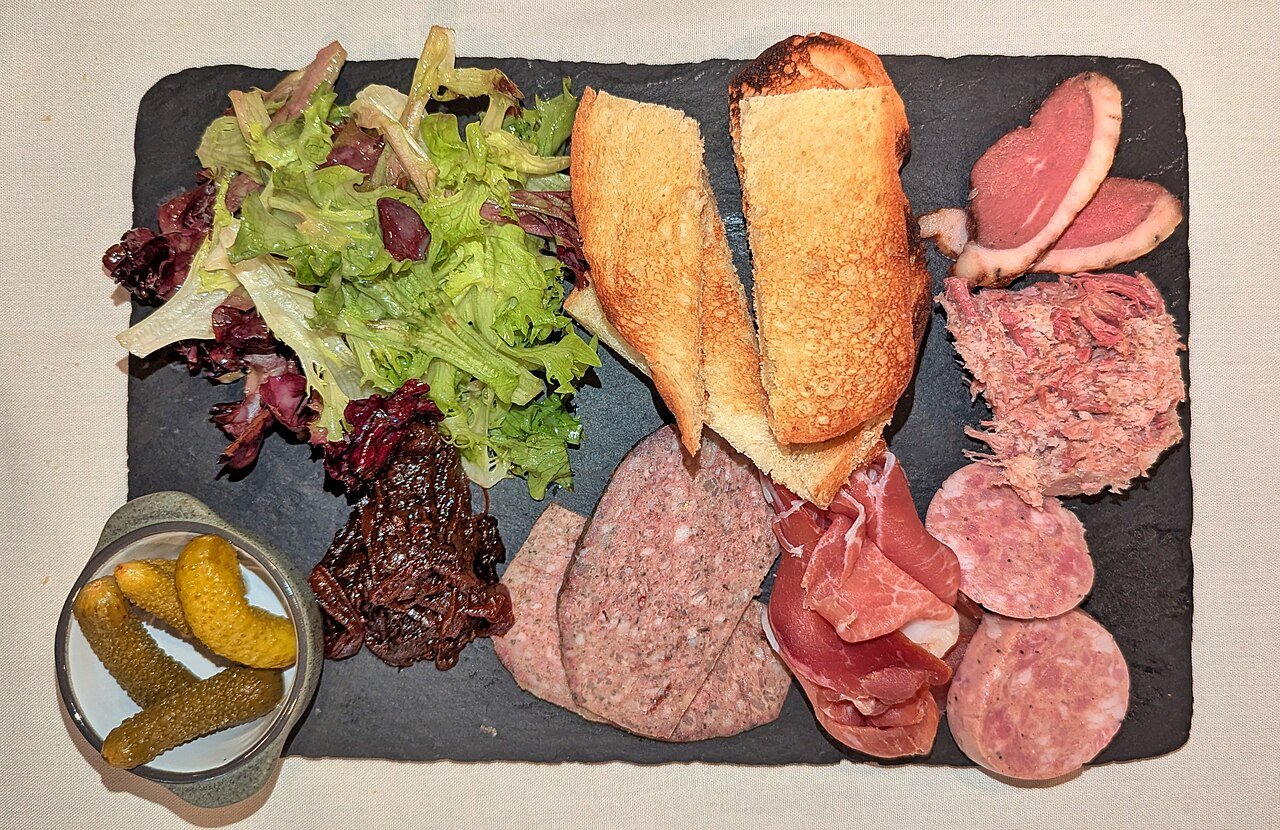
Cured meats give the board its savory backbone. Sliced salami, prosciutto, and pepperoni are the classics, and a little variety goes a long way. Fold salami slices into quarters and tuck them into rows, drape prosciutto in loose ribbons, and roll pepperoni into small cups. The shapes matter almost as much as the flavor, because they fill the board with texture.
If you want a more farmhouse feel, add a few slices of summer sausage or a small dish of country pâté. These are hearty and familiar, and they pair beautifully with mustard and pickles. A little cured meat goes a long way when it is arranged well, so do not feel you need to buy a lot.
Crackers and bread are the vehicles for everything else, so offer two or three kinds: a plain water cracker, a seeded cracker, and a sliced baguette or a few breadsticks. Keep the crackers at the edges of the board so guests can reach them easily, and set out a small stack of extras nearby so you can refill the board without rebuilding it.
Then come the fillers, which are the ingredients that turn a cheese plate into a feast. Nuts are essential: marcona almonds, candied pecans, and pistachios are all wonderful, and they fill the little gaps between the larger items. Dried fruit like apricots, figs, and cranberries adds sweetness and color. Fresh fruit like grapes, apple slices, and pomegranate seeds brings brightness and a burst of juice that cleanses the palate between bites.
A few small dishes of extras make the board feel complete: whole-grain mustard, a little pot of honey, cornichons or pickles, and a dish of olives. These are the condiments that let guests build their own perfect bite, and they cost very little.
Festive Board Shapes and Layouts
You do not need a special board to make a Christmas charcuterie board, but the shape of your arrangement can make it memorable. Here are the layouts I use most.
The Christmas Tree Board: Arrange the ingredients in a triangle on a rectangular board, with the widest row at the bottom and each row narrower than the one below. Use rosemary sprigs as the garland, draped across the rows in gentle curves, and dot the tree with red grapes and pomegranate seeds as ornaments. A star-shaped piece of cheese or a star cookie goes on top. This is my favorite layout for a family party, because children love helping place the ornaments.
The Wreath Board: Arrange the ingredients in a ring on a round board or a large platter, leaving the center empty for a small bowl of dip or a candle in a jar. Tuck rosemary sprigs around the ring like evergreen branches, and add red cranberries throughout. This layout works beautifully as a centerpiece, and it photographs wonderfully.
The Classic Full Board: Fill a large wooden board edge to edge with no empty space at all. Start by placing the cheeses first, spaced apart, then add the meats in folded rows, then fill every gap with crackers, fruit, and nuts. Finish with a drizzle of honey and a scattering of rosemary. This is the easiest layout and the most forgiving, because abundance hides any mistakes.
Whichever layout you choose, follow one simple rule: place the big items first, then the medium items, then fill the gaps with the small ones. Work from the outside in, or from the bottom up, and step back every few minutes to check the balance of colors. A good board has no empty wood showing and no single color dominating one side.
Christmas Charcuterie on a Budget
A charcuterie board can be expensive if you buy everything at a specialty cheese shop, but it does not have to be. Most of the board can come from an ordinary grocery store, and a few smart choices keep the cost down without anyone noticing.
Buy one or two good cheeses and fill the rest of the board with affordable ones. A wedge of brie, a block of sharp cheddar, and a log of goat cheese cost very little and cover three textures. Store-brand salami and pepperoni work just as well as the fancy kind once they are sliced and folded, and summer sausage is a budget-friendly favorite that looks generous on the board.
Use seasonal fruit to fill space cheaply. A bunch of grapes, a few apples sliced thin, and a bag of fresh cranberries cost a few dollars and fill a surprising amount of board. A bag of mixed nuts from the baking aisle is cheaper than the same nuts in the snack aisle, and dried cranberries are inexpensive and festive.
Make the board itself from what you have. A large cutting board, a baking sheet lined with parchment paper, or even a clean wooden tray all work beautifully. You do not need a special serving board, and your guests will never know the difference. For more ideas about stretching holiday food dollars, our save money on groceries homestead guide has plenty of practical tips that work all season long.
How Much to Buy and How to Serve It
The most common question I get about charcuterie boards is how much food to buy. For an appetizer board at a party, plan on about two to three ounces of cheese per person and two ounces of cured meat per person, plus crackers, fruit, and nuts to fill the board. For a board that is the main event, like a light supper or a grazing dinner, double those amounts.
Take the cheeses out of the fridge about thirty minutes before serving. Cold cheese is muted and firm, and thirty minutes at room temperature lets the flavors open up. Keep the board itself cold until serving time if your kitchen is warm, because soft cheeses will slump in a hot room.
Set out small plates, napkins, and a few cheese knives or spreaders, and put a small spoon in each dish of mustard or honey. Guests should be able to serve themselves without fumbling, and the board should be easy to reach from more than one side. If you are setting it on a table, place it where people can gather around it, because a charcuterie board is a social food and half the fun is standing beside it, talking and nibbling.
Food safety matters with a grazing board. Meat and cheese should not sit at room temperature for more than two hours, so if your party runs long, put half the board out first and refresh it with a second batch later. Keep the board away from heat sources and direct sunlight, and cover any leftovers and refrigerate them promptly.
Sweet Boards and Dessert Boards
Not every Christmas board has to be savory. A dessert charcuterie board is a wonderful way to end a party, and children love it even more than the savory version. Fill a board with cookies, chocolate truffles, peppermint bark, dried fruit, and nuts, plus a small bowl of chocolate sauce or caramel for dipping. Add a few fresh strawberries and some candy canes, and you have a dessert that looks like a gift.
A sweet and savory board mixes the two, with cheeses and meats on one side and cookies, chocolate, and fruit on the other. This is my choice for a long evening party, because guests can graze through the whole night without ever needing a formal dessert course.
For a sweet board, our food gifts in jars christmas guide has cookie and treat recipes that work beautifully as board fillers, and our easy homemade afternoon snacks collection has plenty of simple bites that can fill the gaps between the cheeses and the sweets.
📌 Pin this: Put half the board out first and refresh it later. Meat and cheese should not sit at room temperature for more than two hours, and a fresh second batch looks better than a picked-over board.
A Quick Recap
A Christmas charcuterie board is simple at heart: three to five cheeses in different textures, a few cured meats folded into shapes, crackers and bread, fruit and nuts to fill the gaps, and a few festive touches like rosemary sprigs and cranberries. Arrange the big items first, fill the gaps with the small ones, and let the red, green, and white colors do the festive work.
Your turn: what would you put on your board first? Start with the cheeses you love, add the meats and crackers you already buy, and build your board around them. For the bread to serve alongside, our no knead farmhouse bread is the loaf I bake for every holiday board, and it is the first thing to disappear.