There is a particular smell that tells me the week is going to be all right, and it is a chicken roasting in the oven on a Sunday afternoon. The house warms up, the kitchen windows fog a little, and by the time the bird comes out of the oven, golden and crackling, everybody has drifted toward the table without being called. A good roast chicken is the hardest-working meal in our farmhouse: one bird, one pan, and dinner tonight plus the makings of two or three more meals after that.
I did not grow up roasting chickens with any confidence. My first few birds came out either pale and flabby-skinned or dry as a fence post, and I assumed roasting was a skill other people had. It took me a few seasons of trying, and a few honest mistakes, to learn that a juicy roast chicken is mostly about three things: a hot oven, a dry bird, and leaving it alone while it cooks. Everything else is seasoning and patience.
In this guide, I will walk you through the roasted chicken recipes our family actually makes, the method that keeps the meat juicy and the skin crisp, and the variations that keep one bird from getting boring. Whether you raise your own birds or buy them at the store, these are the recipes that earn their place on the table.
The One Method That Never Fails Us
Before the recipes, here is the base method underneath all of them. Learn this once and every variation below is just a change of seasoning.
Start with a whole chicken, three and a half to four and a half pounds. Take it out of the refrigerator about forty-five minutes before cooking so it is not ice-cold going into the oven. Pat it very dry with paper towels, inside and out. This is the step that makes the skin crisp, and it is the step most people skip. Wet skin steams. Dry skin roasts.
Rub the bird all over with a tablespoon or two of softened butter or olive oil, then season generously with salt and black pepper. Stuff the cavity with a halved lemon, a few cloves of garlic, and a handful of herbs if you have them. Tie the legs together with kitchen twine and tuck the wing tips under the body so nothing burns.
Roast in a hot oven, 425 degrees, in a roasting pan or a cast-iron skillet. A four-pound bird needs about an hour and fifteen minutes. The chicken is done when the juices run clear and a thermometer in the thickest part of the thigh reads 165 degrees. Let it rest for fifteen minutes before carving. That rest is not optional. It is the difference between juicy meat and a puddle of juices on the cutting board.
📌 Pin this: Pat the chicken completely dry before it goes in the oven. Dry skin is the whole secret to crisp, golden skin — no fancy technique required.
1. Classic Herb Roasted Chicken
This is the one I make most often, and it is the recipe to learn first. The seasoning is simple: softened butter mixed with minced garlic, chopped rosemary, thyme, and sage, rubbed under the skin as well as over it. Getting some of that butter under the skin seasons the breast meat directly and helps it stay moist.
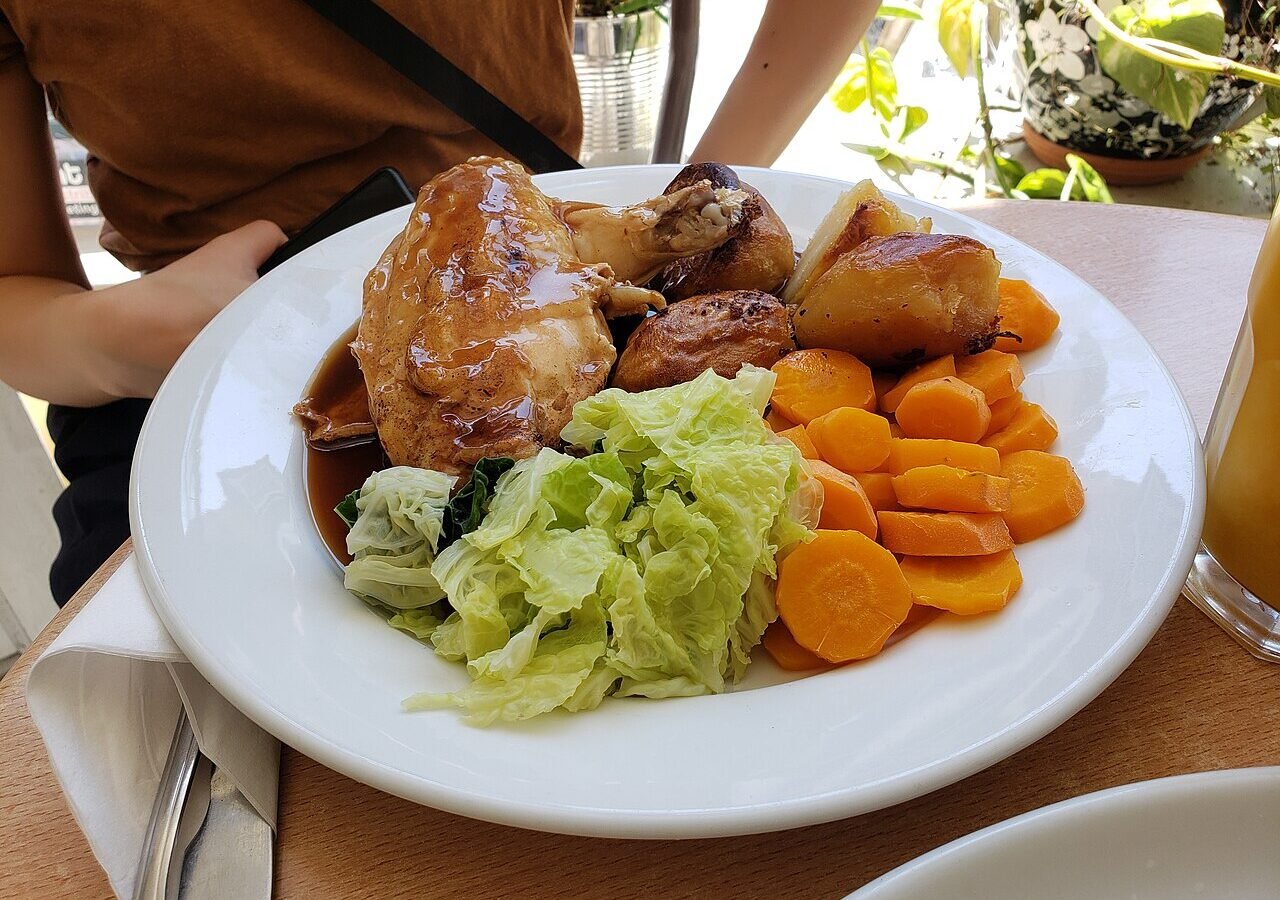
Scatter a bed of sliced onions, carrots, and potatoes in the pan underneath the bird. They roast in the drippings and come out tasting like they were cooked by someone far fancier than me. Serve the chicken carved at the table with the vegetables spooned around it. There is nothing to improve here, and I have stopped trying.
2. Lemon and Garlic Roast Chicken
When I want something brighter, I reach for the lemon version. The bird gets stuffed with two halved lemons and a whole head of garlic cut in half crosswise, and the skin gets rubbed with olive oil, lemon zest, salt, and pepper. The lemons inside steam gently as the chicken roasts, perfuming the meat from the inside out.
Squeeze the roasted lemons from the cavity over the carved meat before serving. The juice is mellow and sweet after roasting, nothing like raw lemon, and it wakes up the whole plate. This is the version I make when we have company, because it looks and tastes like a special occasion without any extra work.
3. Cast-Iron Skillet Roast Chicken
On nights when I do not want to wash a roasting pan, the cast-iron skillet does the job beautifully. Heat the skillet in the oven while it preheats, then set the seasoned bird right into the hot iron. The skin on the bottom starts crisping the minute it touches the pan.
This method is my favorite for a smaller bird, around three and a half pounds, because the whole thing fits comfortably in a twelve-inch skillet. The drippings collect in the pan and make a quick gravy while the chicken rests: a spoonful of flour stirred into the drippings, a splash of chicken stock, and five minutes of whisking. Nothing goes to waste.
4. Sunday Roast Chicken With Root Vegetables
This is the full Sunday dinner version, the one that makes the house smell like a holiday. The chicken is seasoned simply with salt, pepper, and thyme, and the pan is loaded with chunks of potato, parsnip, carrot, and onion, all tossed in a little oil and salt.
The trick is cutting the vegetables in large pieces so they do not burn during the long roast. They need about the same time as the bird, and they soak up the drippings as they cook. Put the vegetables in the pan first, set the chicken on top, and let the fat baste them for you. It is a whole meal in one pan, and the only dish to wash is the pan itself.
5. Spatchcock Roast Chicken
If you have never spatchcocked a chicken, it sounds far more complicated than it is. You cut out the backbone with kitchen shears, flip the bird over, and press it flat. That is the whole technique, and it takes about two minutes.
A flattened chicken cooks faster and more evenly than a whole one, which means juicier breast meat and no more waiting for the thighs to catch up. A spatchcocked four-pound bird is usually done in forty-five to fifty minutes at 425 degrees. It is my go-to when dinner needs to be on the table sooner, and the flat shape gives you more crisp skin per serving, which nobody in this house complains about.
6. Slow Sunday Herb Butter Chicken
Some Sundays I want the roast to take its time. For this version, I rub the bird with a generous amount of herb butter, set it in the roasting pan, and cook it low and slow: 325 degrees for about two hours, then a final blast at 450 for fifteen minutes to crisp the skin.
The slow roast is forgiving in a way the hot method is not. If dinner runs late, the chicken just stays warm and happy. The meat falls off the bone, and the pan juices are so good that I save every drop for gravy or for cooking rice. This is the version for the days when the oven is already on and nobody is in a hurry.
7. Garlic and Paprika Roasted Chicken
This is the boldest flavored of the bunch, and the one my family asks for when the weather turns cold. The rub is smoked paprika, garlic powder, onion powder, a pinch of cayenne, salt, and pepper, mixed with olive oil into a paste and rubbed all over the bird. The paprika gives the skin a deep reddish-gold color that looks as good as it tastes.
Roast it the standard way, hot oven, about an hour and fifteen minutes, and serve it with crusty bread to mop up the paprika-stained drippings. If you make a double batch of the rub, it keeps in a jar for weeks and works just as well on chicken thighs, which is how I use it most weeknights.
What To Do With the Leftovers
A roast chicken is only half the meal. The leftovers are the other half, and a little planning turns one bird into three dinners. The carcass goes straight into a pot for stock — our homemade chicken stock guide walks through the whole process, and a pot of stock from a roast carcass is the cheapest luxury in the kitchen.
Shredded leftover meat goes into sandwiches, soups, and quick skillet suppers. If you want more ideas for the slow-cooker end of the week, our crockpot chicken recipes fall roundup has plenty of places to put leftover chicken to work. Around here, the carcass rarely makes it past Monday, and that is exactly how it should be.
📌 Pin this: Save the carcass every single time. A roast chicken carcass plus water and an hour on the stove is free stock, and it is the base for half the soups in this kitchen.
Mistakes I Made So You Do Not Have To
I have made every roast chicken mistake there is, so here they are, plainly. Do not skip the resting time; a bird carved straight from the oven loses its juices on the board. Do not roast a cold chicken; it cooks unevenly and the skin never quite crisps. Do not crowd the pan with too many vegetables, or they will steam instead of roast. And do not trust time alone — a thermometer in the thigh is the only sure way to know the bird is done.
The other mistake is under-seasoning. A whole chicken is a lot of meat, and it needs more salt than you think. Season generously, inside and out, and taste the drippings before you decide the gravy needs nothing. Salt is not the enemy of a good roast chicken. Blandness is.
A Quick Recap
Roasted chicken recipes do not need to be complicated to be wonderful. Start with a dry bird, a hot oven, and a generous hand with the salt, and the rest is just choosing your favorite seasoning. Learn the base method, try the herb butter and lemon versions first, and save the carcass for stock every single time.
Your turn: which version are you trying first? I am always collecting new rubs and methods, and the best ones in this kitchen have come from readers who swore by one small change. Roast the bird, rest it well, and enjoy the kind of supper that brings everybody to the table on their own.